
Headaches and Migraines (Including Neck-Related Headaches)
Headaches can be disabling, especially when they are frequent. Some headaches are linked to the neck, muscles, or the nerves at the back of the head, and these can occur alongside migraine. Treating these sources may reduce how often headaches happen and how severe they are.
Reviewed by Samuel Rosenberg, DO, FAAPMR
- Headaches can be disabling, especially when they are frequent.
- Common symptoms: pain at the base of the skull or back of the head; throbbing pain on one or both sides; pain that worsens with neck movement or posture; sensitivity to light, sound, or smells.
- Treatment options: Occipital nerve blocks, cervical facet injections or radiofrequency ablation, trigger point injections, botulinum toxin injections, physical therapy, medications, lifestyle strategies.
- Treating these sources may reduce how often headaches happen and how severe they are.
- Seek emergency care for a sudden, severe “worst ever” headache, or a headache with fever, confusion, weakness, or vision loss.
Understanding headaches
- Migraine: A neurological condition with throbbing pain, often on one side, plus nausea or sensitivity to light and sound. Some people see an aura first.
- Cervicogenic headache: Pain that starts in the neck and spreads to the head, often from arthritis or joint problems in the upper neck.
- Occipital neuralgia: Irritation of the nerves at the base of the skull, causing sharp, shooting pain up the back of the head.
- Tension-type headache: A band-like pressure linked to tight neck and scalp muscles.
Common symptoms
- Pain at the base of the skull or back of the head
- Throbbing pain on one or both sides
- Pain that worsens with neck movement or posture
- Sensitivity to light, sound, or smells
- Nausea
- Tender spots in the neck or scalp
Seek emergency care for a sudden, severe “worst ever” headache, or a headache with fever, confusion, weakness, or vision loss.
Treatment options
- Occipital nerve blocks: Injections at the back of the head that may relieve pain, sometimes quickly.
- Cervical facet injections or radiofrequency ablation: For headaches coming from the upper neck joints.
- Trigger point injections: For tight neck and shoulder muscles.
- Botulinum toxin (BOTOX®) injections: FDA-approved to help prevent headaches in adults with chronic migraine, meaning headaches on 15 or more days a month that last 4 hours a day or longer. It is not approved for less frequent (episodic) migraine.
- Physical therapy: Posture correction and neck strengthening.
- Medications: Preventive and rescue medications, coordinated with your other doctors.
- Lifestyle strategies: Sleep, hydration, regular meals, and tracking triggers.
Injections to support your therapy: When pain makes it hard to progress with physical therapy or home exercise, an injection such as an occipital nerve block may reduce pain so you can participate more fully. The goal is to help your exercise program work better, not to replace it. Learn more about nerve blocks.
What to expect at your visit
Please keep a headache diary for a few weeks before your visit if you can. Your physician will ask about how often headaches occur, where they start, and what triggers them. The exam focuses on the neck, upper back, and nerves of the head. We coordinate care with your neurologist or primary care doctor as needed.
Home exercises
Do these slowly and stop if they trigger a headache.
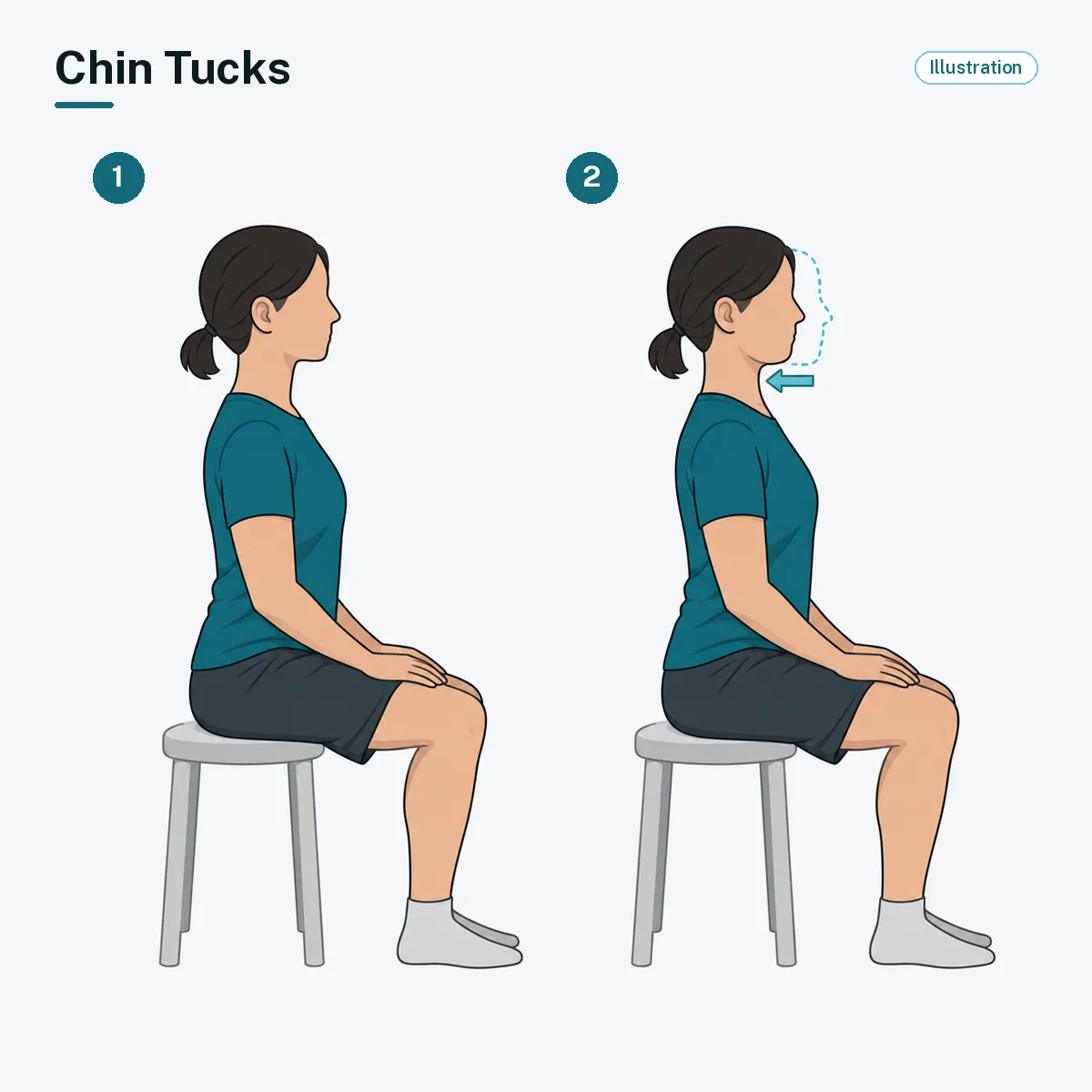 Chin tucks: Sit tall and gently draw your chin straight back. Hold 5 seconds. Repeat 10 times.
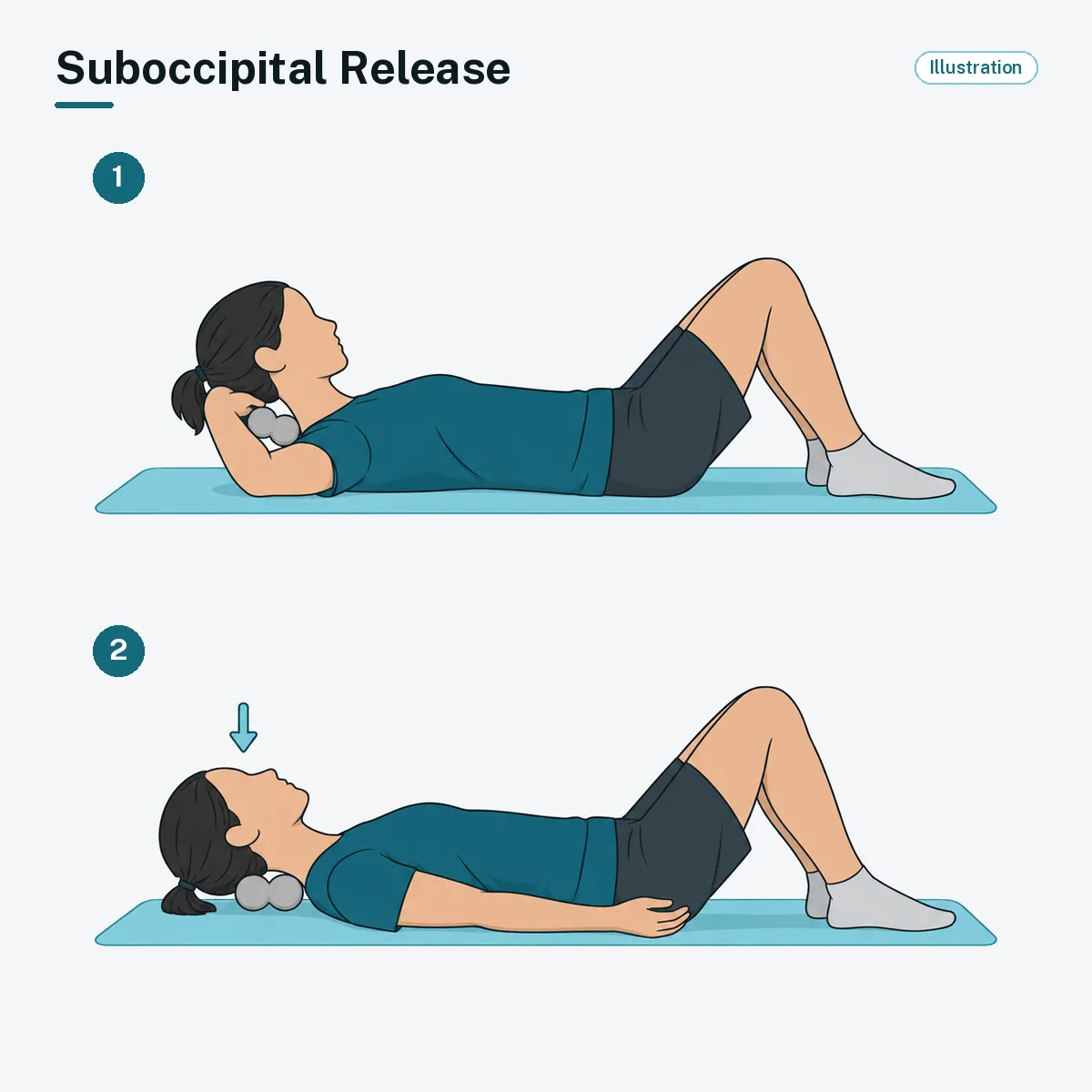 Suboccipital release: Lie on your back with two tennis balls in a sock under the base of your skull. Relax for 2–3 minutes.
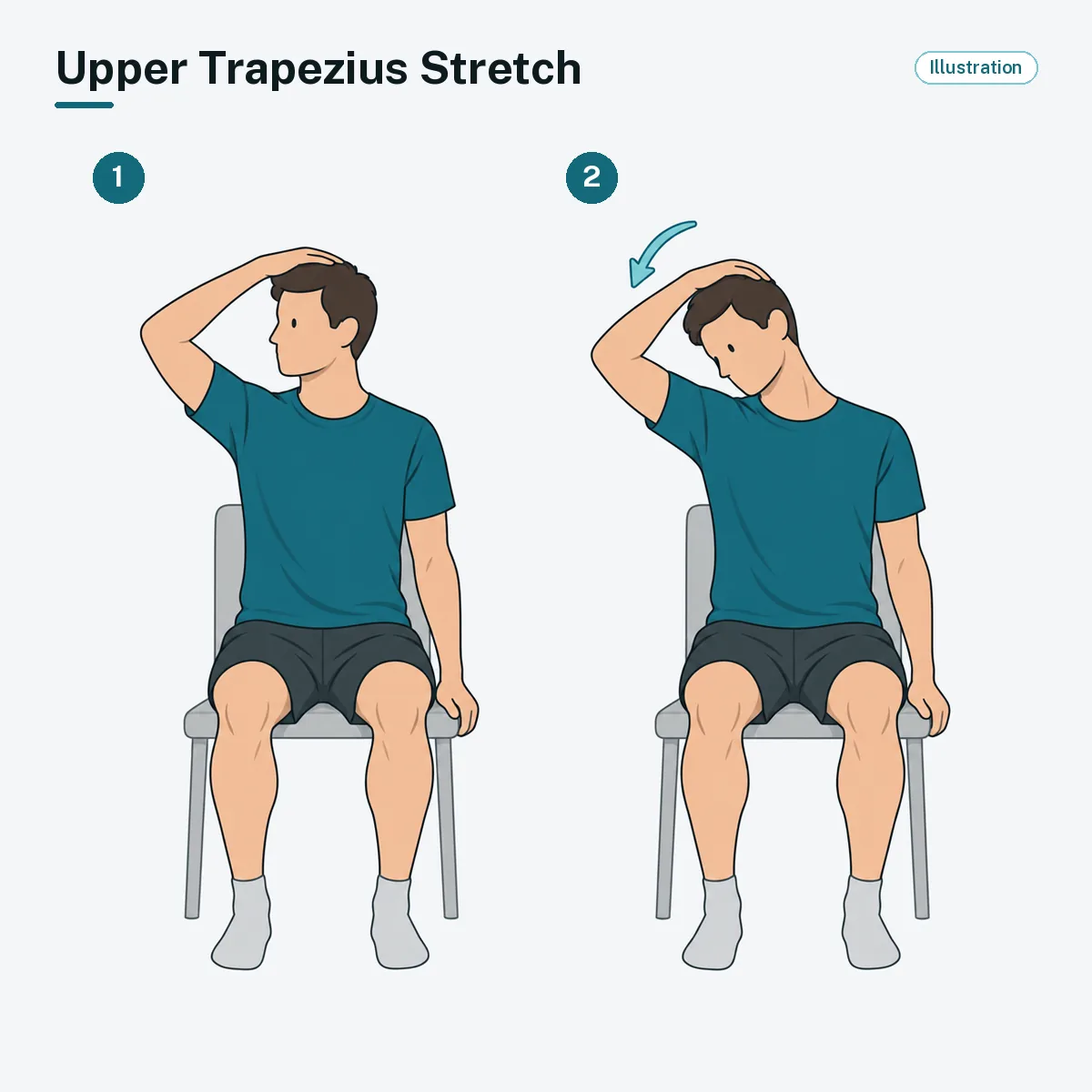 Upper trapezius stretch: Tilt your ear toward your shoulder. Hold 30 seconds. Repeat 3 times per side.
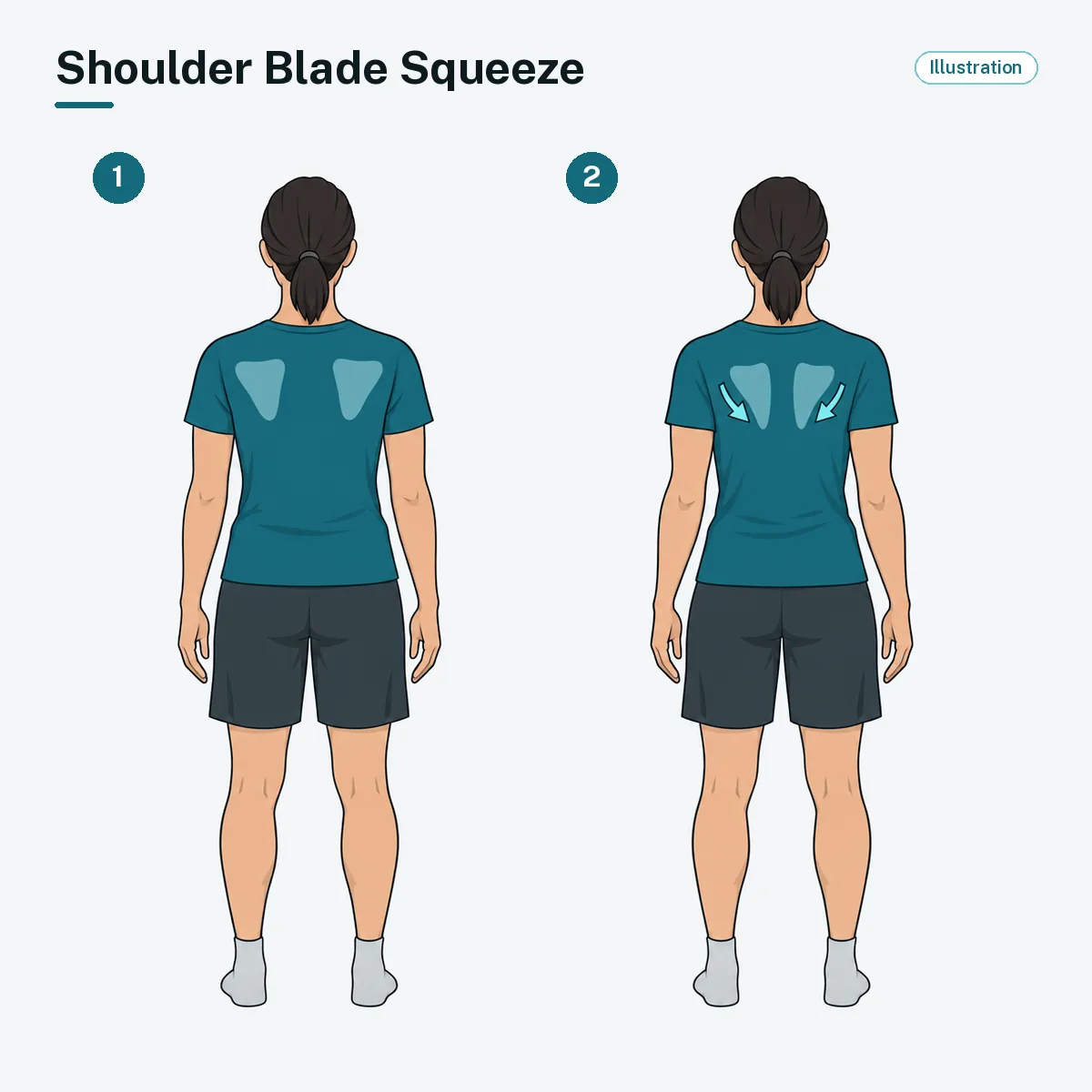 Shoulder blade squeeze: Pull your shoulder blades back and down. Hold 5 seconds. Repeat 10 times.
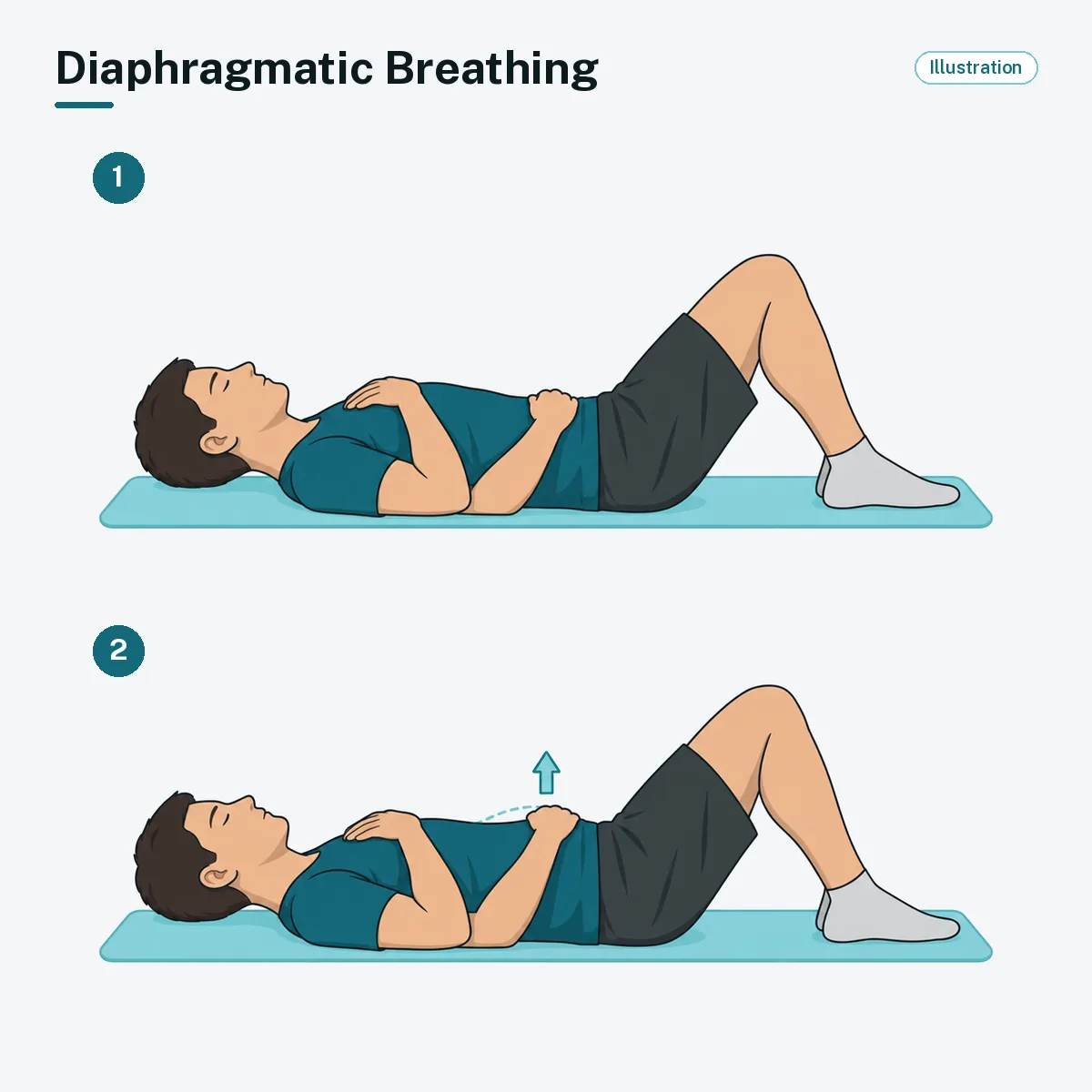 Diaphragmatic breathing: Breathe slowly into your belly for 5 minutes to help ease muscle tension.
Frequently asked questions
When should I see a doctor for headaches or migraines?
It may help to see a physician when headaches are frequent, disabling, or linked to the neck, muscles, or posture. Seek emergency care for a sudden, severe "worst ever" headache, or a headache with fever, confusion, weakness, or vision loss. Your physician can help sort out what is causing your headaches and which treatments may fit your situation.
What treatments can help headaches and migraines?
Options may include physical therapy, medications coordinated with your other doctors, and lifestyle strategies such as sleep, hydration, regular meals, and tracking triggers. Injections such as occipital nerve blocks, cervical facet injections or radiofrequency ablation, trigger point injections, and botulinum toxin for adults with chronic migraine may also be considered. Your physician can help decide which approach may fit you.
Can injections help me do physical therapy for my headaches?
When pain makes it hard to progress with physical therapy or home exercise, an injection such as an occipital nerve block may reduce pain so you can take part more fully. The goal is to help your exercise program work better, not to replace it. Your physician can help decide whether an injection makes sense for you.
What can I do at home to help my headaches?
Home exercises may include chin tucks, a suboccipital release using two tennis balls in a sock under the base of the skull, an upper trapezius stretch, shoulder blade squeezes, and diaphragmatic breathing to help ease muscle tension. Do these slowly and stop if they trigger a headache. Lifestyle steps such as sleep, hydration, regular meals, and tracking triggers may also help. Your physician can guide you.
Sources
- BOTOX (onabotulinumtoxinA) prescribing information. U.S. Food and Drug Administration, 2023.
- Prevalence and relative frequency of cervicogenic headache in population- and clinic-based studies: a systematic review and meta-analysis. Cephalalgia, 2025.
Last updated: October 2026
