Nerve Blocks
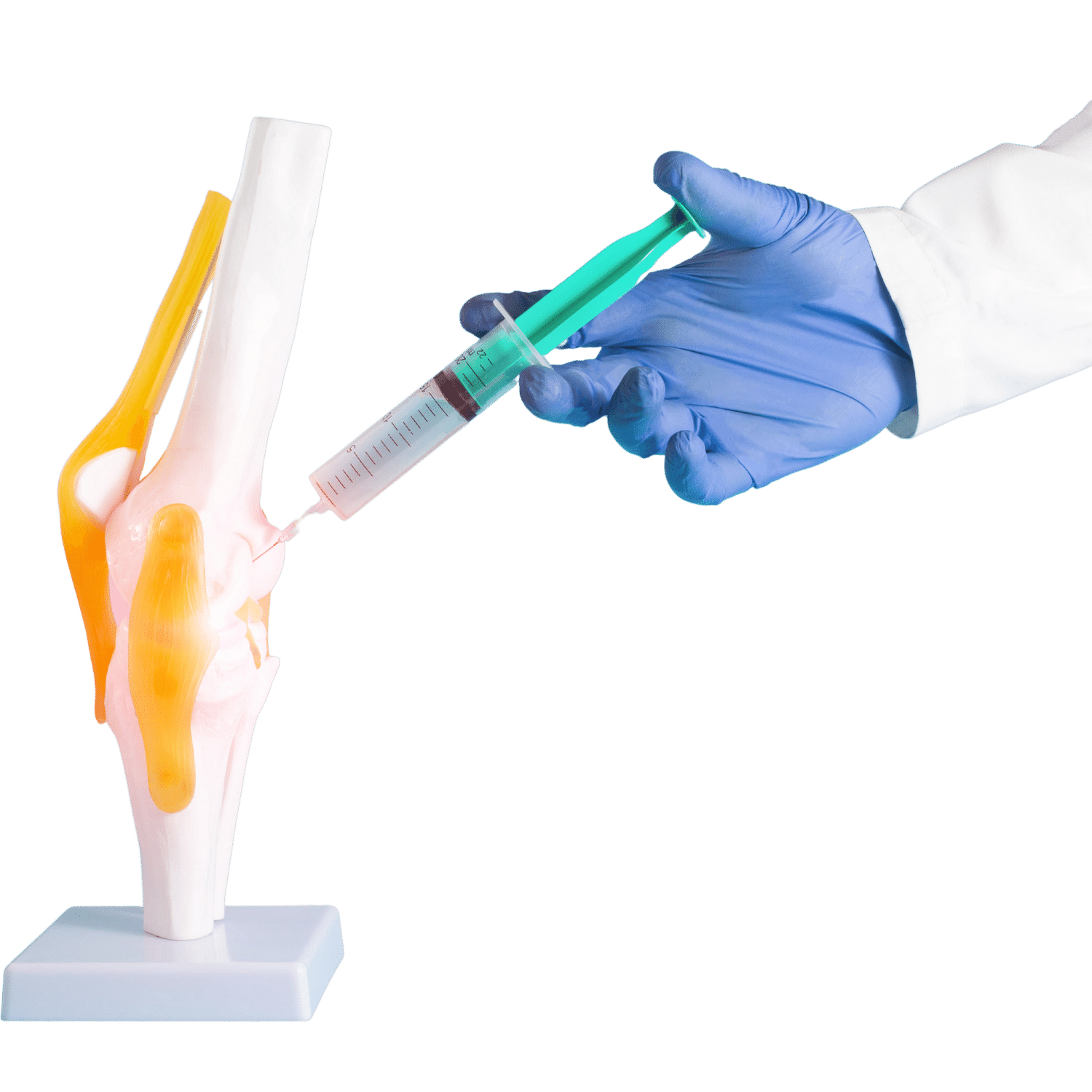
A nerve block is an injection of numbing medicine, sometimes with a small dose of steroid, placed next to a specific nerve or group of nerves. Dr. Michael Chait uses nerve blocks at our Pomona, NY office for two purposes: to find out exactly where pain is coming from, and to relieve it. Patients come to us from across Rockland and Bergen counties.
The conditions it treats
When a nerve is pinched, inflamed or injured, or when it carries signals from a painful joint, blocking that nerve can quiet the pain. Nerve blocks are used for pain from:
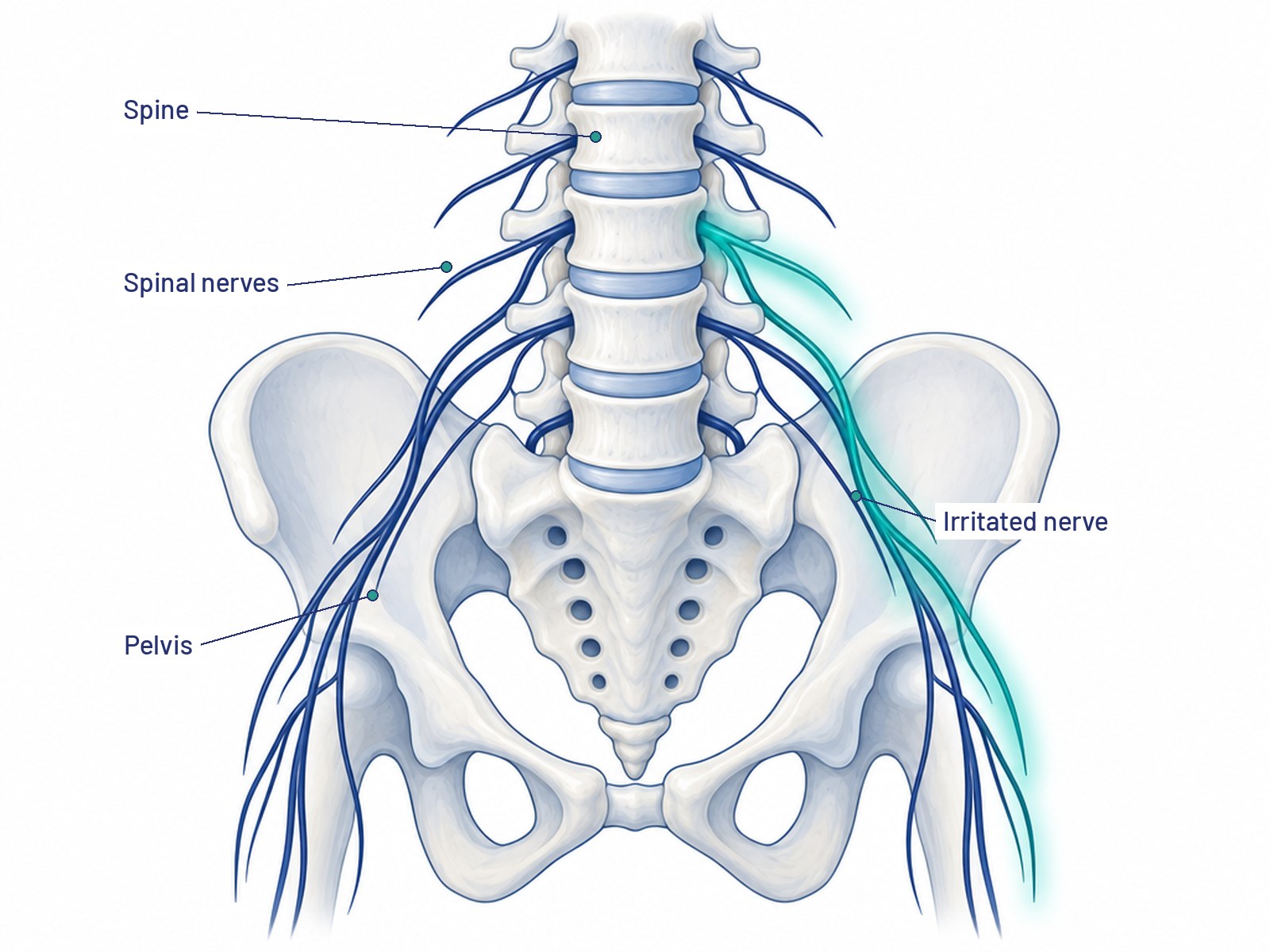
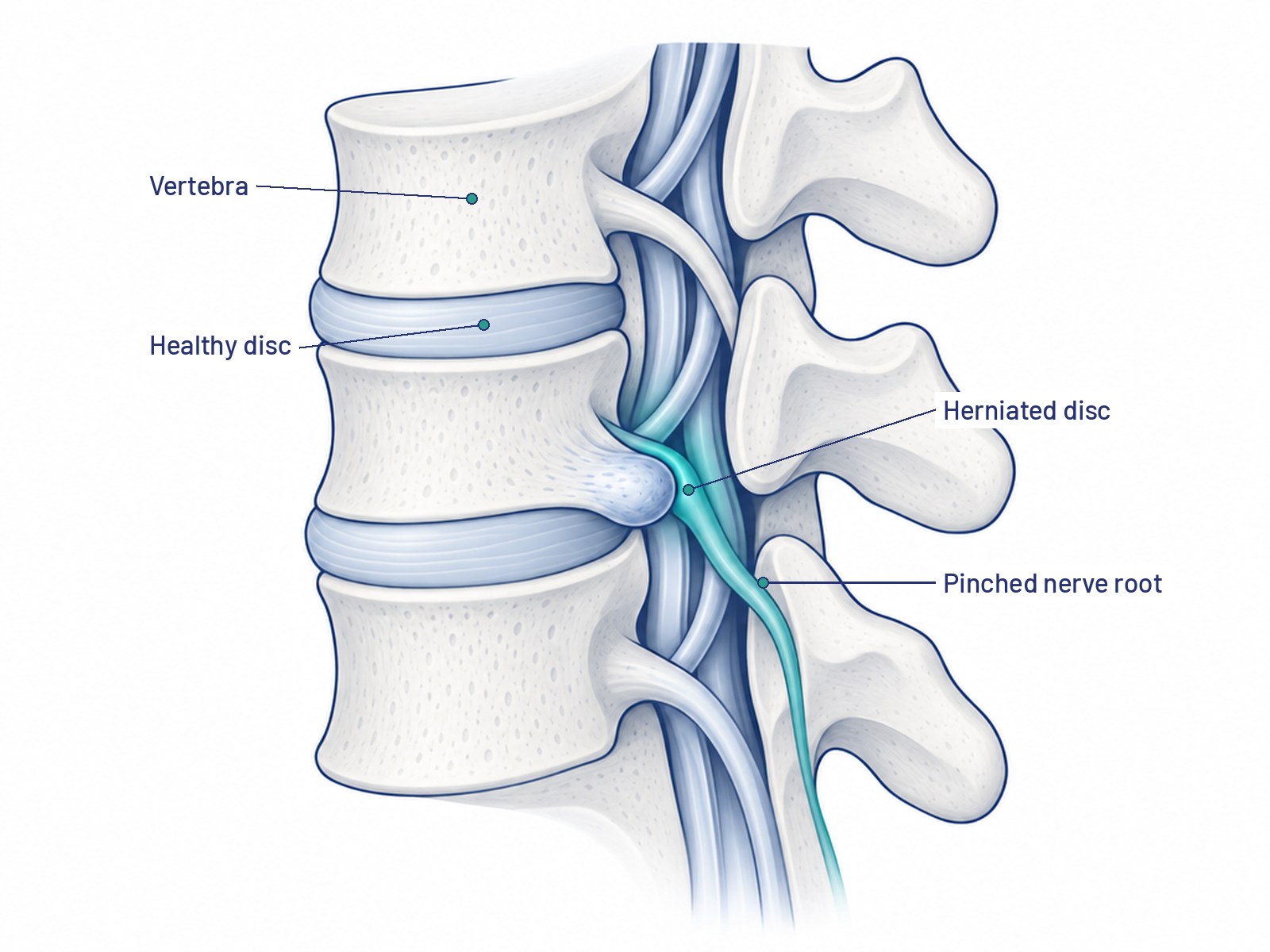
- Spinal nerves. A selective nerve root block targets a single nerve where it leaves the spine, for arm or leg pain from a pinched nerve, and helps show which level is responsible.
- Joints. Small nerves carry pain from joints such as the knee, hip, sacroiliac (SI) joint and the facet joints of the spine. Blocking these nerves can confirm the joint as the source and may relieve arthritis pain.
- Peripheral nerves. Nerves outside the spine can become irritated or trapped. Examples include occipital nerve pain that causes headaches at the back of the head, nerve pain in the groin or outer thigh, and rib pain after an injury or shingles.
Nerve-related pain is often burning, shooting or electric and follows a specific path, with tenderness over the nerve and tingling or numbness in the area it supplies. It often does not match what an X-ray or MRI shows, which is where a diagnostic block can help.
How a nerve block works
Numbing medicine, called a local anesthetic, briefly stops the nerve from sending signals. What happens next depends on the goal.
A diagnostic block answers a question. If your pain drops a great deal while the nerve is numb and returns when the medicine wears off, that nerve is very likely the source. This tells us where to focus treatment: rehabilitation, a repeat injection, or a longer-lasting procedure such as radiofrequency ablation.
A therapeutic block aims for relief. The numbing medicine, often with a steroid to calm inflammation, may settle an irritated nerve so that the relief outlasts the medicine itself. Some people benefit from a short series of blocks.
Most blocks are done with image guidance. Ultrasound lets Dr. Chait see the nerve, the needle and the spread of medicine in real time; live X-ray (fluoroscopy) is used for nerves near the spine.

Who it may help, and who it may not
A nerve block may help people who:
- Have pain that follows the path of a specific nerve or comes from a specific joint
- Have a diagnosis that is not clear from an exam and imaging alone
- Want to confirm the pain source before a longer-lasting procedure
- Hope to reduce pain enough to take part in therapy, or to avoid or delay surgery
Nerve blocks are less helpful for widespread pain that does not follow a nerve pattern. They may not be right for people with an active infection, certain bleeding problems, or an allergy to the medicines used. If you take blood thinners or have diabetes, tell us. Dr. Chait reviews your history and exam and tells you honestly whether a block is likely to help.
What to expect
Before
Dr. Chait reviews your symptoms, exam and imaging and chooses the nerve to block. We will tell you which medicines to pause. If the block may make a leg numb, plan on not driving that day.
During
The skin is cleaned and numbed. Using ultrasound or X-ray, Dr. Chait guides a thin needle beside the target nerve and injects the medicine. You may feel pressure or a brief tingling. Most blocks take about 10 to 30 minutes, with a short rest afterward.
After and recovery
The area may feel numb, heavy or weak for a few hours. For a diagnostic block, keep a simple diary of your pain level during this time, because that is the result we need. You can usually return to light activity the next day. If a steroid was used, relief may build over several days and last weeks to months. We follow up to review how you responded.
Possible risks and side effects
Nerve blocks are considered low-risk when done with image guidance, but no procedure is risk-free. Common, short-lived effects include soreness or bruising, temporary numbness or weakness in the area the nerve supplies, and a brief increase in pain. Less common problems include infection, bleeding, allergic reaction and nerve injury. A steroid may cause facial flushing, trouble sleeping or a short rise in blood sugar. Rarely, serious complications can occur. Dr. Chait reviews the risks that apply to you before you decide.
Part of a complete plan
At Spine & Rehabilitation Medicine Associates, a nerve block is rarely the whole answer. A clear diagnosis lets Dr. Samuel Rosenberg and Dr. Chait build a rehabilitation plan around the real source of your pain, and the relief can make therapy and daily activities easier.
Performed by Dr. Michael Chait
Nerve blocks at our office are performed by Dr. Michael Chait, MD, who is board certified by the American Board of Anesthesiology and completed a fellowship in interventional pain medicine at Detroit Medical Center / Harper University Hospital.
Frequently asked questions
What is the difference between a nerve block and an epidural steroid injection?
An epidural places medicine in the space around the spinal nerves inside the spine. A nerve block targets one specific nerve, at the spine, at a joint or anywhere along its path.
How long does the numbness last?
Usually a few hours, depending on the medicine used. Any weakness in the area should pass in the same time frame. If a steroid was added, pain relief may continue after the numbness wears off.
Will I need more than one block?
Sometimes. A diagnostic block may be repeated to confirm the result, and some therapeutic blocks are given as a short series. We decide together based on how you respond.
Can a nerve block replace surgery?
For some people, a block plus a good rehabilitation plan gives enough relief to put off or avoid surgery. For others, it helps clarify whether surgery would address the real problem. It is not a substitute for surgery when surgery is truly needed.
Will I be awake?
Most nerve blocks are done while you are awake, with numbing medicine in the skin. If you are anxious about the procedure, tell us and we will talk through your options.
Ready to talk?
Call (845) 709-8555 to schedule a visit at our Pomona, NY office or to ask whether a nerve block may help you.




.webp)