
Muscle Pain and Spasm (Myofascial Pain)
Muscle pain is often a hidden driver of neck, back, and shoulder pain. Tight bands of muscle called trigger points can cause deep aching and refer pain to other areas. With targeted treatment, muscle pain often responds well.
Reviewed by Samuel Rosenberg, DO, FAAPMR
- Muscle pain is often a hidden driver of neck, back, and shoulder pain.
- Common symptoms: deep, aching pain in a muscle; tender knots that may send pain to another area when pressed; muscle tightness, cramping, or spasm; reduced range of motion.
- Treatment options: Physical therapy, trigger point injections, dry needling, medications, posture and ergonomic changes, stress and sleep management, treating the root cause.
- With targeted treatment, muscle pain often responds well.
Understanding myofascial pain
Myofascial pain develops when muscles and the surrounding tissue (fascia) become overworked, tense, or injured. Poor posture, repetitive motions, stress, poor sleep, and underlying spine or joint problems can all contribute. Trigger points feel like firm knots and are tender to pressure. Muscle spasms are sudden, involuntary tightening that can be very painful. Fibromyalgia is a related condition that causes widespread pain and fatigue.
Common symptoms
- Deep, aching pain in a muscle
- Tender knots that may send pain to another area when pressed
- Muscle tightness, cramping, or spasm
- Reduced range of motion
- Pain that worsens with stress, poor sleep, or overuse
Treatment options
- Physical therapy: Stretching, strengthening, and manual therapy.
- Trigger point injections: Small injections into the knot may help relax the muscle and ease pain, especially alongside stretching and therapy.
- Dry needling: Fine needles aim to release tight muscle bands.
- Medications: Anti-inflammatories, muscle relaxants, or topical treatments.
- Posture and ergonomic changes: Adjusting your workstation, sleep position, and daily habits.
- Stress and sleep management: Both can play a major role in muscle tension.
- Treating the root cause: Addressing any spine or joint problem that keeps the muscle irritated.
Injections to support your therapy: When muscle pain makes it hard to progress with physical therapy or home stretching, a trigger point injection may ease the painful knot so you can participate more fully. The goal is to help your exercise program work better, not to replace it. Learn more about trigger point injections.
What to expect at your visit
Your physician will ask about your pain pattern, daily activities, work setup, and sleep. The exam includes careful palpation of the muscles to find trigger points and checks posture, strength, and flexibility. We also look for spine or joint problems that may be causing the muscle pain. Trigger point injections can often be done the same day.
Home exercises
Hold stretches gently, without bouncing. Apply heat for 15 minutes before stretching if helpful.
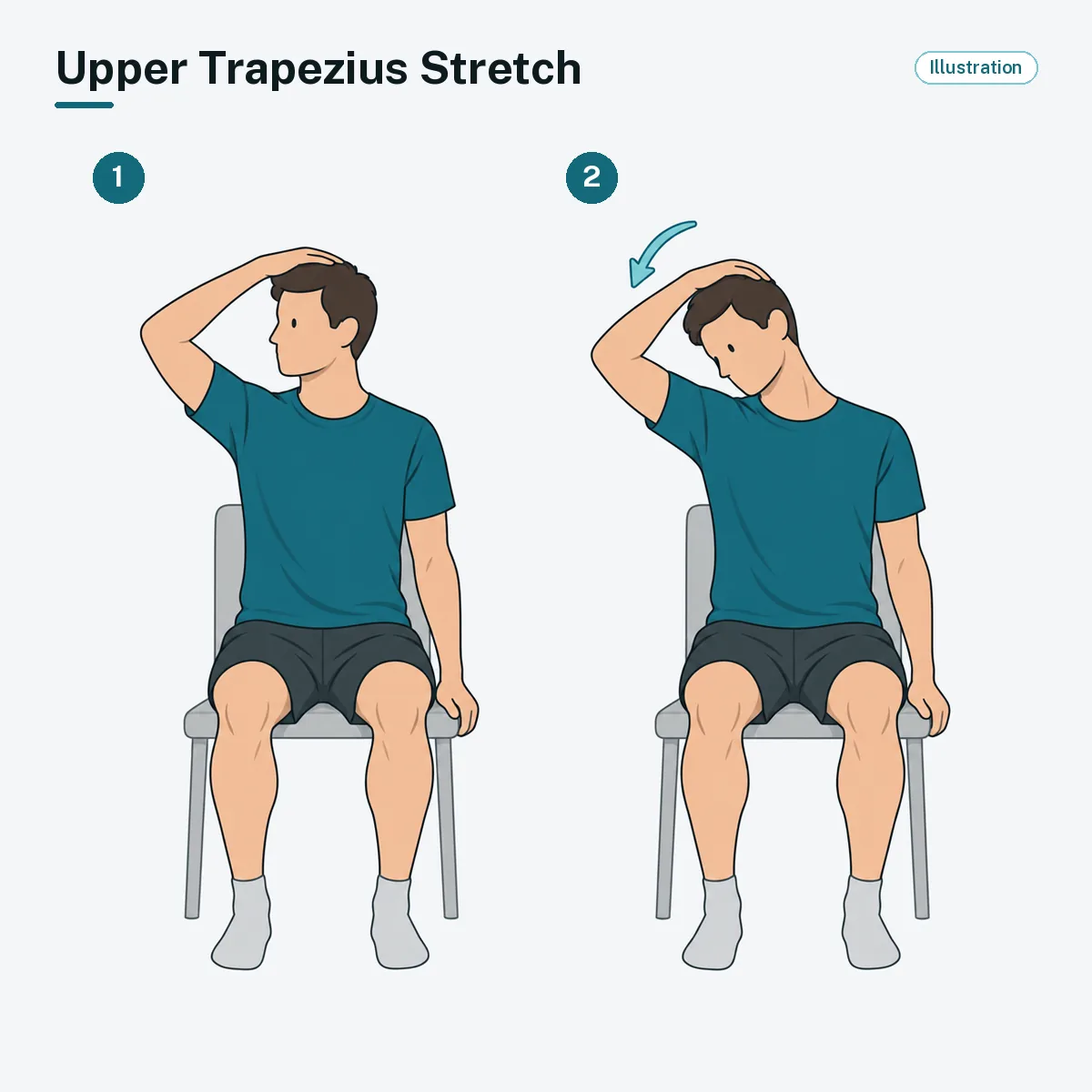 Upper trapezius stretch: Tilt your ear toward your shoulder, using your hand for light pressure. Hold 30 seconds. Repeat 3 times per side.
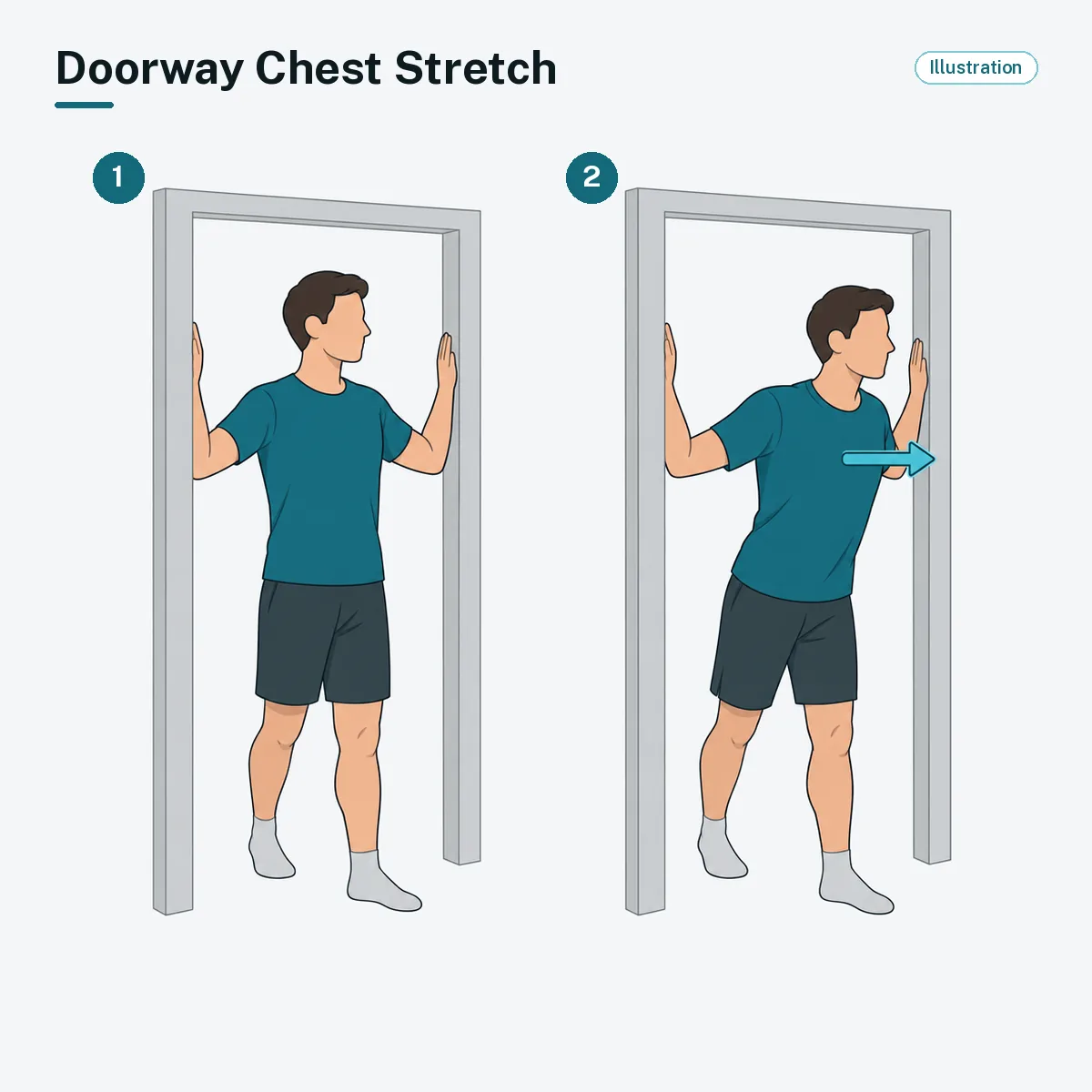 Doorway chest stretch: Place your forearms on a door frame and lean forward gently. Hold 30 seconds. Repeat 3 times.
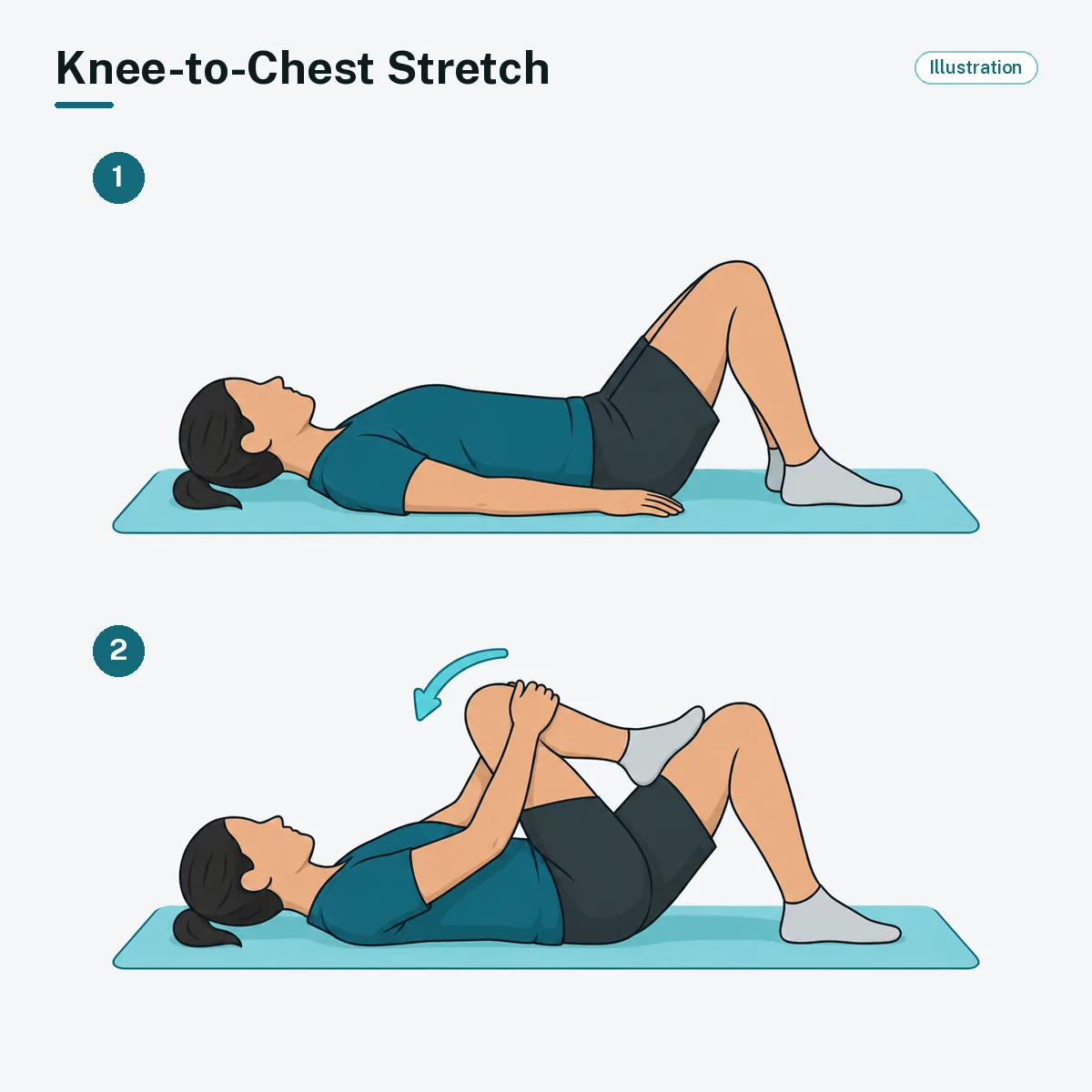 Knee-to-chest stretch: Lie on your back and hug one knee toward your chest. Hold 30 seconds. Repeat 3 times per side.
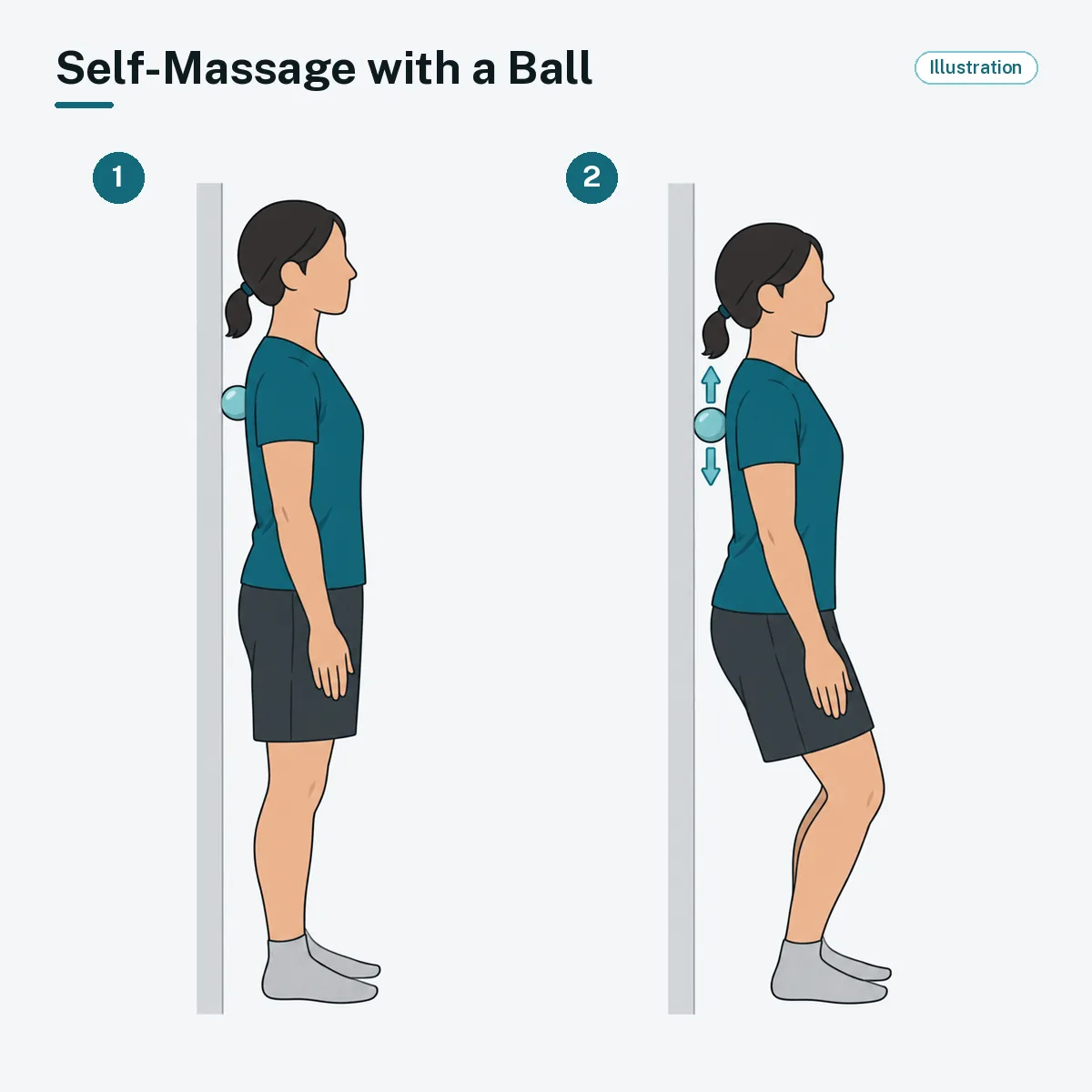 Self-massage with a ball: Lean against a wall with a tennis ball on a tender spot. Apply gentle pressure for 30–60 seconds.
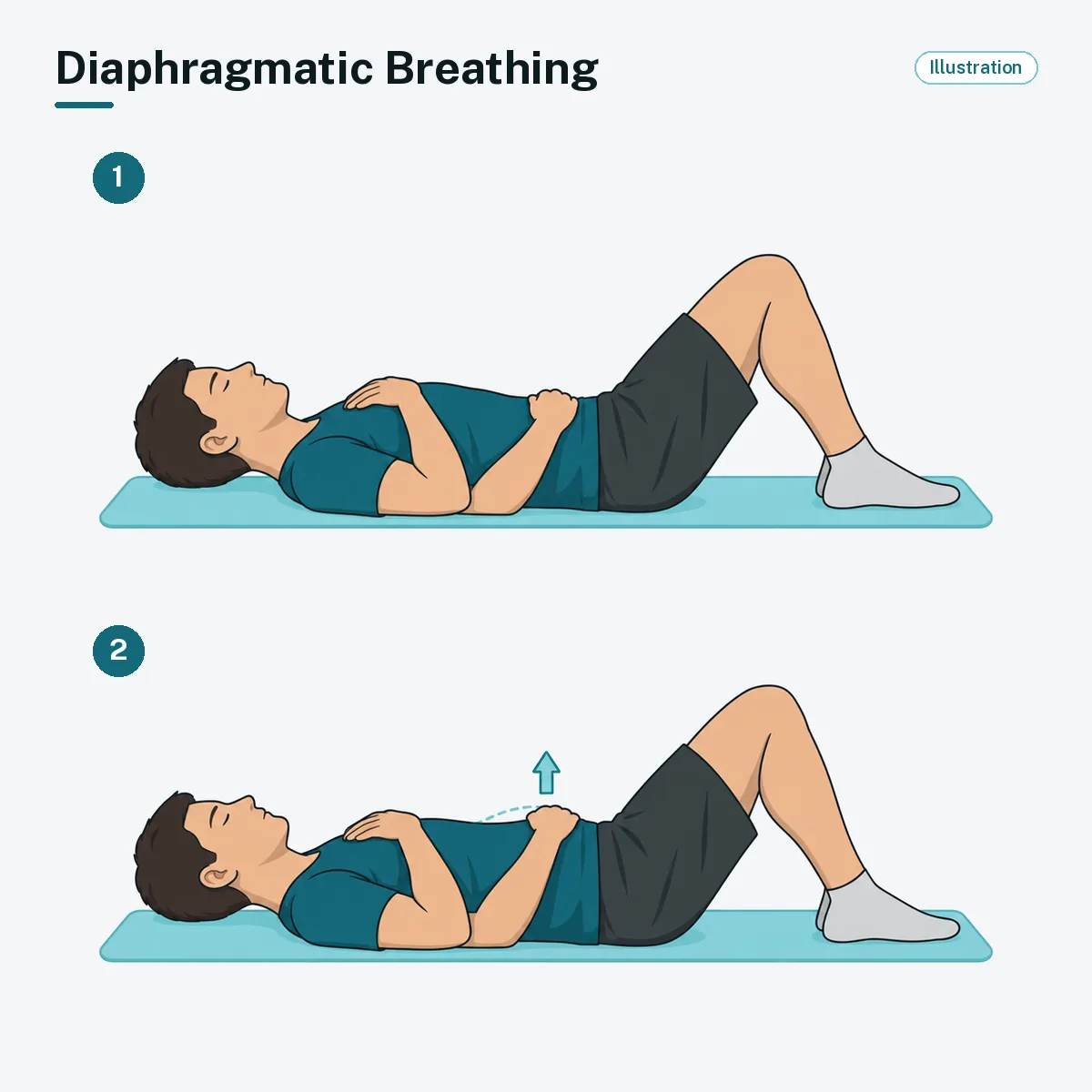 Diaphragmatic breathing: Breathe slowly into your belly for 5 minutes to help ease overall muscle tension.
Frequently asked questions
When should I see a doctor for muscle pain and spasm?
It may help to see your physician if you have deep, aching muscle pain, tender knots that send pain to another area when pressed, muscle tightness or spasm, or reduced range of motion. Muscle pain is often a hidden driver of neck, back, and shoulder pain. Your physician can also look for a spine or joint problem that may be keeping the muscle irritated.
What happens at a visit for muscle pain (myofascial pain)?
Your physician may ask about your pain pattern, daily activities, work setup, and sleep. The exam includes careful palpation of the muscles to find trigger points and checks of posture, strength, and flexibility. Your physician also looks for spine or joint problems that may be causing the muscle pain.
What are the treatment options for muscle pain without surgery?
Options may include physical therapy with stretching, strengthening, and manual therapy, trigger point injections, dry needling, and medications such as anti-inflammatories, muscle relaxants, or topical treatments. Posture and ergonomic changes plus stress and sleep management can also help. Treating a spine or joint problem that keeps the muscle irritated may be part of the plan, and your physician can help choose what fits you.
Can trigger point injections help me do physical therapy for muscle pain?
When muscle pain makes it hard to progress with physical therapy or home stretching, a trigger point injection may ease the painful knot so you can take part more fully. Small injections into the knot may help relax the muscle and ease pain, especially alongside stretching and therapy. The goal is to help your exercise program work better, not to replace it. Your physician can help decide if this fits you.
Sources
- Trigger point injection therapies for chronic myofascial neck and back pain: a systematic review. Interventional Pain Medicine, 2022.
- Low back pain and sciatica in over 16s: assessment and management (NG59). National Institute for Health and Care Excellence (NICE), 2016, updated 2020.
Last updated: October 2026
