
Cervical Radiculopathy (Pinched Nerve in the Neck)
A pinched nerve in the neck causes pain, numbness, or weakness that travels into the shoulder, arm, or hand. Many people improve with non-surgical care, and targeted treatment may help speed recovery.
Reviewed by Samuel Rosenberg, DO, FAAPMR
- A pinched nerve in the neck causes pain, numbness, or weakness that travels into the shoulder, arm, or hand.
- Common symptoms: sharp or burning pain from the neck into the shoulder, arm, or hand; numbness or tingling in the fingers; weakness in the arm, hand, or grip; pain that worsens when turning or tilting the head.
- Treatment options: Physical therapy, medications, cervical epidural steroid injections, activity modification, surgical referral.
- Many people improve with non-surgical care, and targeted treatment may help speed recovery.
- Seek care right away if you notice weakness in both arms, trouble walking, or loss of balance or hand coordination.
Understanding cervical radiculopathy
Nerve roots leave the cervical spine and travel down the arms. A herniated disc or bone spurs from arthritis can narrow the openings where these nerves exit. The nerve becomes compressed and inflamed. The location of symptoms in the arm and hand often tells us which nerve is involved.
Common symptoms
- Sharp or burning pain from the neck into the shoulder, arm, or hand
- Numbness or tingling in the fingers
- Weakness in the arm, hand, or grip
- Pain that worsens when turning or tilting the head
- Relief when resting the hand on top of the head
Seek care right away if you notice weakness in both arms, trouble walking, or loss of balance or hand coordination.
Treatment options
- Physical therapy: Neck stabilization, posture correction, and nerve glides.
- Medications: Anti-inflammatories, nerve pain medicines, or a short course of oral steroids.
- Cervical epidural steroid injections: Image-guided injections deliver anti-inflammatory medicine directly to the irritated nerve.
- Activity modification: Adjusting sleep position and screen time.
- Surgical referral: Considered for progressive weakness or pain that does not respond to other care.
Injections to support your therapy: When pain makes it hard to progress with physical therapy or home exercise, an image-guided injection may calm inflammation and reduce pain so you can participate more fully. The goal is to help your exercise program work better, not to replace it. Learn more about epidural steroid injections.
What to expect at your visit
Your physician will ask where the symptoms travel and what triggers them. The exam checks strength, reflexes, and sensation in each arm, along with special tests for nerve compression. We review your MRI if available. We may also perform EMG nerve testing to confirm which nerve is affected and rule out problems like carpal tunnel syndrome.
Home exercises
Stop any exercise that increases numbness or pain into the arm.
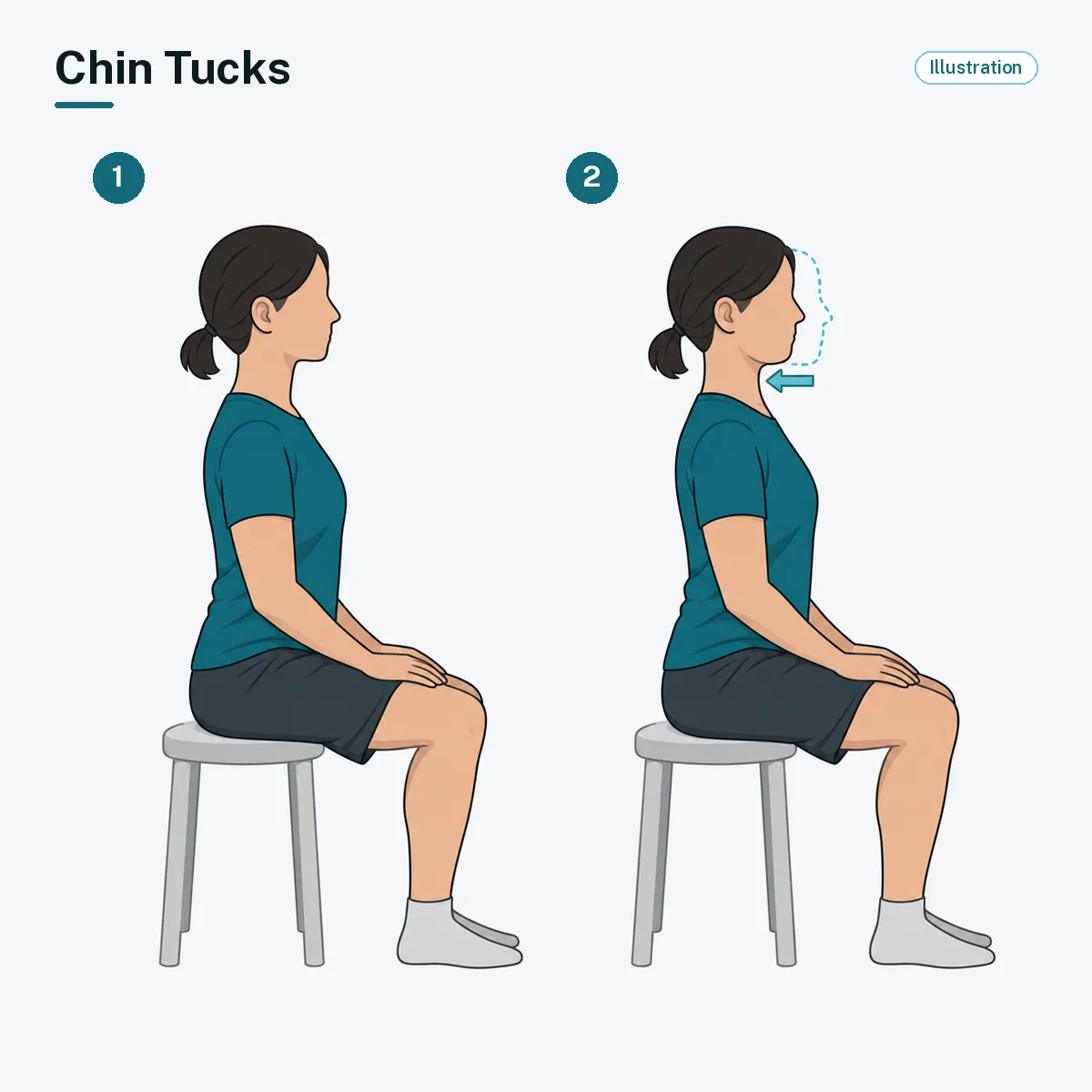 Chin tucks: Sit tall and gently draw your chin straight back. Hold 5 seconds. Repeat 10 times.
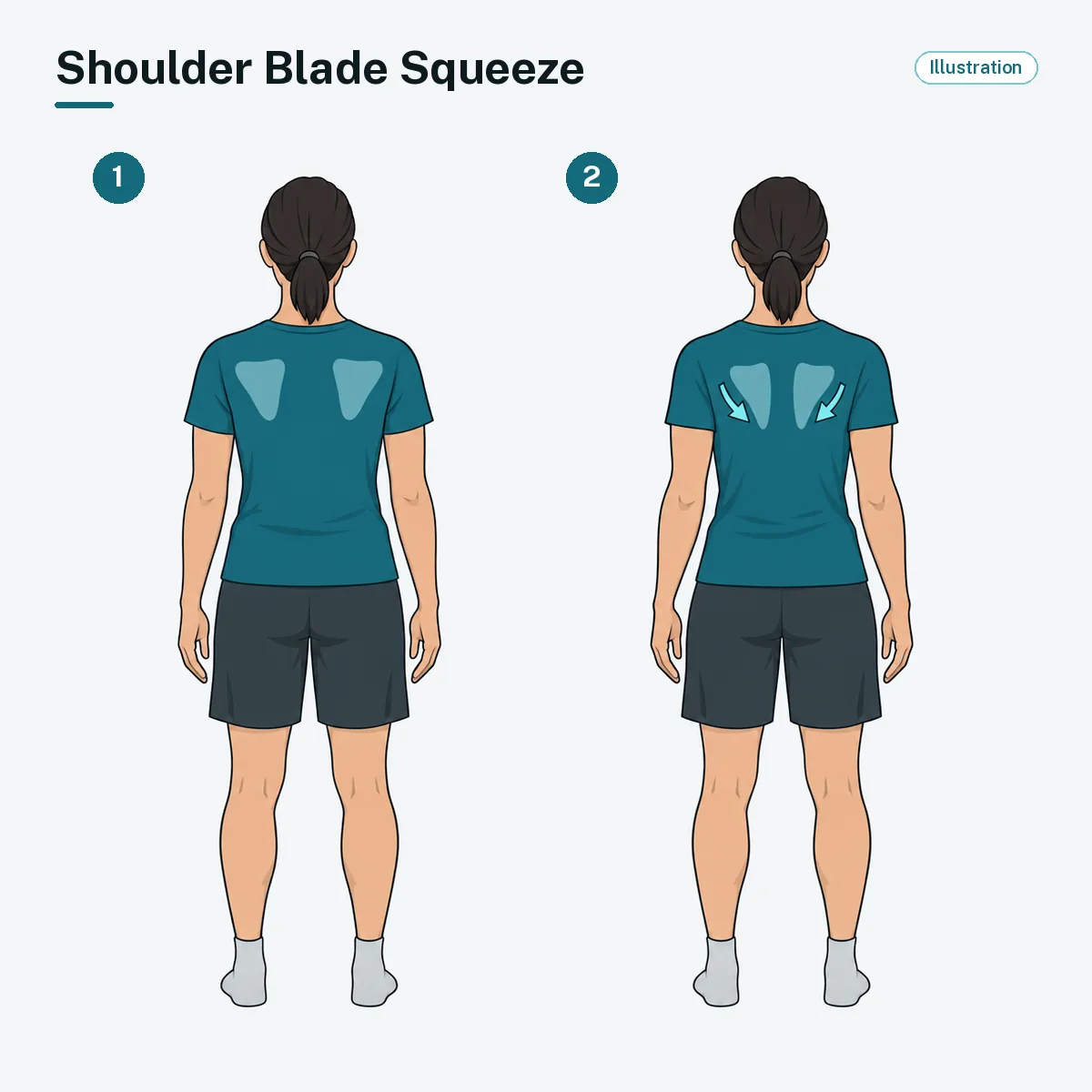 Shoulder blade squeeze: Pull your shoulder blades back and down. Hold 5 seconds. Repeat 10 times.
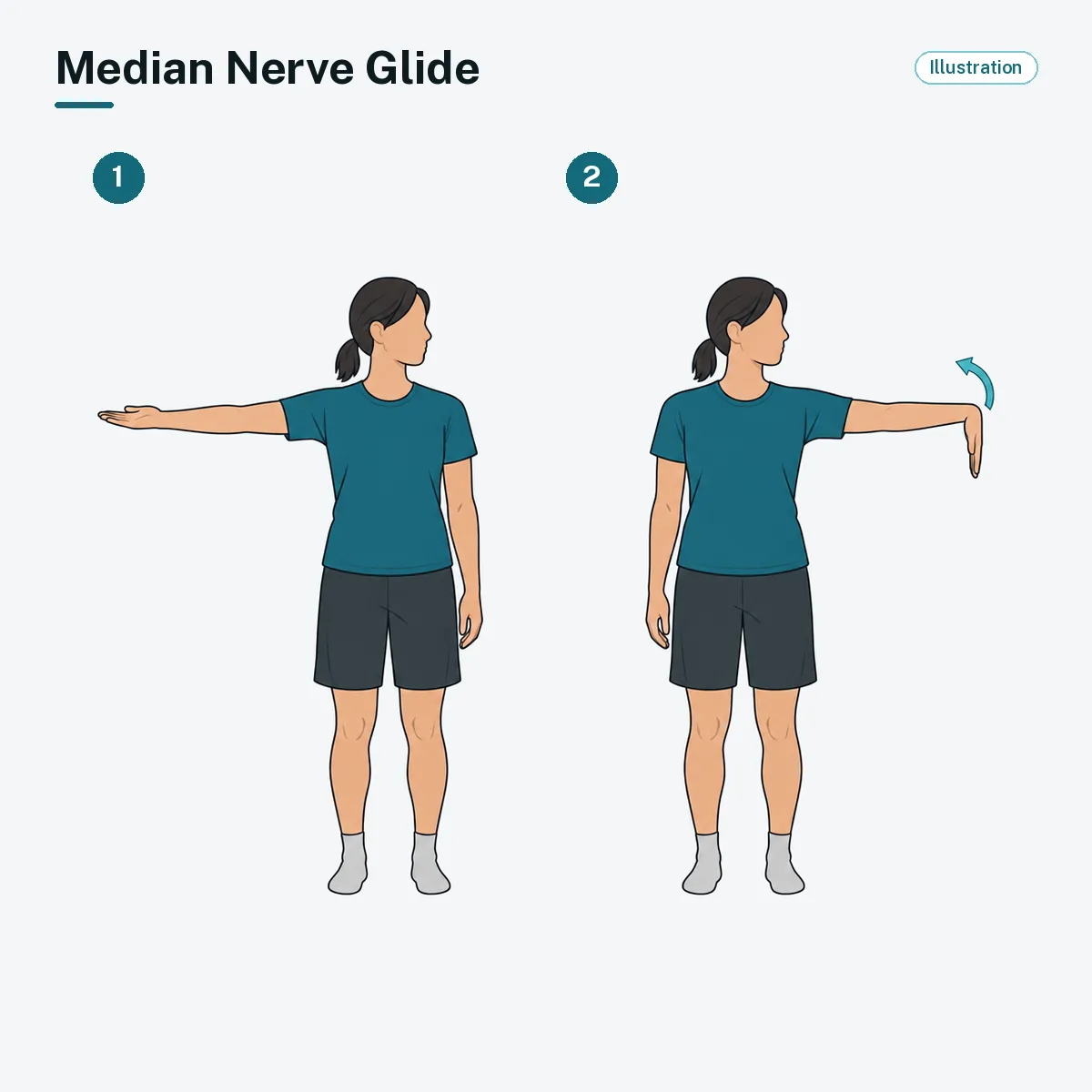 Median nerve glide: Extend your arm to the side with the palm up. Gently bend your wrist back, then return. Repeat 10 times slowly.
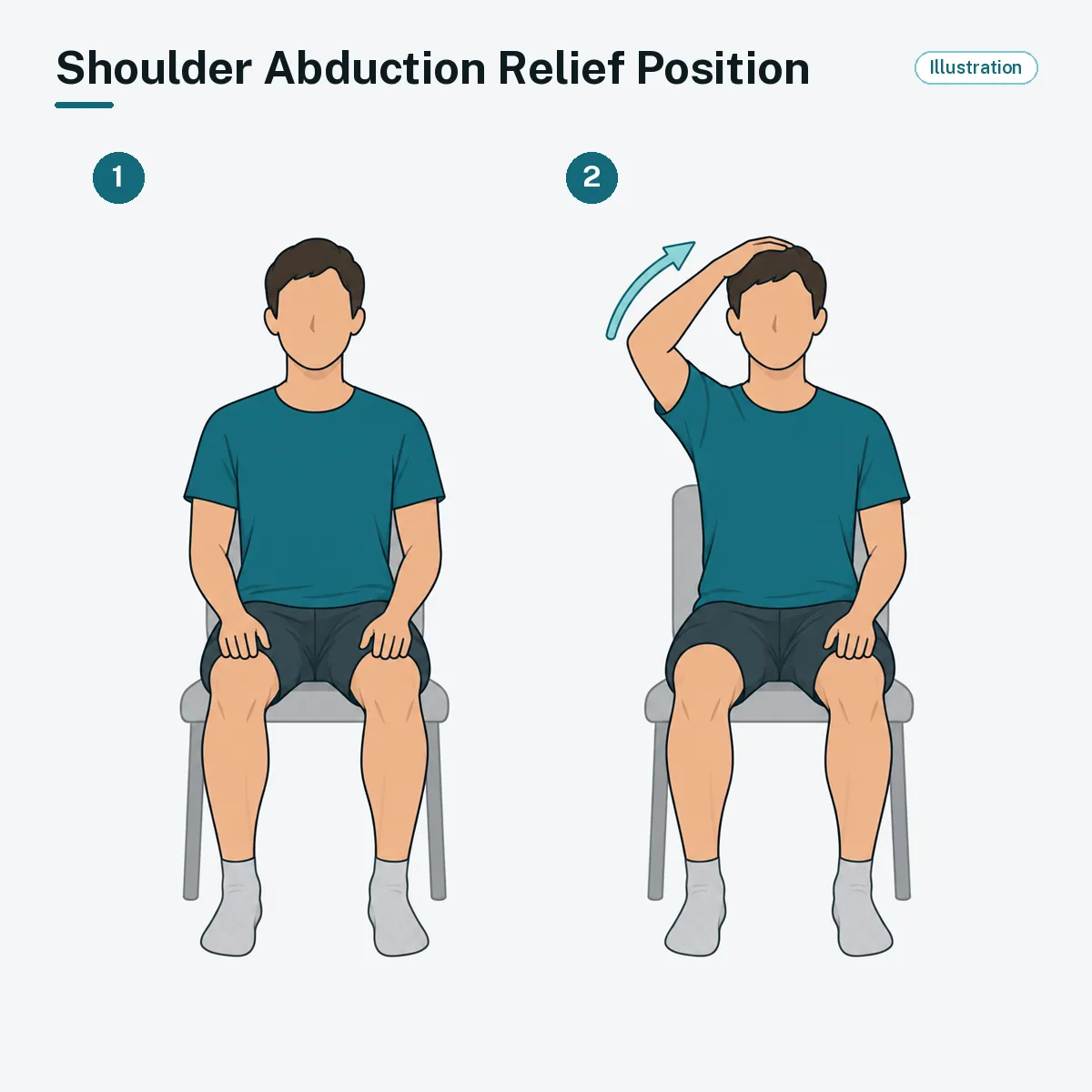 Shoulder abduction relief position: Rest your hand on top of your head for 1–2 minutes when the arm aches.
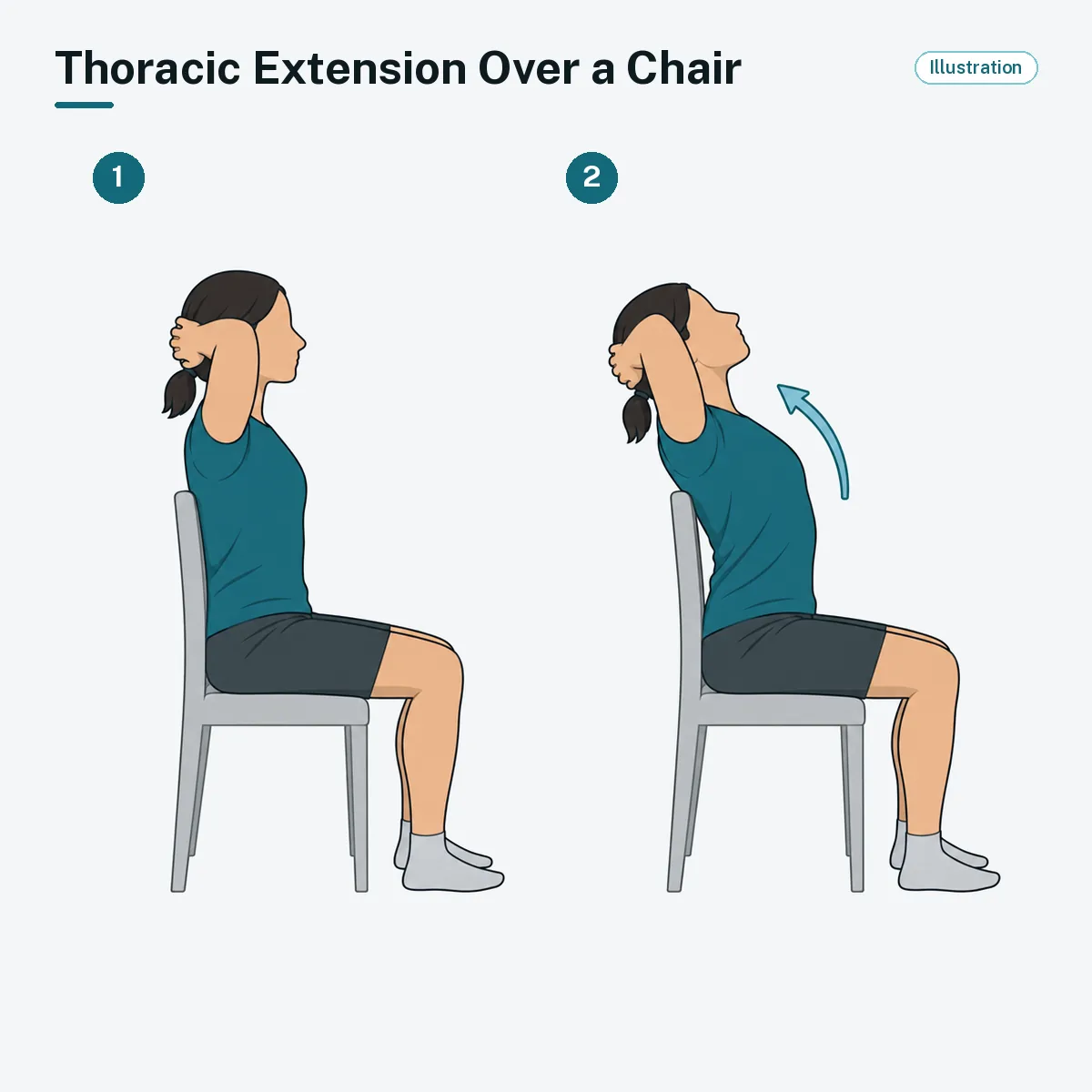 Upper back extension: Sit in a chair with hands behind your head and gently arch your upper back over the backrest. Repeat 10 times.
Frequently asked questions
When should I see a doctor for a pinched nerve in my neck?
Seek care right away if you notice weakness in both arms, trouble walking, or loss of balance or hand coordination. It may also help to talk with your physician if pain, numbness, or weakness travels into your shoulder, arm, or hand, or worsens when you turn or tilt your head. Your physician can check strength, reflexes, and sensation in each arm.
Do I need an MRI or other tests for cervical radiculopathy?
Your physician may ask where symptoms travel and what triggers them, and examine strength, reflexes, and sensation along with special tests for nerve compression. An existing MRI can be reviewed. EMG nerve testing may also be performed to help confirm which nerve is affected and rule out problems like carpal tunnel syndrome. Your physician can help decide which tests make sense for you.
How is a pinched nerve in the neck treated without surgery?
Many people improve with non-surgical care. Options can include physical therapy with neck stabilization, posture correction, and nerve glides, plus medications such as anti-inflammatories, nerve pain medicines, or a short course of oral steroids. Activity modification, such as adjusting sleep position and screen time, may also help. Your physician can discuss surgical referral for progressive weakness or pain that does not respond to other care.
Can injections help me do physical therapy for cervical radiculopathy?
When pain makes it hard to progress with physical therapy or home exercise, an image-guided cervical epidural steroid injection may calm inflammation and reduce pain so you can take part more fully. These injections deliver anti-inflammatory medicine directly to the irritated nerve. The goal is to help your exercise program work better, not to replace it. Your physician can help decide whether an injection is a reasonable option.
Sources
- Epidural corticosteroid injections for radiculopathy and spinal stenosis: a systematic review and meta-analysis. Annals of Internal Medicine, 2015.
- Abnormal findings on magnetic resonance images of the cervical spines in 1211 asymptomatic subjects. Spine, 2015.
Last updated: October 2026
