Epidural Steroid Injections
An epidural steroid injection (ESI) places anti-inflammatory medicine into the epidural space, the area just outside the sac that surrounds your spinal cord and nerves. Dr. Michael Chait offers ESIs at our Pomona, NY office for people in Rockland and Bergen counties whose back, neck, arm or leg pain comes from an irritated spinal nerve.
The conditions it treats
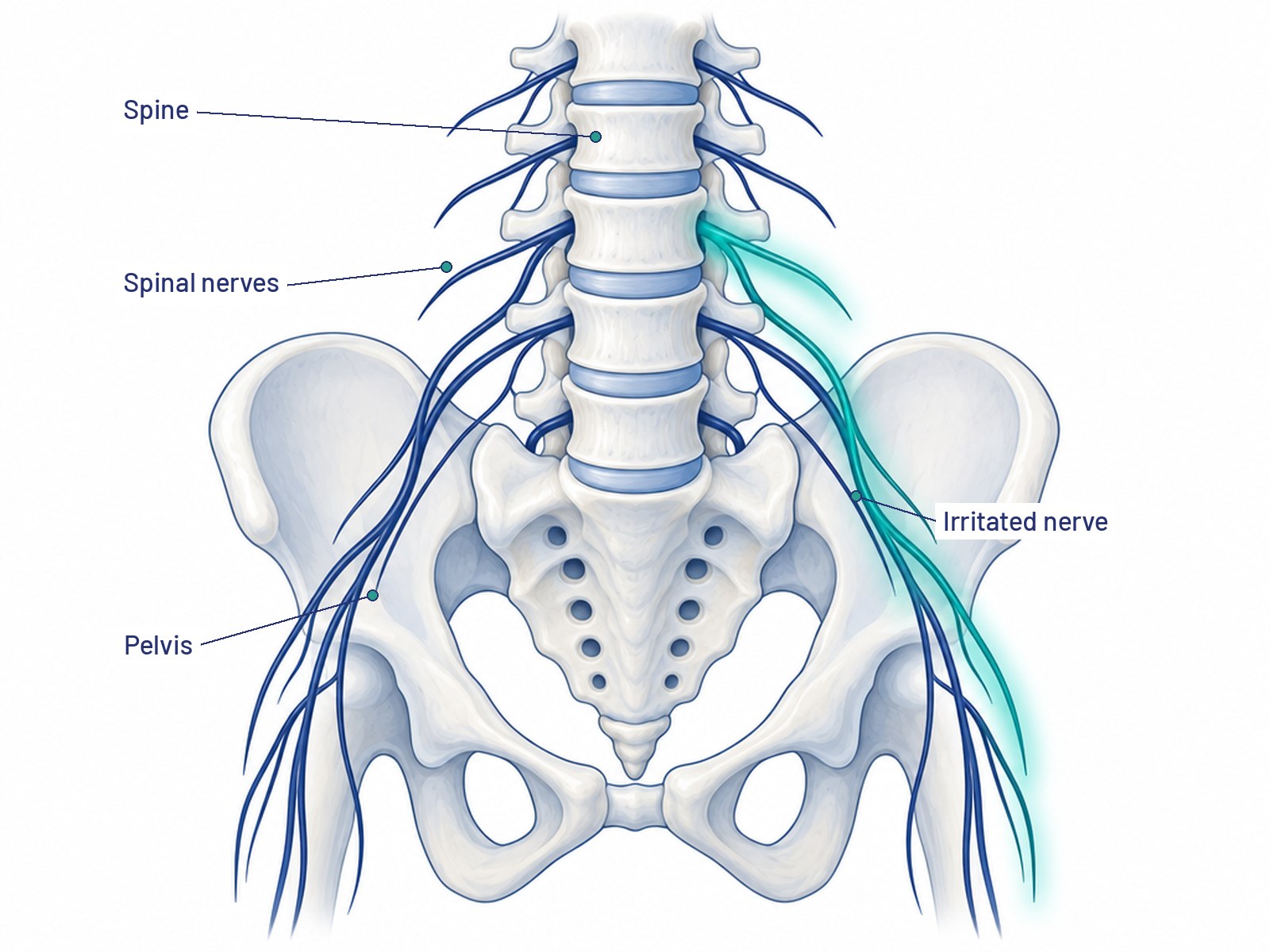
When something presses on or irritates a spinal nerve, the pain is often felt along the nerve's path, in a leg or an arm, rather than only in the back or neck. Three common causes:
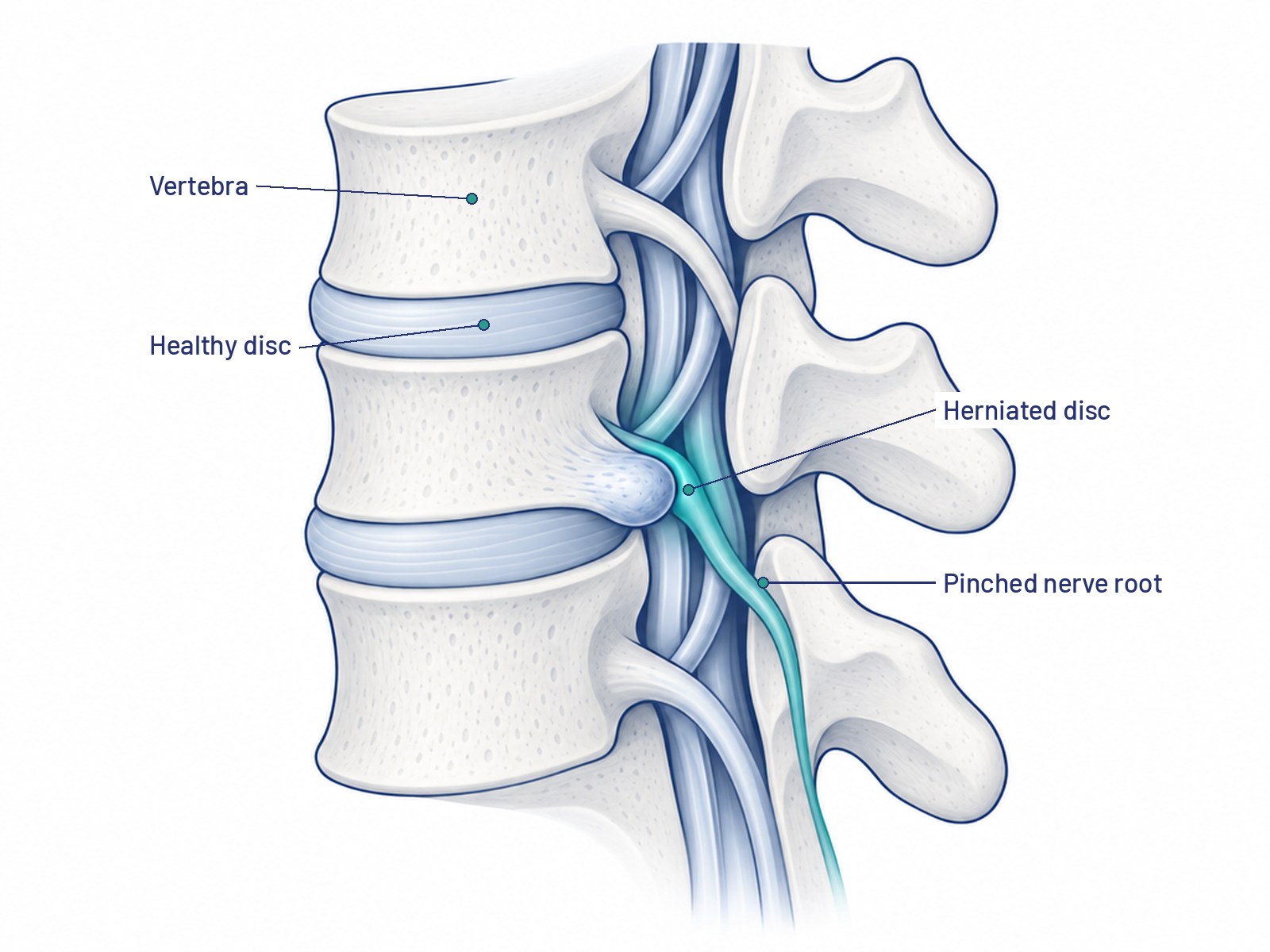
- Herniated disc. Discs are the cushions between the bones of your spine. If the soft center pushes out through the tougher outer ring, it can press on a nearby nerve.
- Spinal stenosis. With age and arthritis, the canal that holds the spinal nerves can narrow. Many people notice leg pain or heaviness when walking or standing that eases when they sit.
- Sciatica and radiculopathy. Radiculopathy is the medical word for a pinched or irritated nerve root. When it involves the nerves that form the sciatic nerve, people call it sciatica: pain that runs from the low back or buttock down the leg, sometimes with tingling, numbness or weakness.
Common symptoms include sharp, burning or shooting pain in an arm or leg, pins and needles, numbness, and pain that gets worse with sitting, bending or walking. Many of these problems improve with time, therapy and medicine. An ESI may be considered when the pain is severe or is not settling down.
How an epidural steroid injection works
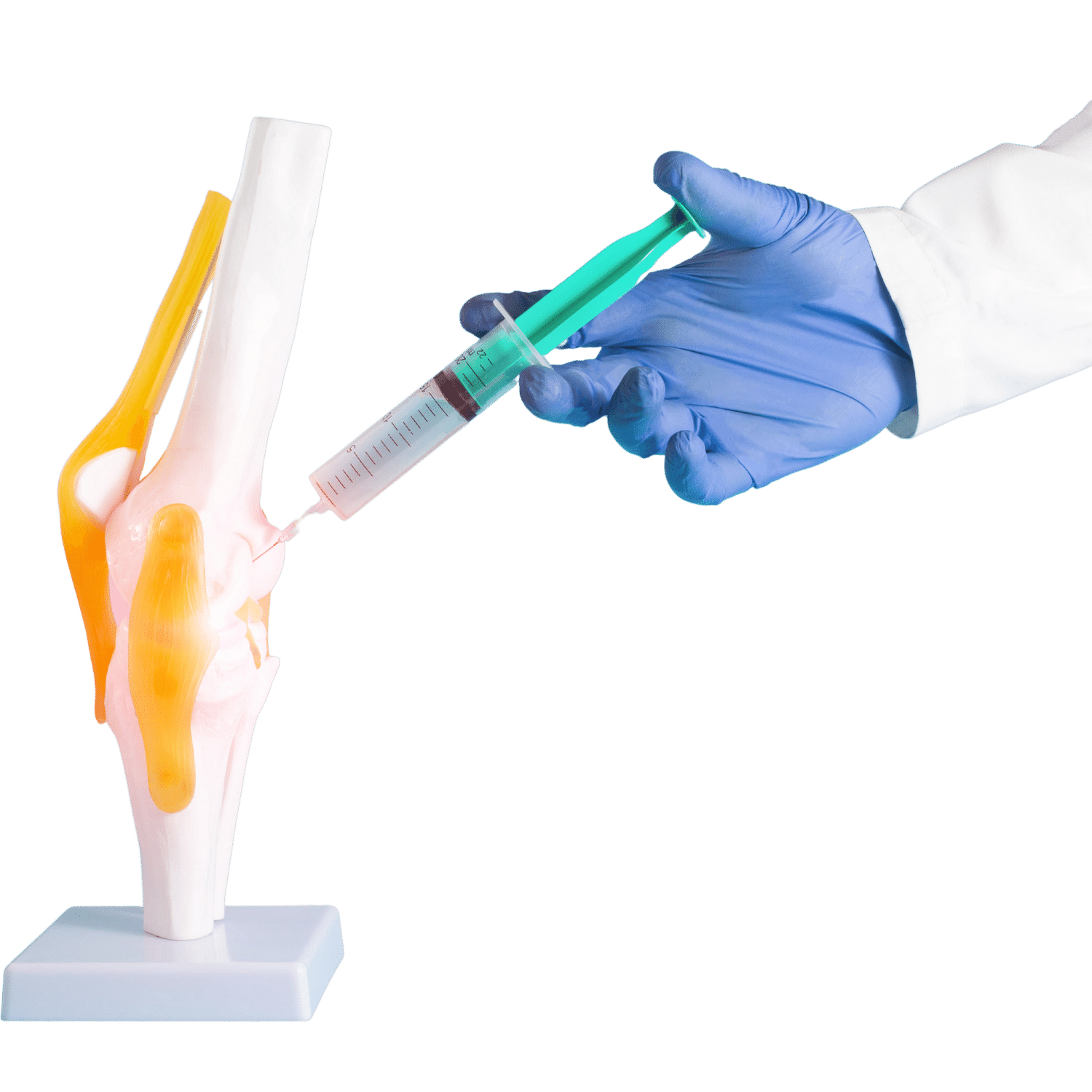
The injection delivers a corticosteroid, a strong anti-inflammatory medicine, often mixed with a numbing medicine, right next to the irritated nerve. The goal is not to fix the disc or the narrowing. It is to calm the inflammation so the pain eases and you can move, sleep and take part in therapy.
Depending on where your pain comes from, Dr. Chait may place the medicine between the bones at the back of the spine (an interlaminar approach) or through the opening where the nerve exits (a transforaminal approach). Both are done with live X-ray guidance, called fluoroscopy, so the needle is placed precisely.

Who it may help, and who it may not
An ESI may help people with:
- Leg or arm pain from a herniated disc or pinched nerve that has not improved with rest, medicine or therapy
- Spinal stenosis with leg pain that limits walking
- Pain that is keeping them from doing physical therapy or daily activities
It tends to be less helpful for pain that stays in the back or neck without nerve symptoms. It may not be right for people with an active infection, certain bleeding problems, or an allergy to the medicines used. If you take blood thinners or have diabetes, tell us. Dr. Chait reviews your history, exam and imaging and tells you honestly whether an injection makes sense.
What to expect
Before
Dr. Chait reviews your symptoms, exam and any MRI or X-rays. We will tell you which medicines to pause, such as some blood thinners, and whether to eat before your visit. Plan for someone to drive you home.
During
You lie on an X-ray table. The skin is cleaned and numbed. Using fluoroscopy, Dr. Chait guides a thin needle to the epidural space and injects a small amount of contrast dye to confirm the position before giving the medicine. Most people feel pressure rather than sharp pain. The injection itself usually takes about 15 to 30 minutes, plus time for check-in and a short rest afterward.
After and recovery
You can usually go home the same day and return to light activity the next day. Your leg or arm may feel numb or heavy for a few hours, and some people are sore for a day or two before the steroid begins to work. Relief, when it comes, often begins within a few days to a week and may last weeks to several months. We follow up to see how you responded and decide on next steps.
Possible risks and side effects
ESIs are considered low-risk when done with image guidance, but no procedure is risk-free. Common, short-lived effects include soreness at the injection site, a temporary flare of pain, facial flushing, trouble sleeping, and a short rise in blood sugar in people with diabetes. Less common problems include headache, bleeding, infection, nerve injury and allergic reaction. Rarely, serious complications can occur. Dr. Chait reviews the risks that apply to you before you decide. Call us right away if you have a fever, new weakness or numbness, or trouble controlling your bladder or bowels after an injection.
Part of a complete plan
At Spine & Rehabilitation Medicine Associates, an injection is one tool, not the whole plan. Dr. Samuel Rosenberg and Dr. Chait work together to pair an ESI with physical therapy, exercise and activity changes. The injection opens a window of relief; rehabilitation helps you make the most of it.
Performed by Dr. Michael Chait
Epidural steroid injections at our office are performed by Dr. Michael Chait, MD, who is board certified by the American Board of Anesthesiology and completed a fellowship in interventional pain medicine at Detroit Medical Center / Harper University Hospital.
Frequently asked questions
Does an epidural steroid injection hurt?
The skin is numbed first, so most people feel pressure or a brief sting rather than sharp pain. The injection itself usually takes about 15 to 30 minutes.
How soon will I feel better, and how long will it last?
Many people notice improvement within a few days to a week. Relief varies from weeks to several months, and some people do not respond.
How many injections can I have?
Steroid injections are spaced out and limited to a small number per year to keep them safe. Dr. Chait will explain what is appropriate for you.
Will I be awake?
Most epidural injections are done while you are awake, with numbing medicine in the skin. If you are anxious about the procedure, tell us; we will talk through your options.
Is this a cure for my herniated disc?
No. It treats the inflammation around the nerve, not the disc itself. Many herniations settle over time, and an ESI may help you stay active while that happens.
Ready to talk?
Call (845) 709-8555 to schedule a visit at our Pomona, NY office or to ask whether an epidural steroid injection may be right for you.




.webp)