
Sciatica (Lumbar Radiculopathy)
Sciatica is pain that travels from the lower back into the buttock and down the leg. It happens when a nerve root in the lumbar spine is irritated or compressed. Many people improve without surgery when they receive the right care.
Reviewed by Samuel Rosenberg, DO, FAAPMR
- Sciatica is pain that travels from the lower back into the buttock and down the leg.
- Common symptoms: sharp, burning, or electric pain from the low back or buttock down the leg; numbness or tingling in the leg or foot; leg pain that is often worse than the back pain; pain that worsens with sitting, bending, coughing, or sneezing.
- Treatment options: Activity modification, medications, physical therapy, epidural steroid injections, selective nerve root blocks, regenerative options, surgical referral.
- Many people improve without surgery when they receive the right care.
- Seek care right away if you have new loss of bladder or bowel control, numbness in the groin or inner thighs, or rapidly worsening leg weakness.
Understanding sciatica
The sciatic nerve forms from nerve roots that leave the lower spine. A herniated or bulging disc, arthritis of the spinal joints, or narrowing of the spinal canal can press on these roots. That pressure causes inflammation, which leads to pain, numbness, or weakness along the path of the nerve. The pain often follows a clear line down one leg, sometimes reaching the foot.
Common symptoms
- Sharp, burning, or electric pain from the low back or buttock down the leg
- Numbness or tingling in the leg or foot
- Leg pain that is often worse than the back pain
- Pain that worsens with sitting, bending, coughing, or sneezing
- Weakness in the leg or foot
Seek care right away if you have new loss of bladder or bowel control, numbness in the groin or inner thighs, or rapidly worsening leg weakness.
Treatment options
- Activity modification: Staying gently active often helps more than bed rest.
- Medications: Anti-inflammatory medicines, nerve pain medicines, or a short course of oral steroids.
- Physical therapy: Core strengthening, nerve mobility work, and posture training.
- Epidural steroid injections: Image-guided injections deliver anti-inflammatory medicine directly to the irritated nerve root.
- Selective nerve root blocks: These can help confirm which nerve is causing pain and may provide relief.
- Regenerative options: For selected patients, orthobiologic treatments may be discussed.
- Surgical referral: Considered when weakness progresses or pain does not respond to other care.
Injections to support your therapy: When pain makes it hard to progress with physical therapy or home exercise, an image-guided injection may calm inflammation and reduce pain so you can participate more fully. The goal is to help your exercise program work better, not to replace it. Learn more about epidural steroid injections.
What to expect at your visit
Your physician will ask how the pain started, where it travels, and what makes it better or worse. A physical exam checks your strength, reflexes, sensation, and nerve tension. We will review any prior MRI or X-rays and may order new imaging or nerve testing (EMG) if needed. The goal is for you to leave with a clear diagnosis and a step-by-step treatment plan.
Home exercises
Stop any exercise that sends pain further down your leg. Mild discomfort in the low back is acceptable.
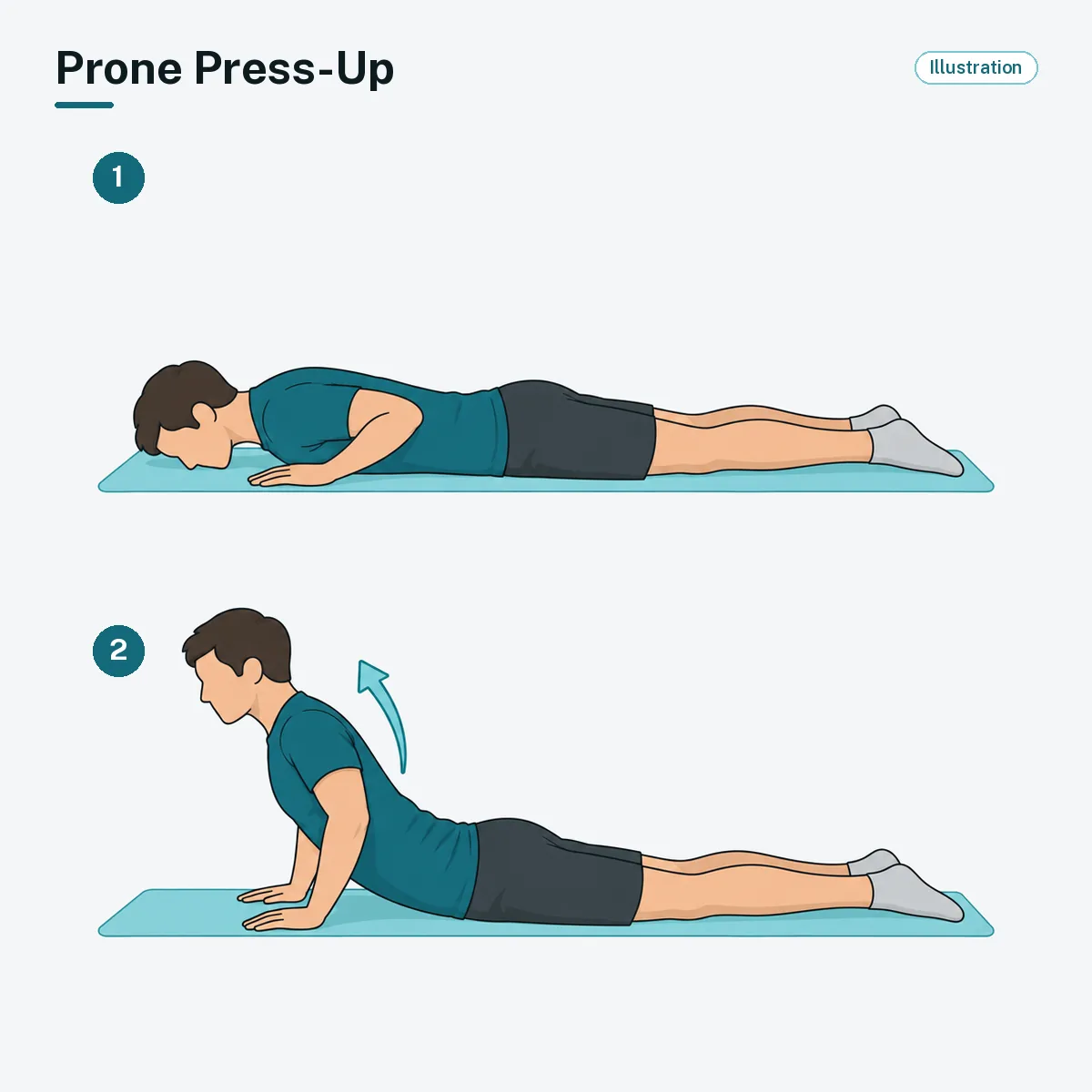 Prone press-up: Lie face down with your hands under your shoulders. Gently press your upper body up while keeping your hips down. Hold 2 seconds. Repeat 10 times.
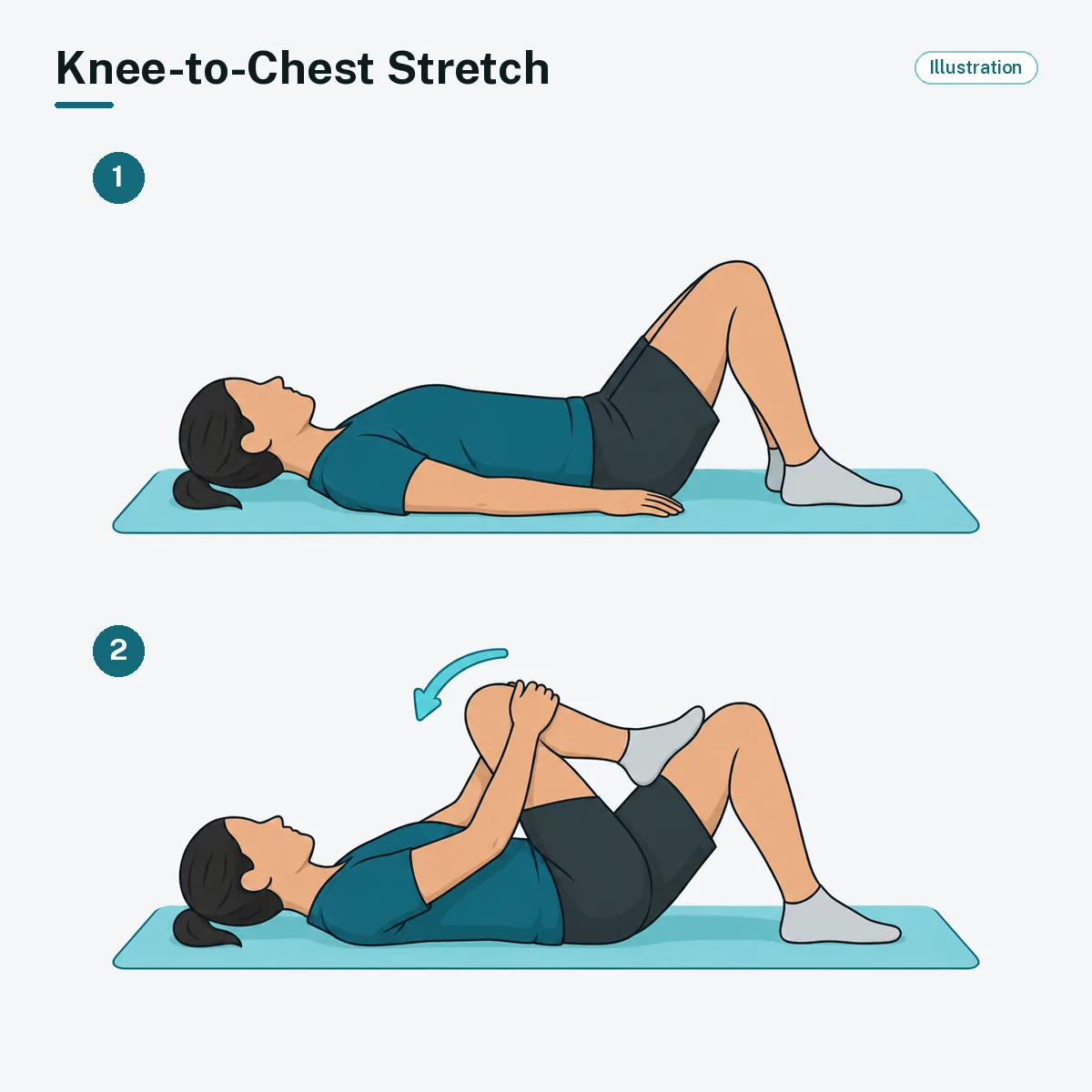 Knee-to-chest stretch: Lie on your back and pull one knee gently toward your chest. Hold 20–30 seconds. Repeat 3 times per side.
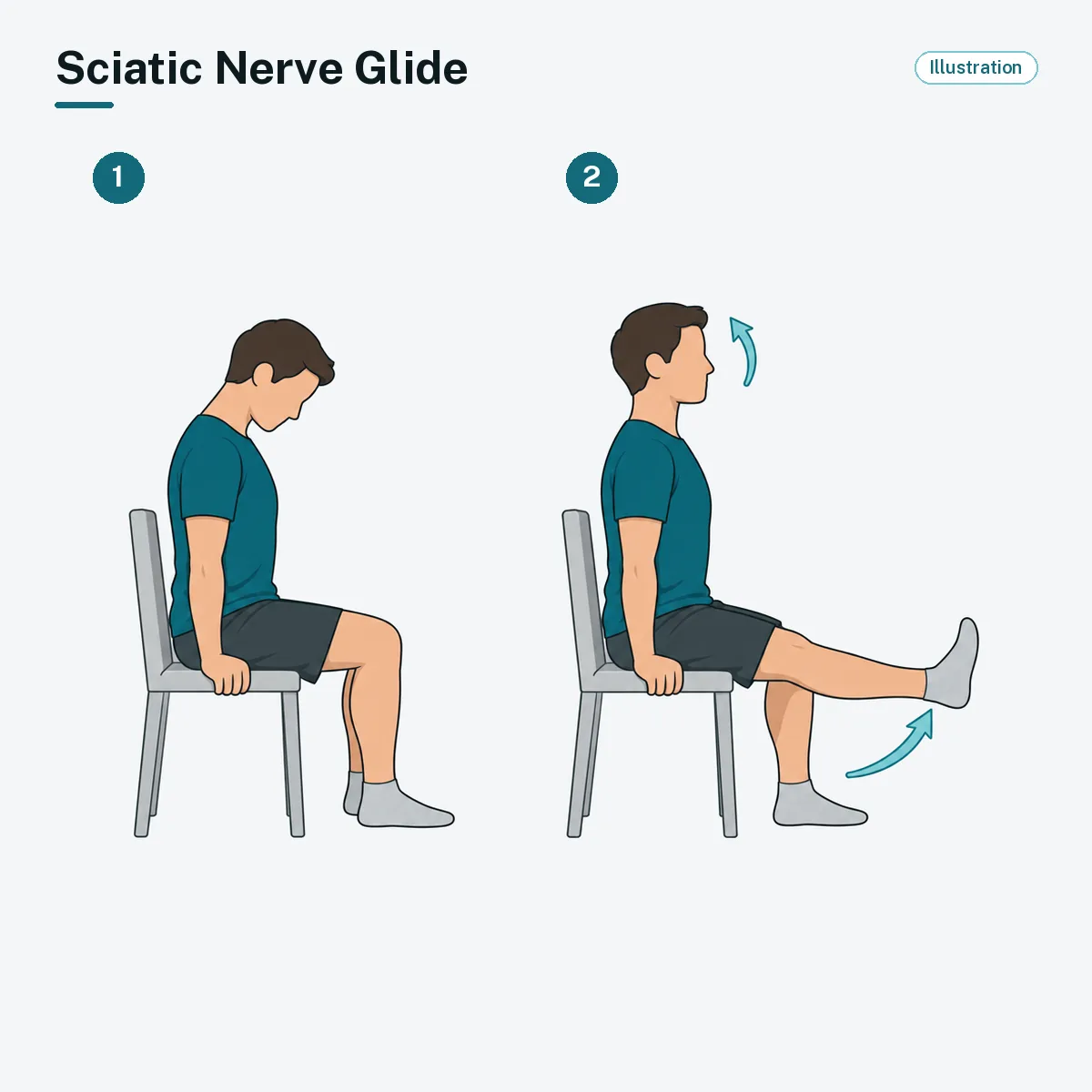 Sciatic nerve glide: Sit tall with one leg extended. Slowly straighten the knee while lifting your head, then bend the knee while lowering your chin. Repeat 10 times gently.
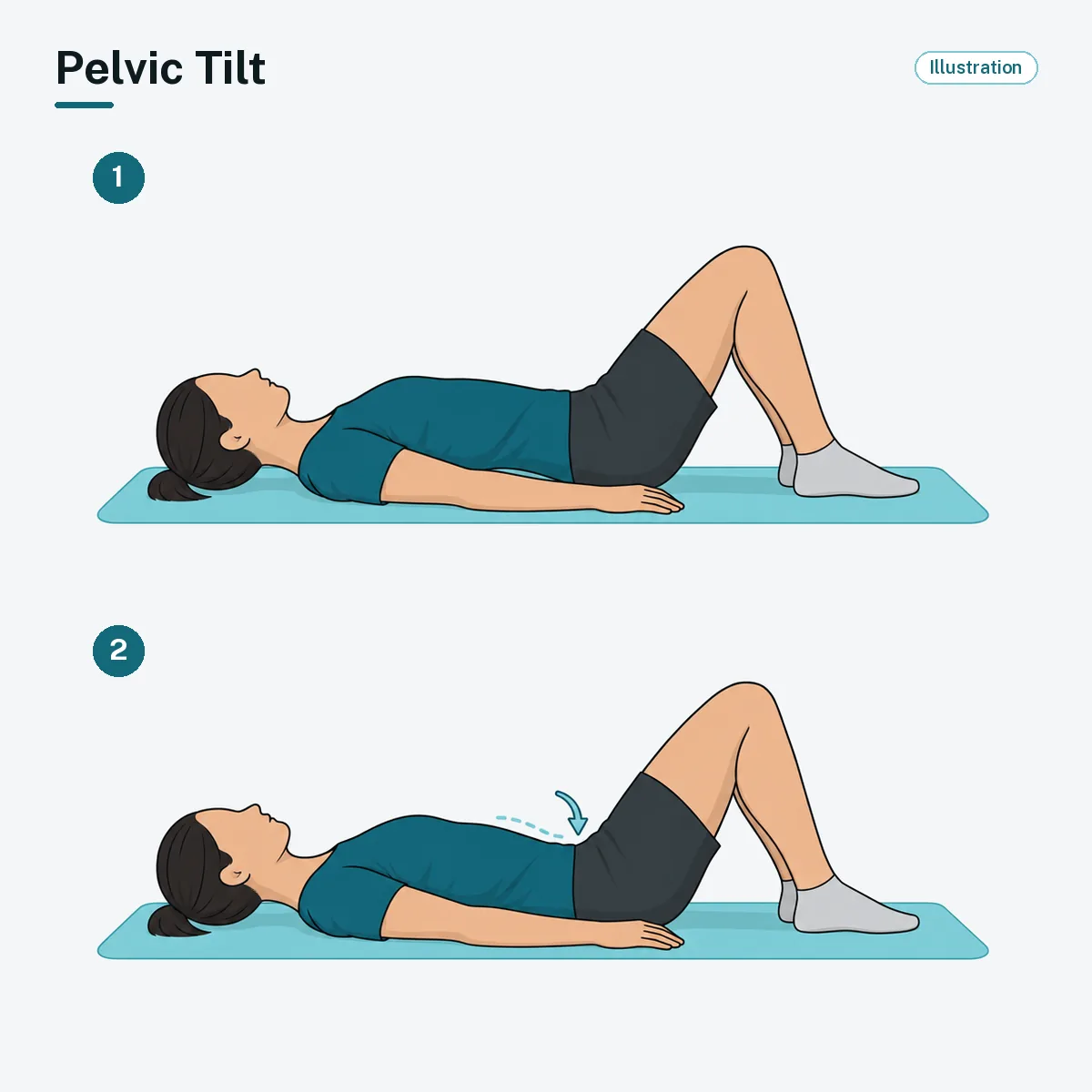 Pelvic tilt: Lie on your back with knees bent. Flatten your low back into the floor by tightening your stomach. Hold 5 seconds. Repeat 10 times.
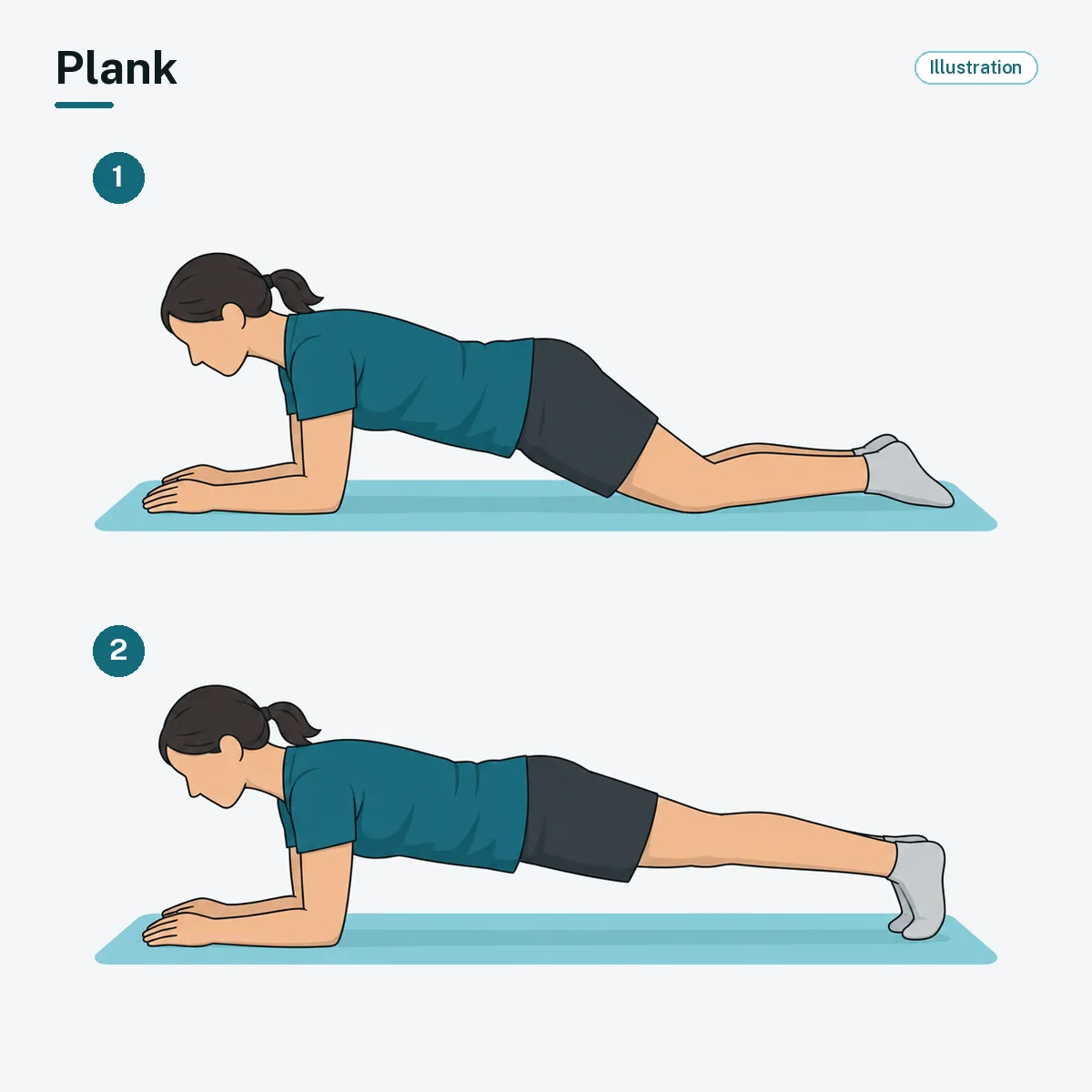 Plank: Rest on your forearms and knees (or toes for more challenge), elbows under your shoulders. Tighten your stomach and keep your body in a straight line from head to knees or heels. Hold 10–30 seconds. Repeat 3 times. Stop if it increases back or leg pain.
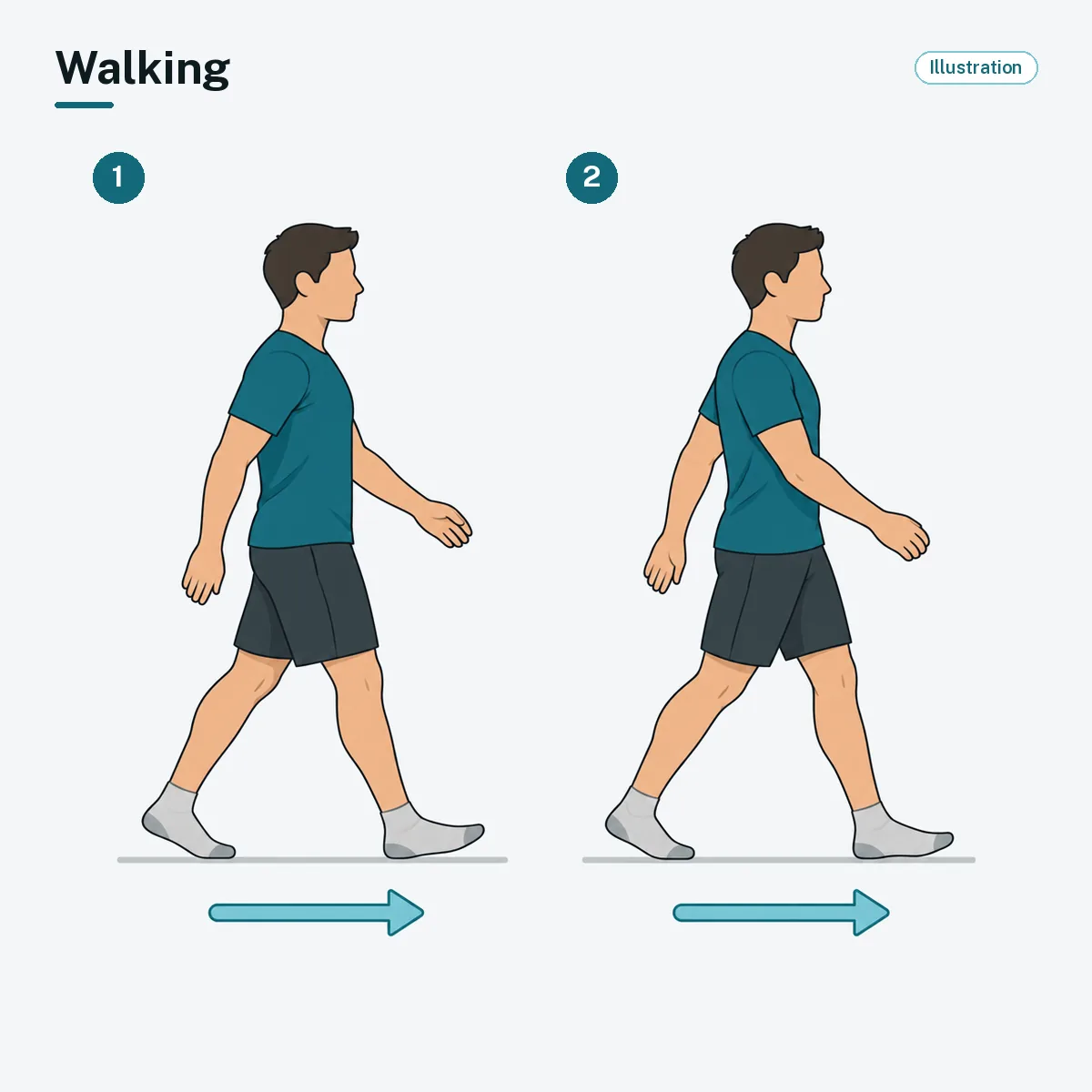 Walking: Short, frequent walks of 10–15 minutes, as tolerated.
Frequently asked questions
When should I see a doctor for sciatica?
Seek care right away if you have new loss of bladder or bowel control, numbness in the groin or inner thighs, or rapidly worsening leg weakness. Weakness in the leg or foot is also worth discussing with your physician. Your physician may ask how the pain started, where it travels, and what makes it better or worse.
Do I need an MRI for sciatica?
Not everyone needs new imaging. At your visit, a physical exam may check your strength, reflexes, sensation, and nerve tension, and any prior MRI or X-rays can be reviewed. New imaging or nerve testing (EMG) may be ordered if needed, and your physician can help decide what is right for you.
How is sciatica treated without surgery?
Many people improve without surgery when they receive the right care. Options may include activity modification, medications, physical therapy, epidural steroid injections, selective nerve root blocks, and, for selected patients, regenerative options. Surgical referral is considered when weakness progresses or pain does not respond to other care. Your physician can help choose an approach.
Can an injection help me do physical therapy for sciatica?
When pain makes it hard to progress with physical therapy or home exercise, an image-guided injection may calm inflammation and reduce pain so you can participate more fully. The goal is to help your exercise program work better, not to replace it. Your physician can discuss whether an injection may be an option for you.
Sources
- Low back pain and sciatica in over 16s: assessment and management (NG59). National Institute for Health and Care Excellence (NICE), 2016, updated 2020.
- Diagnosis and treatment of low back pain: a joint clinical practice guideline from the American College of Physicians and the American Pain Society. Annals of Internal Medicine, 2007.
- Epidural corticosteroid injections for radiculopathy and spinal stenosis: a systematic review and meta-analysis. Annals of Internal Medicine, 2015.
Last updated: October 2026
