
Low Back Pain (Lumbar Arthritis and Spondylosis)
Low back pain is one of the most common reasons people see a doctor. Age-related changes in the discs and small joints of the spine, known as lumbar spondylosis, can contribute to long-lasting back pain, although these changes are also common in people without pain. An accurate diagnosis helps guide targeted treatment aimed at lasting relief.
Reviewed by Samuel Rosenberg, DO, FAAPMR
- Low back pain is one of the most common reasons people see a doctor.
- Common symptoms: dull, aching pain across the lower back; stiffness, especially in the morning or after sitting; pain that worsens with standing, arching back, or twisting; pain that may spread to the buttocks or upper thighs.
- Treatment options: Physical therapy, medications, facet joint injections and medial branch blocks, radiofrequency ablation (RFA), sacroiliac joint injections, trigger point injections, regenerative medicine.
- An accurate diagnosis helps guide targeted treatment aimed at lasting relief.
- Seek care right away if back pain comes with new loss of bladder or bowel control, numbness in the groin or inner thighs, leg weakness that is getting worse, fever, a history of cancer, unexplained weight loss, or a recent significant fall or injury.
Understanding low back pain
The lumbar spine has five vertebrae separated by cushioning discs and linked by small facet joints. Over time, discs can lose height and the facet joints can develop arthritis. These changes may cause pain in the back itself, often without pain going down the legs. Muscle strain, poor posture, and the sacroiliac (SI) joints can also contribute.
Common symptoms
- Dull, aching pain across the lower back
- Stiffness, especially in the morning or after sitting
- Pain that worsens with standing, arching back, or twisting
- Pain that may spread to the buttocks or upper thighs
- Muscle tightness or spasm
Seek care right away if back pain comes with new loss of bladder or bowel control, numbness in the groin or inner thighs, leg weakness that is getting worse, fever, a history of cancer, unexplained weight loss, or a recent significant fall or injury.
Treatment options
- Physical therapy: Core and hip strengthening, flexibility, and posture training.
- Medications: Anti-inflammatories, muscle relaxants, and topical treatments.
- Medial branch blocks: A test injection that can help show whether the small spinal joints are a main source of pain, and whether radiofrequency ablation may help. Facet joint injections may give short-term relief for some people.
- Radiofrequency ablation (RFA): Uses heat to calm the small nerves carrying arthritis pain. For people whose pain is confirmed by medial branch blocks, relief may last several months, although study results are mixed.
- Sacroiliac joint injections: For pain coming from the joint between the spine and pelvis.
- Trigger point injections: For painful muscle knots.
- Regenerative medicine: PRP or other orthobiologics may be an option for selected patients.
Injections to support your therapy: When pain makes it hard to progress with physical therapy or home exercise, an image-guided injection may calm inflammation and reduce pain so you can participate more fully. The goal is to help your exercise program work better, not to replace it. Learn more about facet injections and medial branch blocks.
What to expect at your visit
We begin with a detailed history: when the pain started, what aggravates it, and how it affects your day. The exam evaluates spinal motion, tenderness, strength, reflexes, and the hips and SI joints. We review your imaging and order new studies only when they will change your care. The goal is for you to leave with a diagnosis and a clear plan.
Home exercises
Move slowly and stay within a comfortable range.
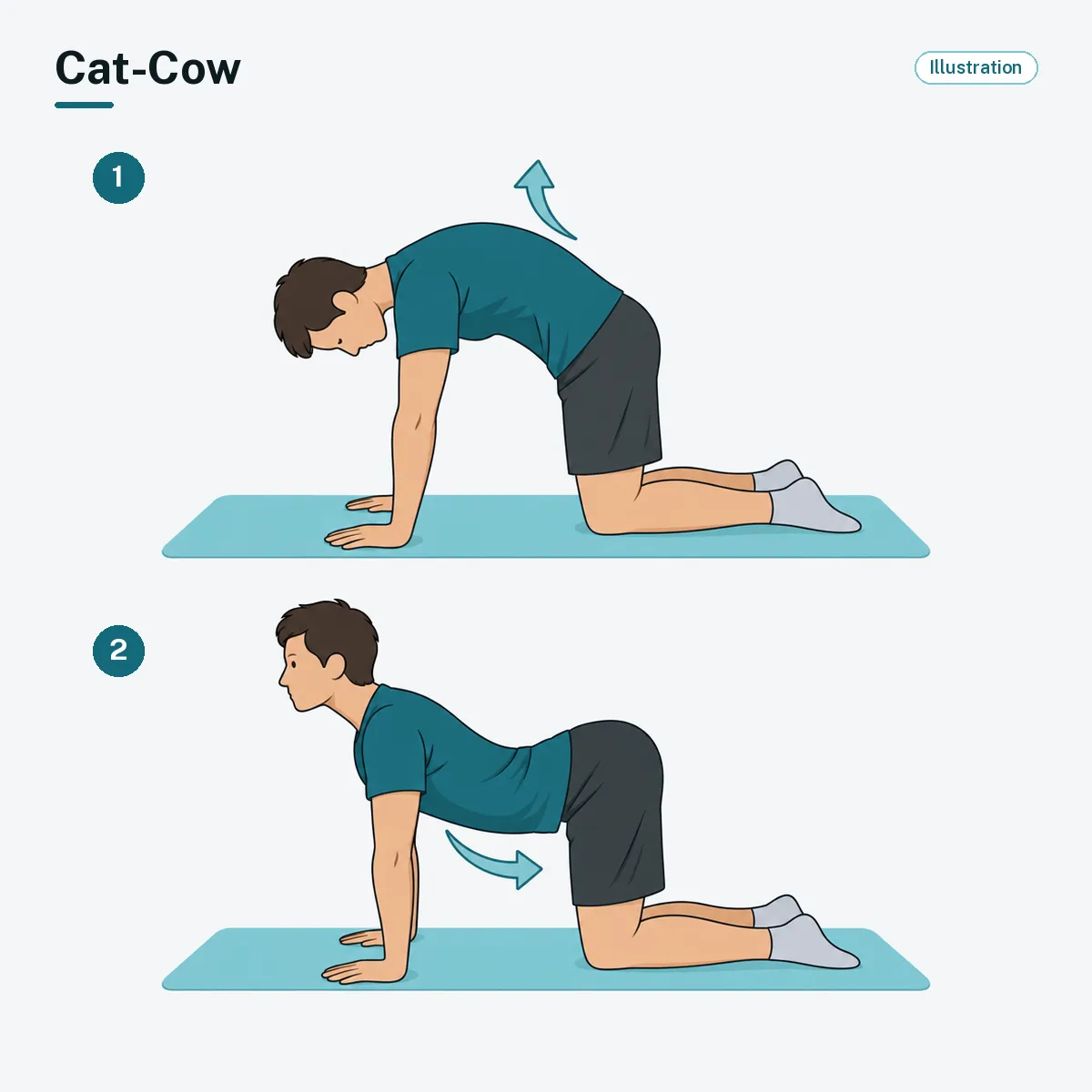 Cat-cow: On hands and knees, slowly round your back up, then let it sag gently. Repeat 10 times.
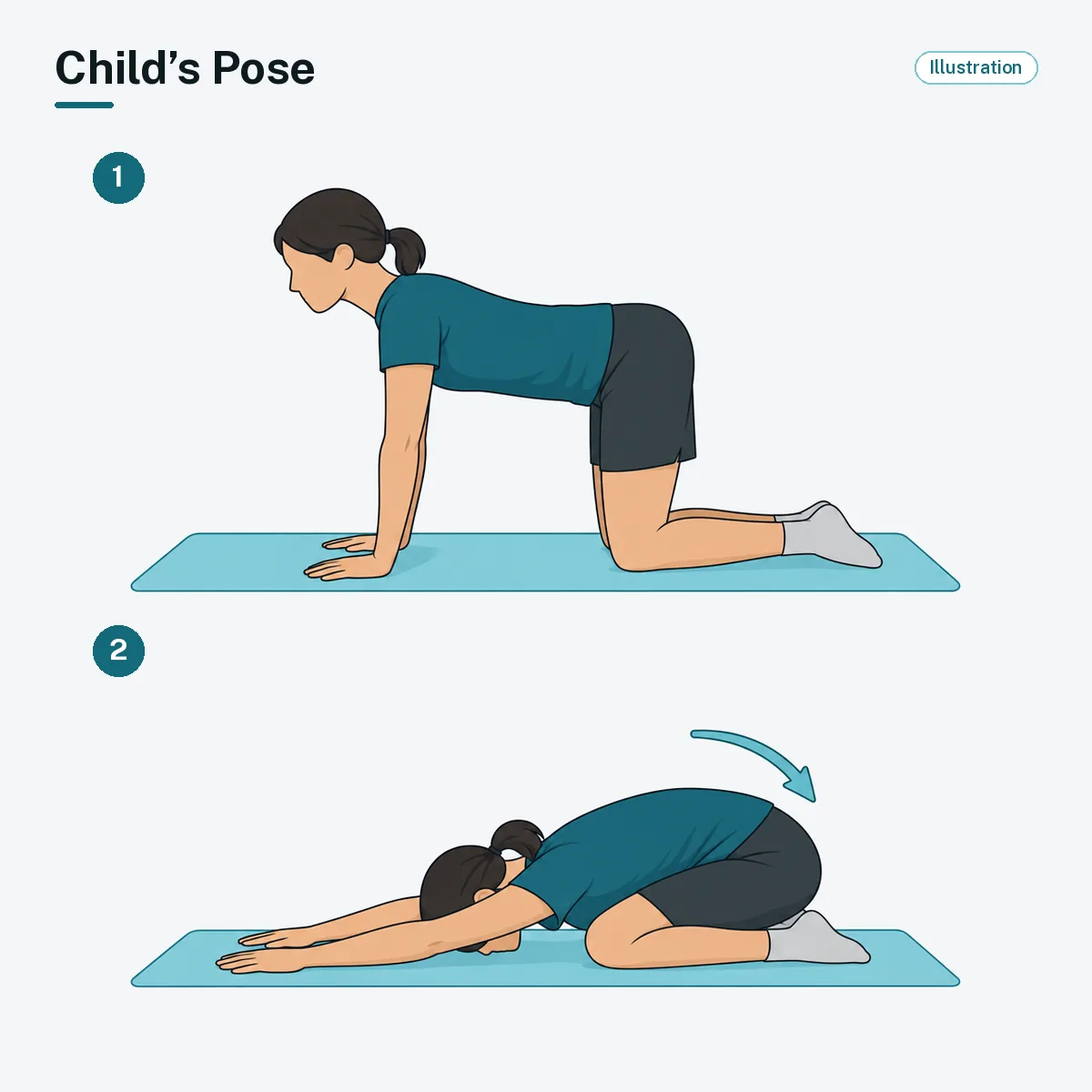 Child’s pose: From hands and knees, sit back toward your heels with arms reaching forward. Hold 20–30 seconds. Repeat 3 times.
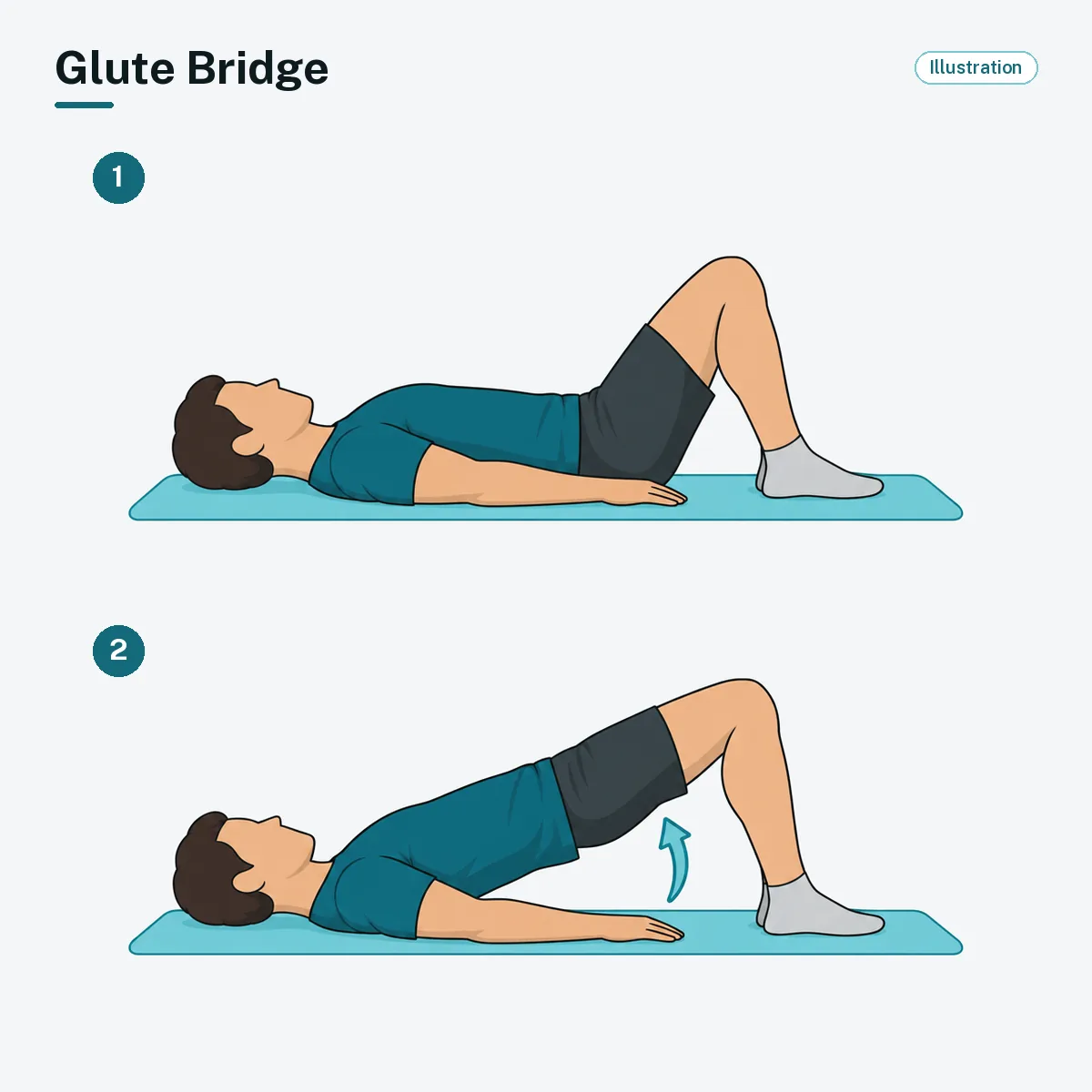 Glute bridge: Lie on your back with knees bent. Squeeze your buttocks and lift your hips. Hold 3 seconds. Repeat 10 times.
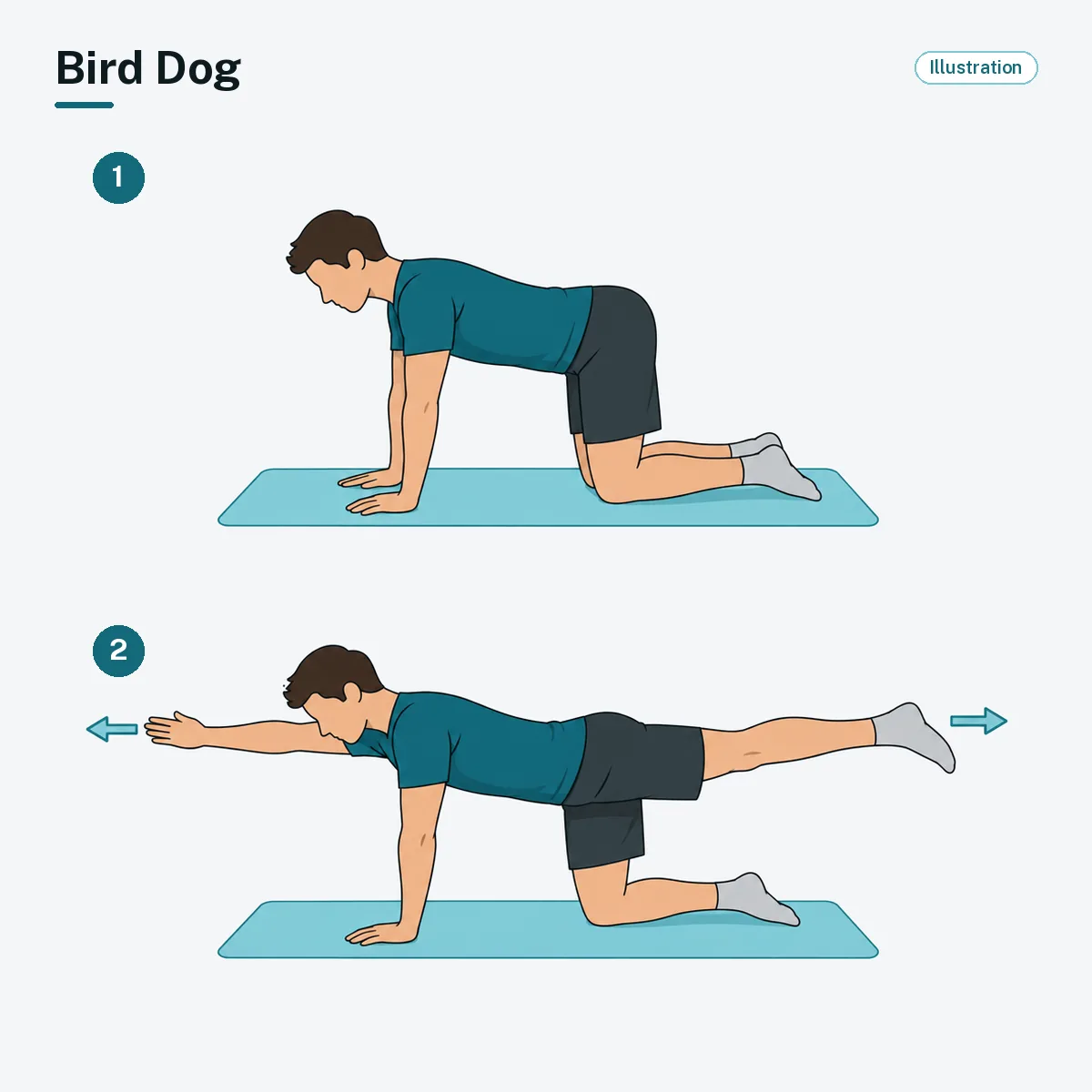 Bird dog: On hands and knees, extend one arm and the opposite leg. Hold 5 seconds. Repeat 8 times per side.
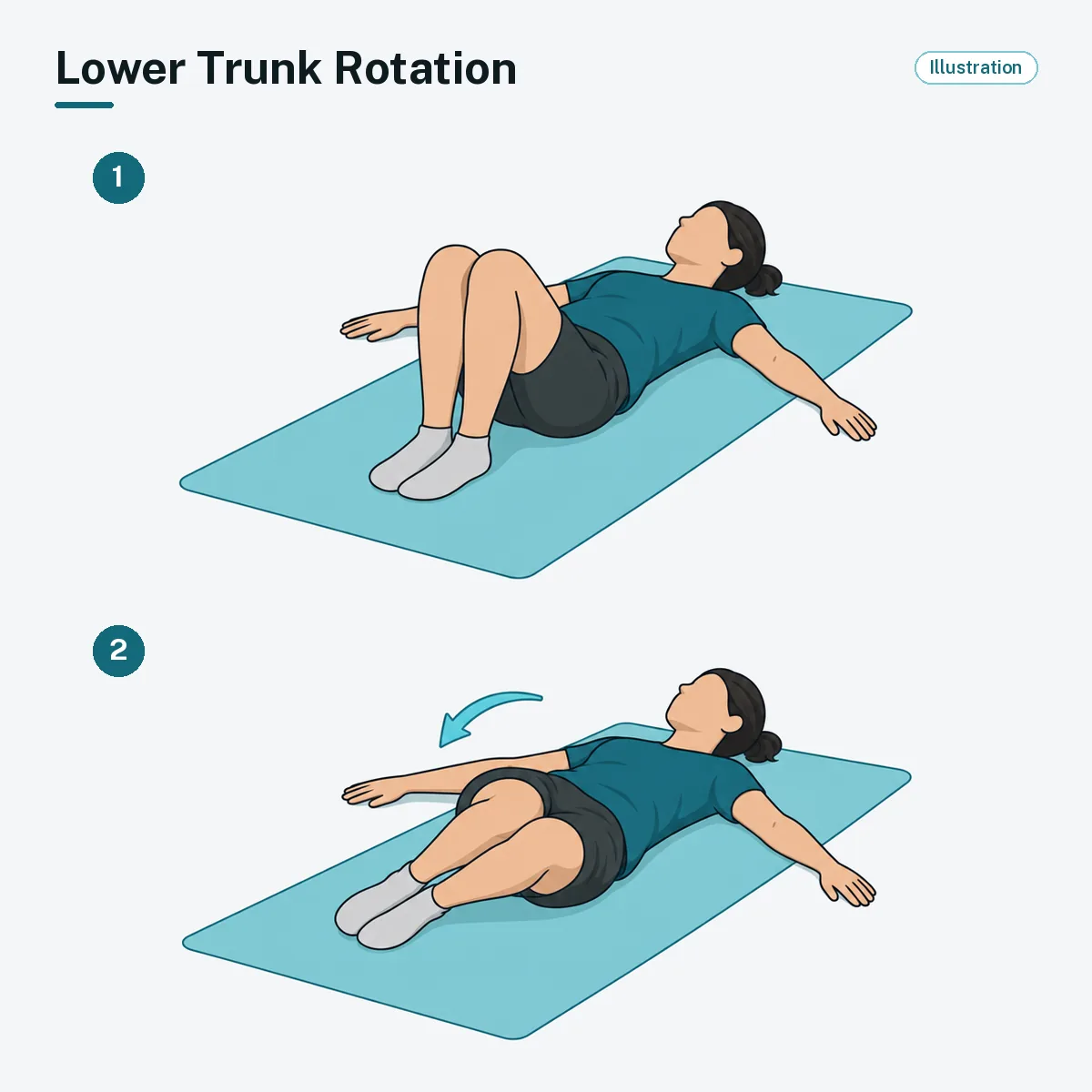 Lower trunk rotation: Lie on your back with knees bent and let them fall gently side to side. Repeat 10 times.
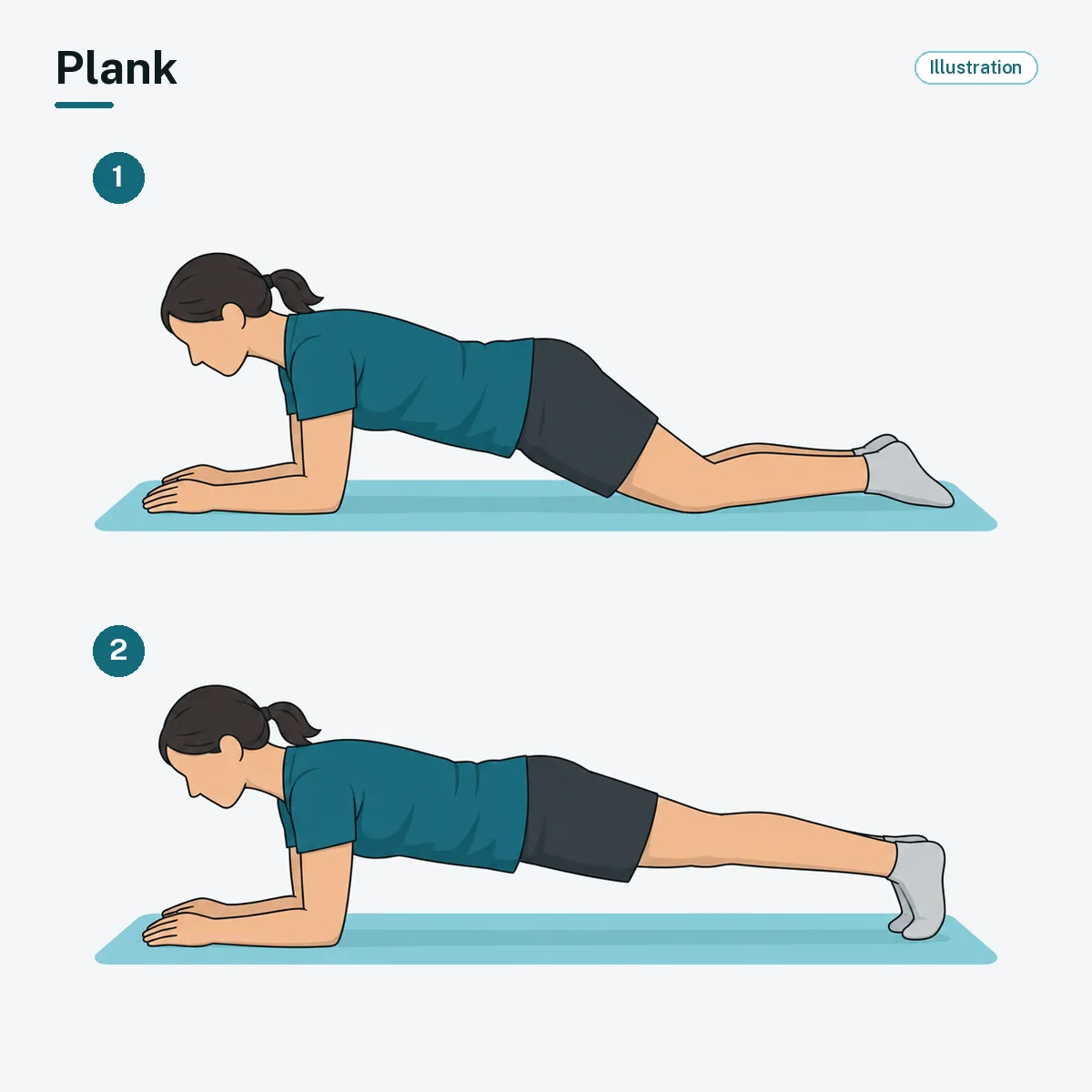 Plank: Rest on your forearms and knees (or toes for more challenge), elbows under your shoulders. Tighten your stomach and keep your body in a straight line from head to knees or heels. Hold 10–30 seconds. Repeat 3 times. Stop if it increases back or leg pain.
Frequently asked questions
Do I need an MRI for low back pain?
Not everyone with low back pain needs new imaging. At your visit we review any imaging you already have and order new studies only when they are likely to change your care. Your physician can help decide whether testing is useful in your case, based on your history and exam.
What are the treatment options for low back pain without surgery?
Many people with low back pain are helped by nonsurgical care. Options may include physical therapy, medications such as anti-inflammatories, muscle relaxants, and topical treatments, and injections such as facet joint injections and medial branch blocks, sacroiliac joint injections, or trigger point injections. Radiofrequency ablation may also be considered, and regenerative medicine such as PRP may be an option for selected patients. Your physician can help decide what fits you.
Can injections help me do physical therapy for low back pain?
When pain makes it hard to progress with physical therapy or home exercise, an image-guided injection may calm inflammation and reduce pain so you can take part more fully. The goal is to help your exercise program work better, not to replace it. Your physician can help decide if an injection makes sense for you.
What exercises help low back pain at home?
Home exercises may be part of your plan. Examples include cat-cow, child's pose, glute bridge, bird dog, lower trunk rotation, and a plank on forearms with knees or toes down. Move slowly, stay within a comfortable range, and stop the plank if it increases back or leg pain. Your physician can advise what is right for you.
Sources
- Low back pain and sciatica in over 16s: assessment and management (NG59). National Institute for Health and Care Excellence (NICE), 2016, updated 2020.
- Diagnosis and treatment of low back pain: a joint clinical practice guideline from the American College of Physicians and the American Pain Society. Annals of Internal Medicine, 2007.
- Systematic literature review of imaging features of spinal degeneration in asymptomatic populations. American Journal of Neuroradiology, 2015.
- Effect of radiofrequency denervation on pain intensity among patients with chronic low back pain: the MINT randomized clinical trials. JAMA, 2017.
Last updated: October 2026
