
Back Pain After Spine Surgery (Failed Back Surgery Syndrome)
Some people continue to have back or leg pain after spine surgery, or the pain returns later. This is sometimes called failed back surgery syndrome or post-laminectomy syndrome. It does not mean nothing more can be done. Many non-surgical options can help reduce pain and improve function.
Reviewed by Samuel Rosenberg, DO, FAAPMR
- Some people continue to have back or leg pain after spine surgery, or the pain returns later.
- Common symptoms: ongoing low back pain after surgery; leg pain, numbness, or tingling that persists or returns; stiffness and reduced flexibility; pain with sitting, standing, or walking.
- Treatment options: Comprehensive re-evaluation, physical therapy, nerve pain medications, epidural steroid injections, facet and sacroiliac joint injections, and radiofrequency ablation, coordination with your surgeon.
- Many non-surgical options can help reduce pain and improve function.
- Seek care right away for fever, redness or drainage at the incision, new loss of bladder or bowel control, numbness in the groin, or leg weakness that is getting worse.
Understanding pain after spine surgery
Pain after surgery can have many causes. Scar tissue may form around a nerve. The levels above or below a fusion can wear faster. A disc can herniate again, or the original nerve may have been damaged before surgery. Muscle weakness and changes in how you move can also contribute. Identifying the specific source is an important step in treatment.
Common symptoms
- Ongoing low back pain after surgery
- Leg pain, numbness, or tingling that persists or returns
- Stiffness and reduced flexibility
- Pain with sitting, standing, or walking
- Muscle spasms
Seek care right away for fever, redness or drainage at the incision, new loss of bladder or bowel control, numbness in the groin, or leg weakness that is getting worse.
Treatment options
- Comprehensive re-evaluation: Reviewing surgical history and new imaging to find the pain source.
- Physical therapy: Core and hip strengthening and movement retraining.
- Nerve pain medications: To help calm irritated nerves.
- Epidural steroid injections: For nerve inflammation above or near the surgical site.
- Facet and sacroiliac joint injections, and radiofrequency ablation: For joint-related pain.
- Coordination with your surgeon: When a new surgical problem is suspected.
Injections to support your therapy: When pain makes it hard to progress with physical therapy or home exercise, an image-guided injection may calm inflammation and reduce pain so you can participate more fully. The goal is to help your exercise program work better, not to replace it. Learn more about epidural steroid injections.
What to expect at your visit
Please bring your operative reports and imaging from before and after surgery. Your physician will review your history and how your symptoms have changed. The exam checks strength, sensation, reflexes, and spinal motion. We may order an updated MRI or nerve testing. You will leave with a clear plan.
Home exercises
Follow any restrictions from your surgeon. Avoid heavy lifting and twisting.
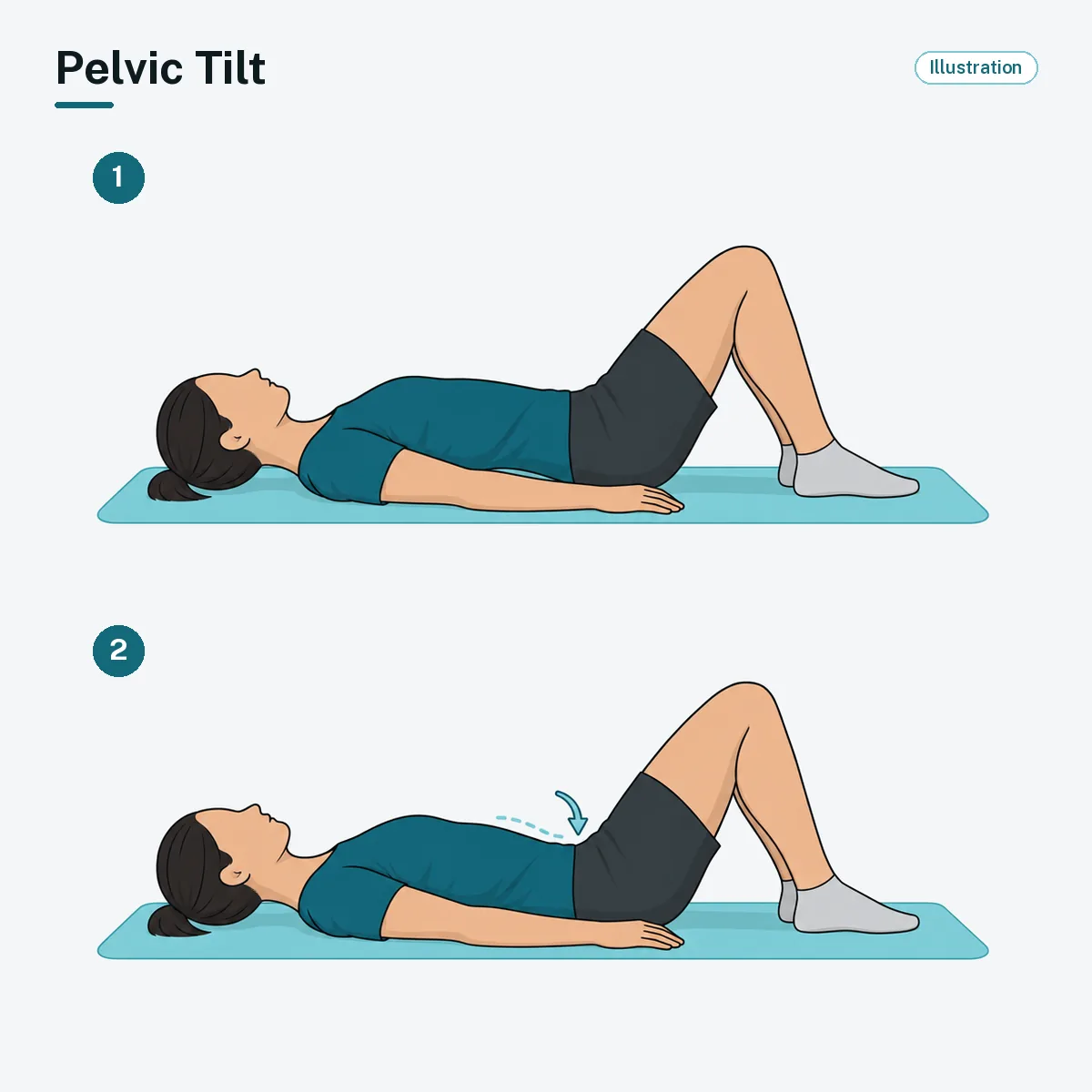 Pelvic tilt: Lie on your back with knees bent and flatten your back into the floor. Hold 5 seconds. Repeat 10 times.
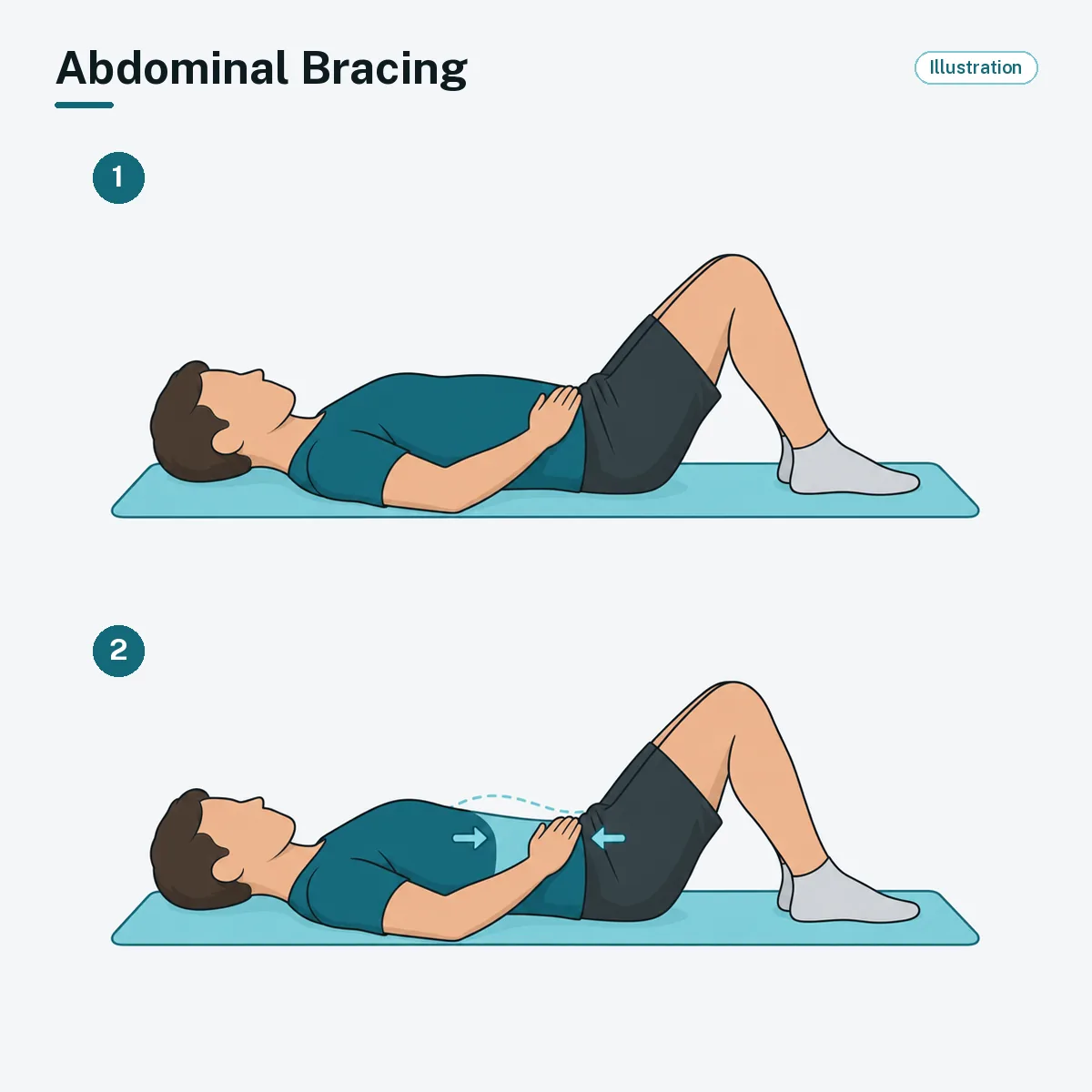 Abdominal bracing: Lie on your back and gently tighten your stomach muscles as if bracing for a cough. Hold 10 seconds. Repeat 10 times.
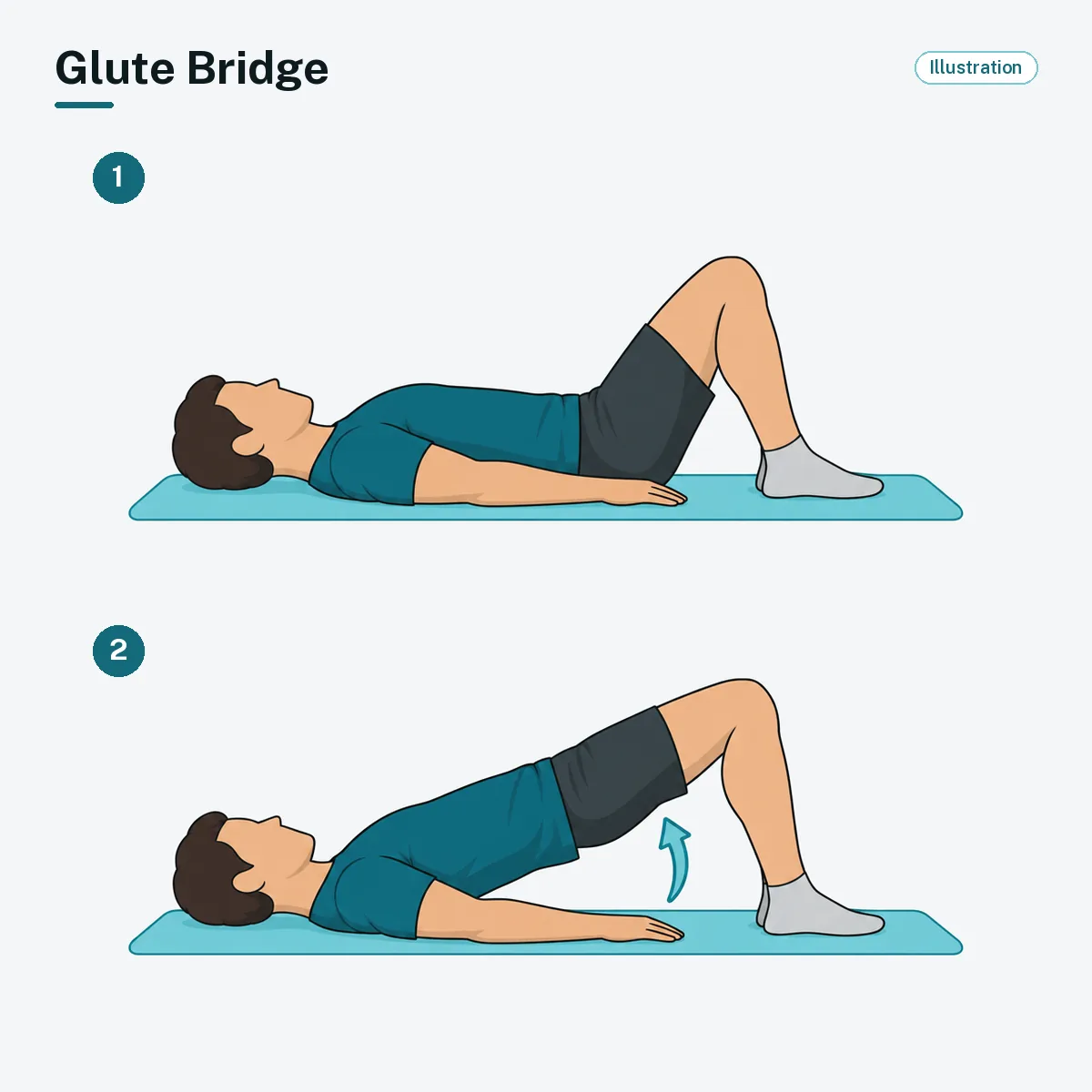 Glute bridge: Lie on your back with knees bent. Lift your hips. Hold 3 seconds. Repeat 10 times.
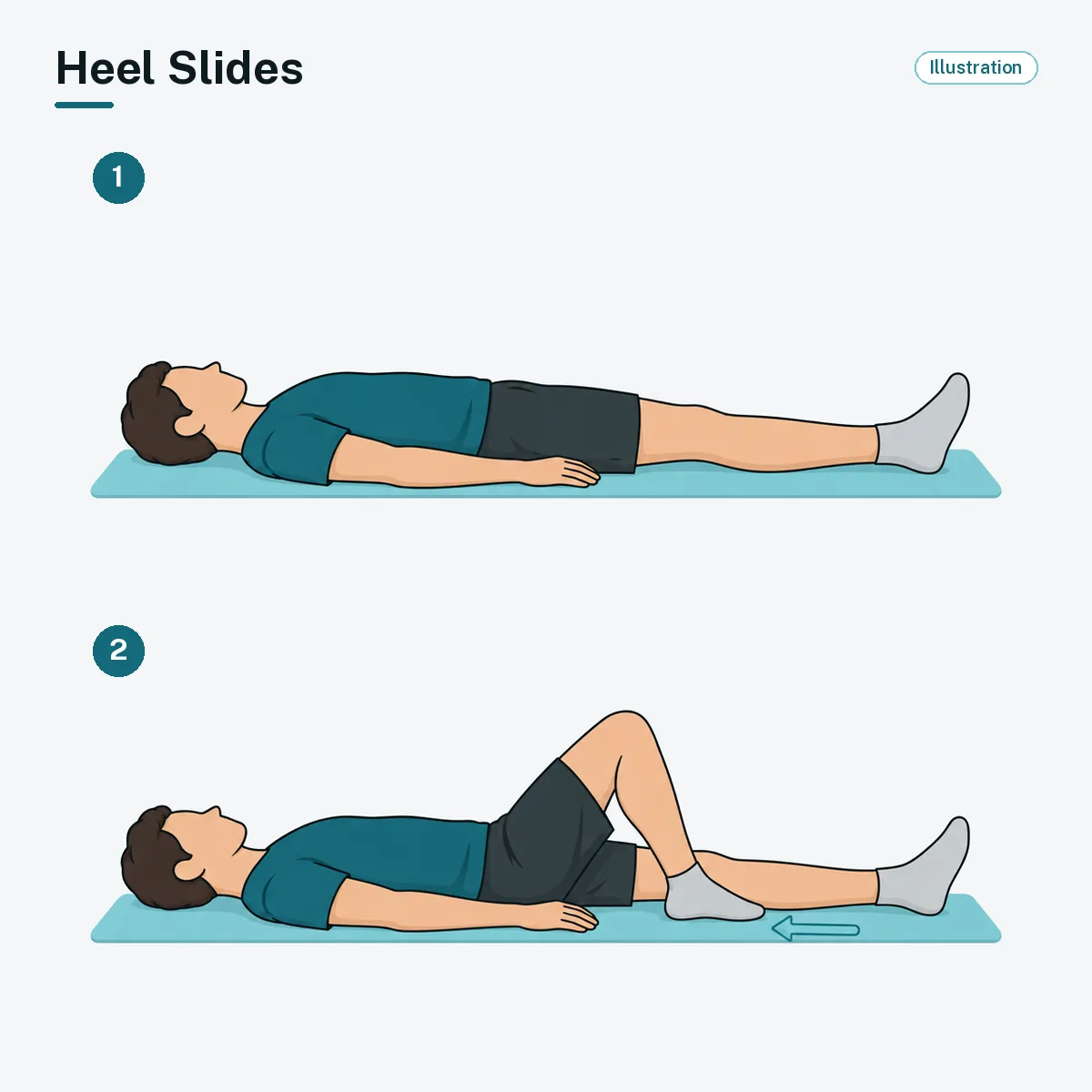 Heel slides: Lie on your back and slowly slide one heel toward your buttock, then straighten. Repeat 10 times per side.
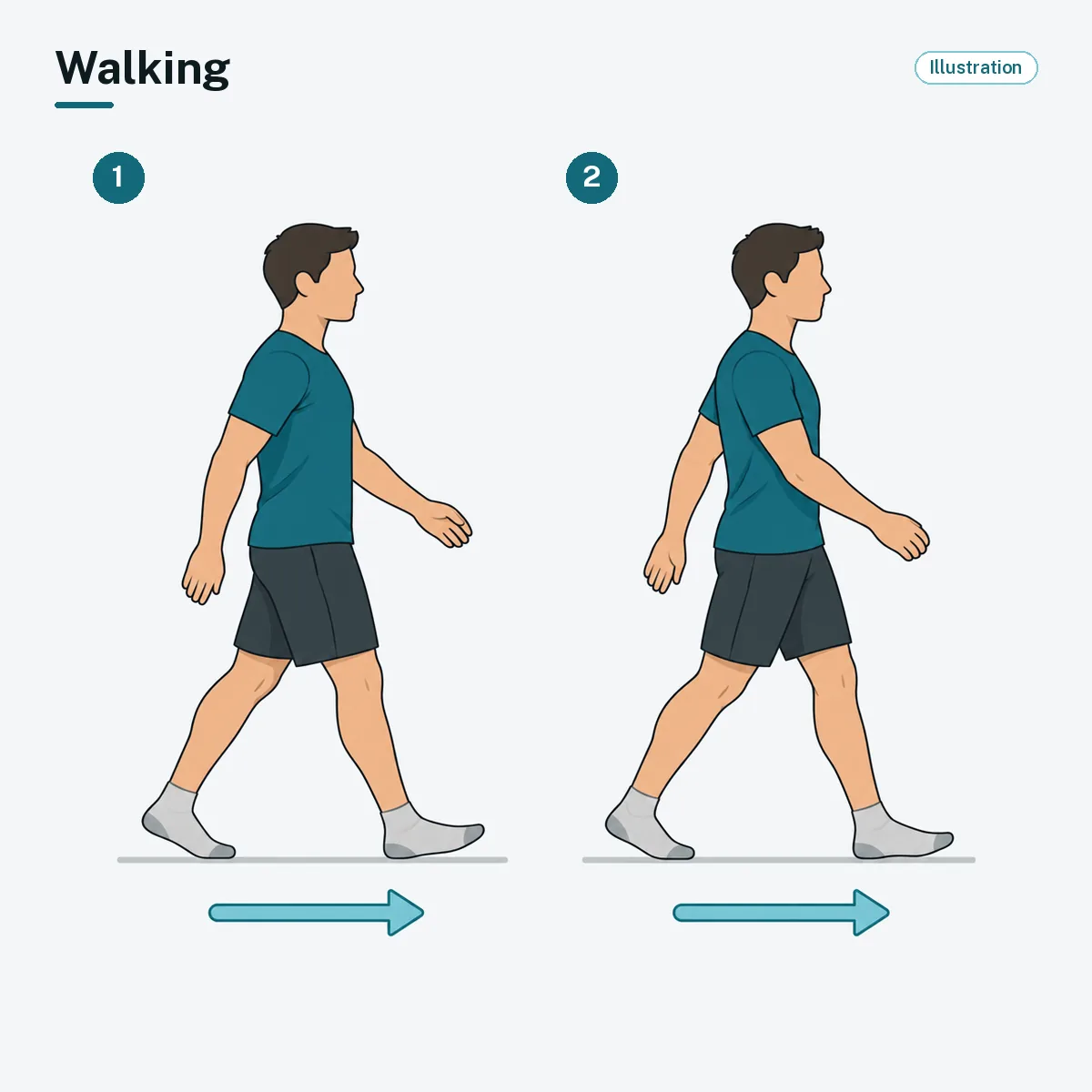 Walking program: Short, frequent walks, increasing gradually as tolerated.
Frequently asked questions
When should I see a doctor for back pain after spine surgery?
If your back or leg pain continues after spine surgery, or it comes back later, it is reasonable to be re-evaluated. Pain after surgery can have many causes, and finding the specific source is an important step in treatment. Your physician can review your history, check strength, sensation, reflexes, and spinal motion, and coordinate with your surgeon if a new surgical problem is suspected.
Do I need an MRI or other tests for failed back surgery syndrome?
Your physician may order an updated MRI or nerve testing, depending on your exam and how your symptoms have changed. It also helps to bring your operative reports and imaging from before and after surgery so your records can be reviewed together. Your physician can help decide which tests, if any, are useful in your case.
What are the non-surgical treatment options for back pain after spine surgery?
Continued pain after surgery does not mean nothing more can be done. Many non-surgical options can help reduce pain and improve function, including a comprehensive re-evaluation, physical therapy, and nerve pain medications. Epidural steroid injections, facet and sacroiliac joint injections, and radiofrequency ablation may also be considered. Your physician can help decide which options fit your situation.
Can injections help me do physical therapy after spine surgery?
When pain makes it hard to progress with physical therapy or home exercise, an image-guided injection may calm inflammation and reduce pain so you can take part more fully. The goal is to help your exercise program work better, not to replace it. Your physician can help decide whether an injection fits your situation.
Sources
- Low back pain and sciatica in over 16s: assessment and management (NG59). National Institute for Health and Care Excellence (NICE), 2016, updated 2020.
- Diagnosis and treatment of low back pain: a joint clinical practice guideline from the American College of Physicians and the American Pain Society. Annals of Internal Medicine, 2007.
Last updated: October 2026
