
Lumbar Spinal Stenosis
Lumbar spinal stenosis is a narrowing of the spinal canal in the lower back. It is a common cause of leg pain with walking in adults over 60. Non-surgical treatment can help many people walk farther with less pain.
Reviewed by Samuel Rosenberg, DO, FAAPMR
- Lumbar spinal stenosis is a narrowing of the spinal canal in the lower back.
- Common symptoms: pain, heaviness, or cramping in the buttocks and legs when standing or walking; relief when sitting or leaning forward, such as on a shopping cart; numbness or tingling in the legs or feet; low back pain and stiffness.
- Treatment options: Physical therapy, medications, epidural steroid injections, minimally invasive procedures, assistive devices, surgical referral.
- Non-surgical treatment can help many people walk farther with less pain.
- Seek care right away for new bladder or bowel problems, or numbness in the groin.
Understanding spinal stenosis
With age, thickened ligaments, bulging discs, and arthritic bone spurs can crowd the space around the nerves in the lower spine. This pressure is often worse when standing upright and better when bending forward, which opens the canal. Doctors call the leg symptoms that come with walking neurogenic claudication.
Common symptoms
- Pain, heaviness, or cramping in the buttocks and legs when standing or walking
- Relief when sitting or leaning forward, such as on a shopping cart
- Numbness or tingling in the legs or feet
- Low back pain and stiffness
- Leg weakness or balance problems
Seek care right away for new bladder or bowel problems, or numbness in the groin.
Treatment options
- Physical therapy: Flexion-based exercises, core strengthening, and walking programs.
- Medications: Anti-inflammatories and nerve pain medicines.
- Epidural steroid injections: Can be used for pain relief, especially when leg pain from a pinched nerve root is a main symptom. Your physician can discuss whether one makes sense for you.
- Minimally invasive procedures: Options such as interspinous spacers or decompression procedures for selected patients.
- Assistive devices: A walker or cane can allow longer, more comfortable walks.
- Surgical referral: For severe or progressive symptoms.
Injections to support your therapy: When pain makes it hard to progress with physical therapy or home exercise, an image-guided injection may calm inflammation and reduce pain so you can participate more fully. The goal is to help your exercise program work better, not to replace it. Learn more about epidural steroid injections.
What to expect at your visit
Your physician will ask how far you can walk and stand, and what gives relief. The exam checks strength, sensation, reflexes, balance, and circulation in the legs, since blood flow problems can cause similar symptoms. We will review your MRI or order one if needed. Together we create a plan to keep you moving.
Home exercises
Forward-bending positions often feel more comfortable. Avoid arching your back.
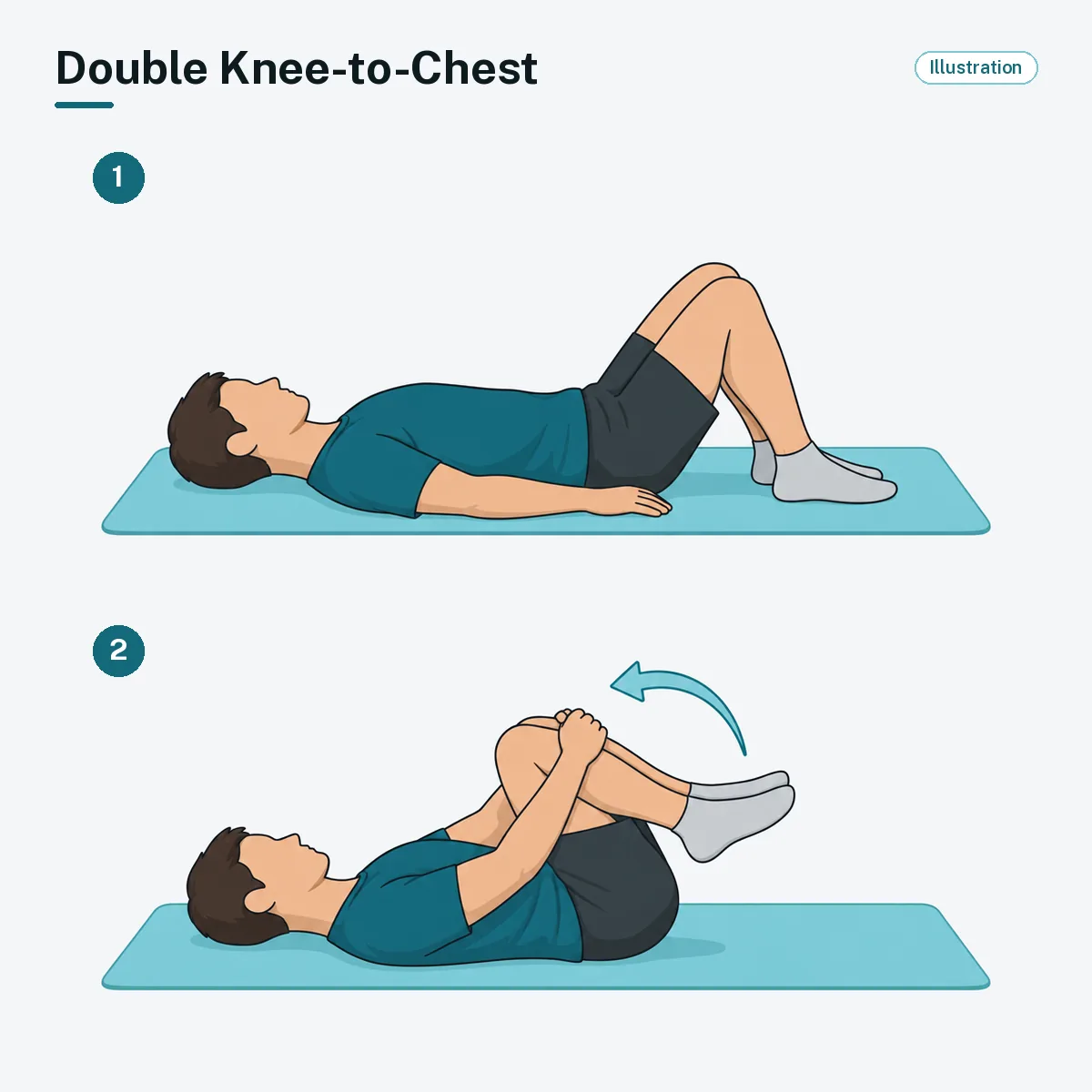 Double knee-to-chest: Lie on your back and hug both knees toward your chest. Hold 20–30 seconds. Repeat 3 times.
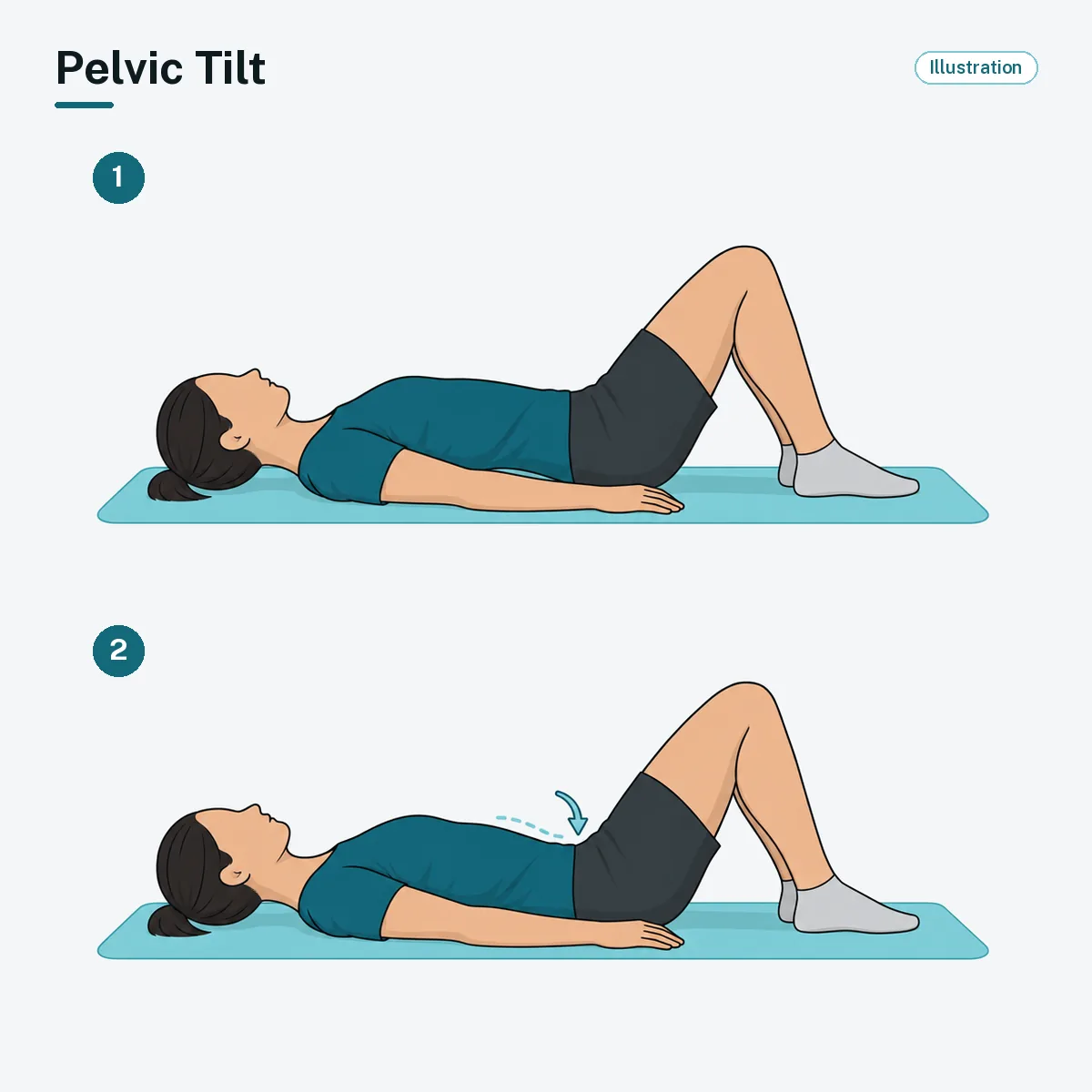 Pelvic tilt: Lie on your back with knees bent and flatten your back into the floor. Hold 5 seconds. Repeat 10 times.
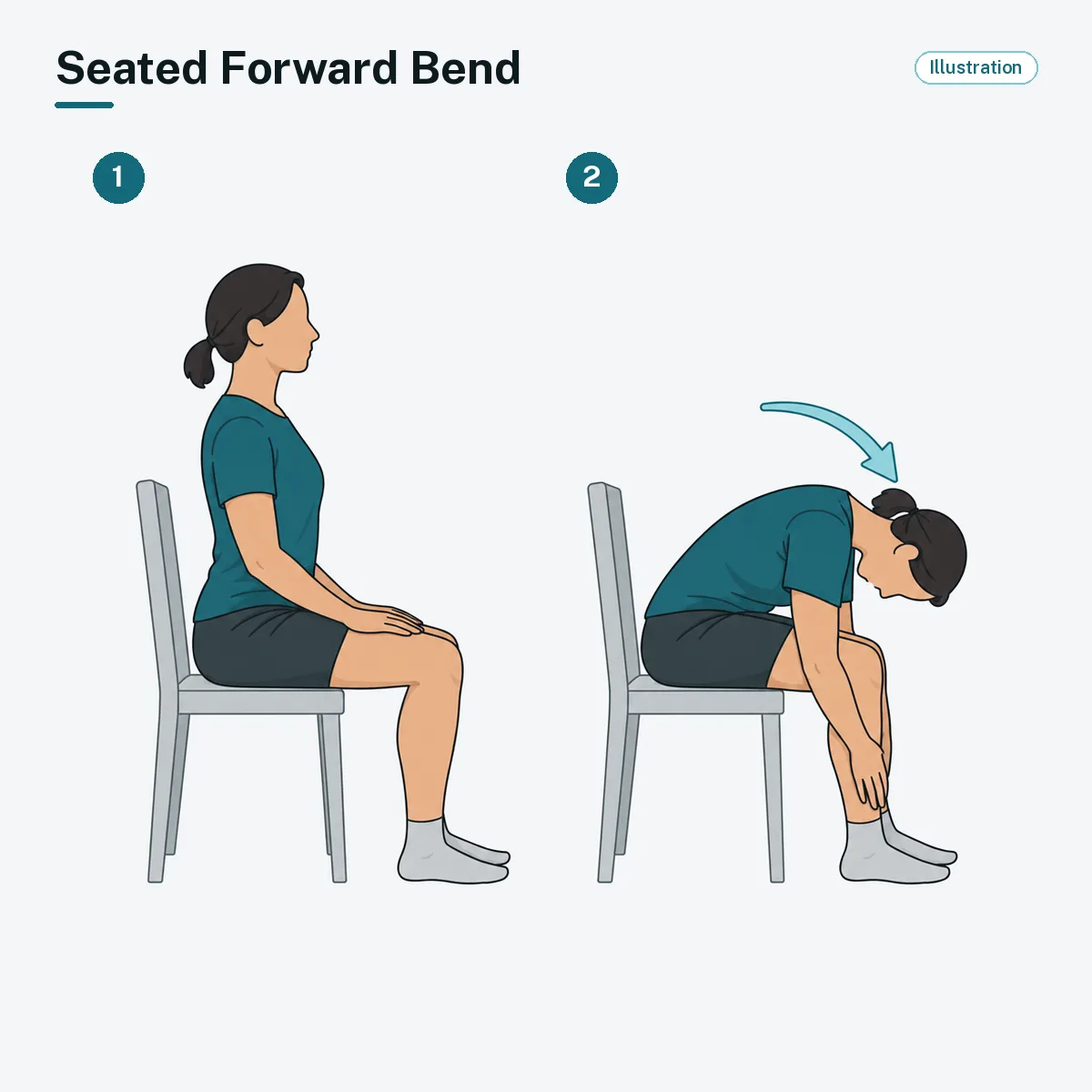 Seated forward bend: Sit in a chair and slowly bend forward toward your knees. Hold 20 seconds. Repeat 3 times.
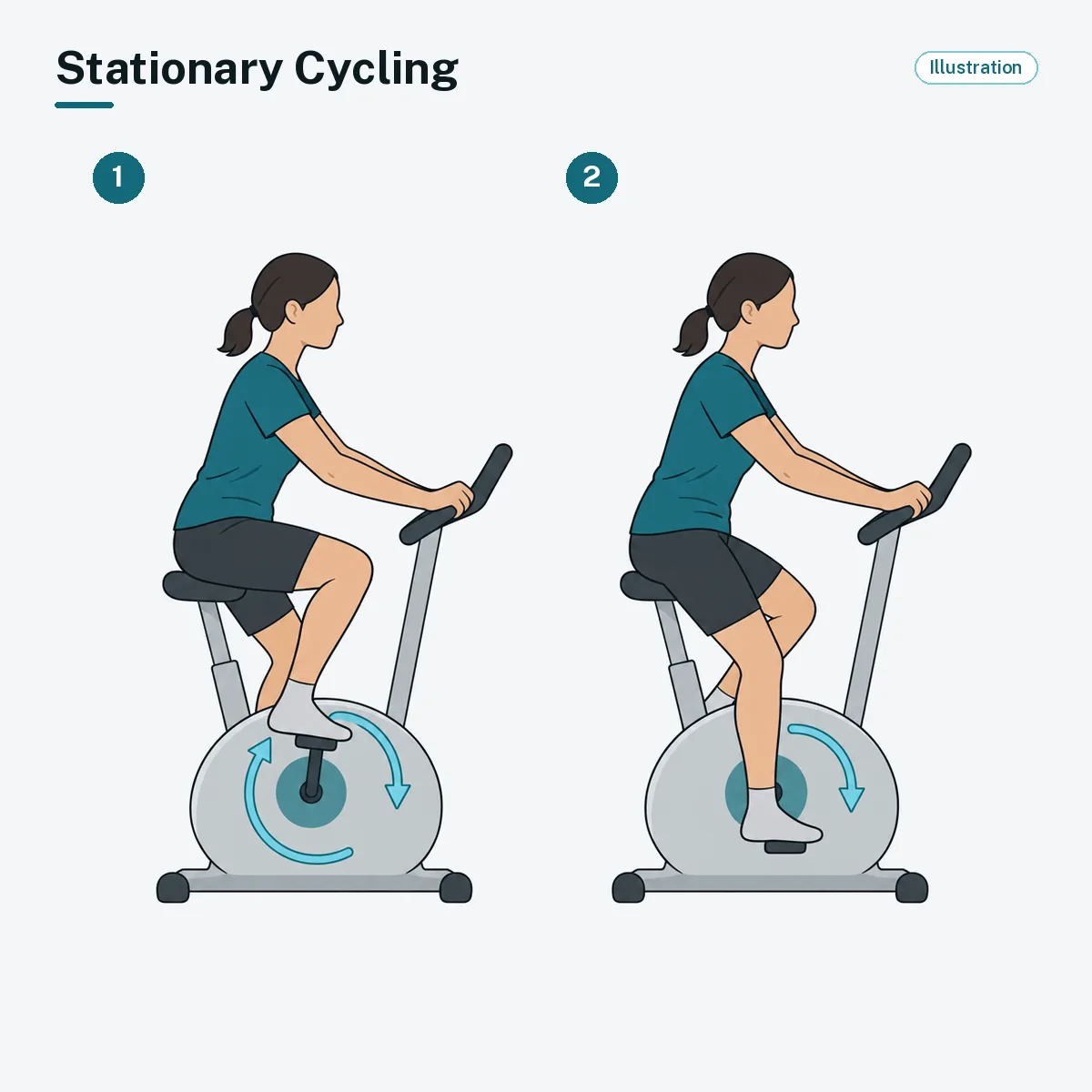 Stationary cycling: The slightly forward position is often well tolerated. 10–20 minutes.
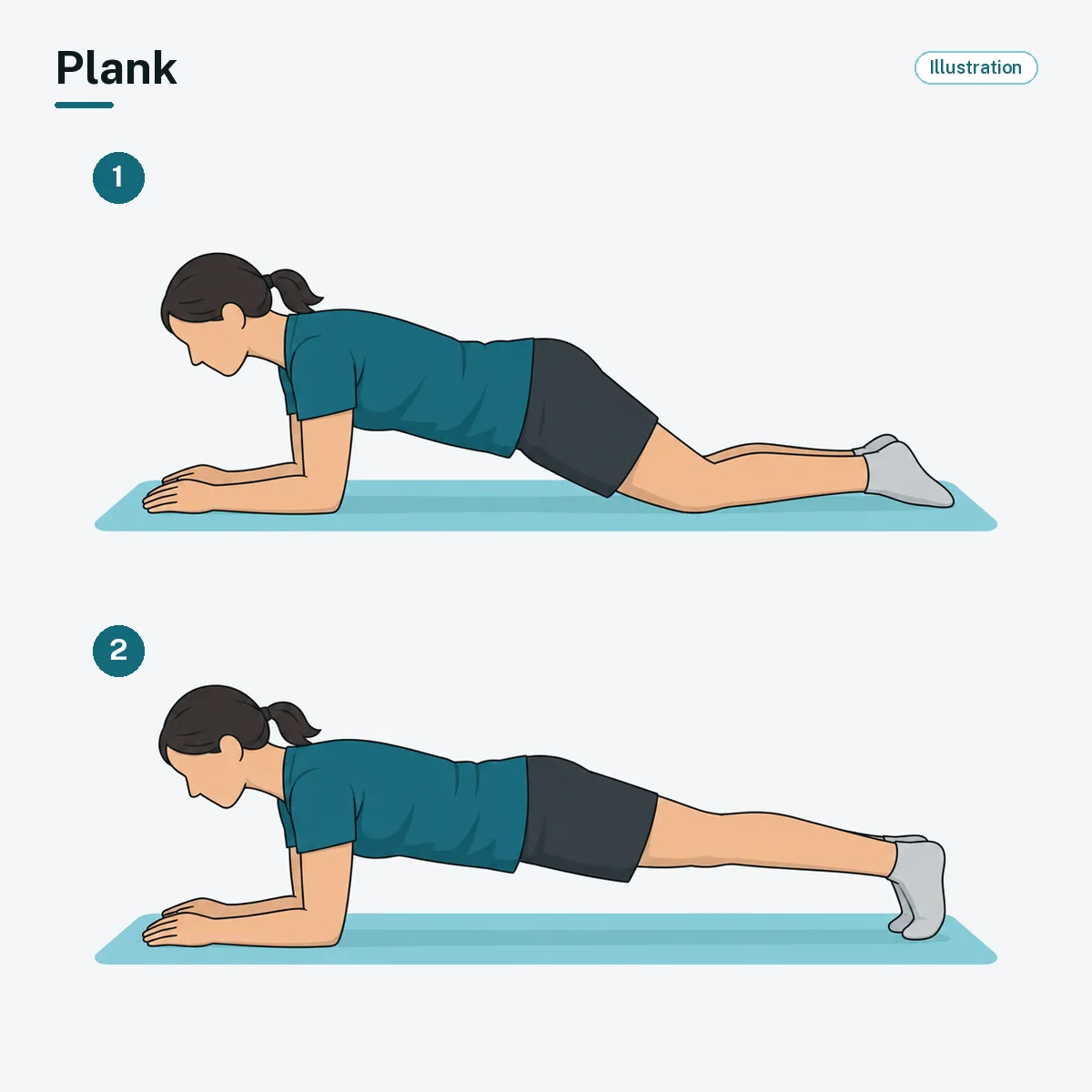 Plank: Rest on your forearms and knees (or toes for more challenge), elbows under your shoulders. Tighten your stomach and keep your body in a straight line from head to knees or heels. Hold 10–30 seconds. Repeat 3 times. Stop if it increases back or leg pain.
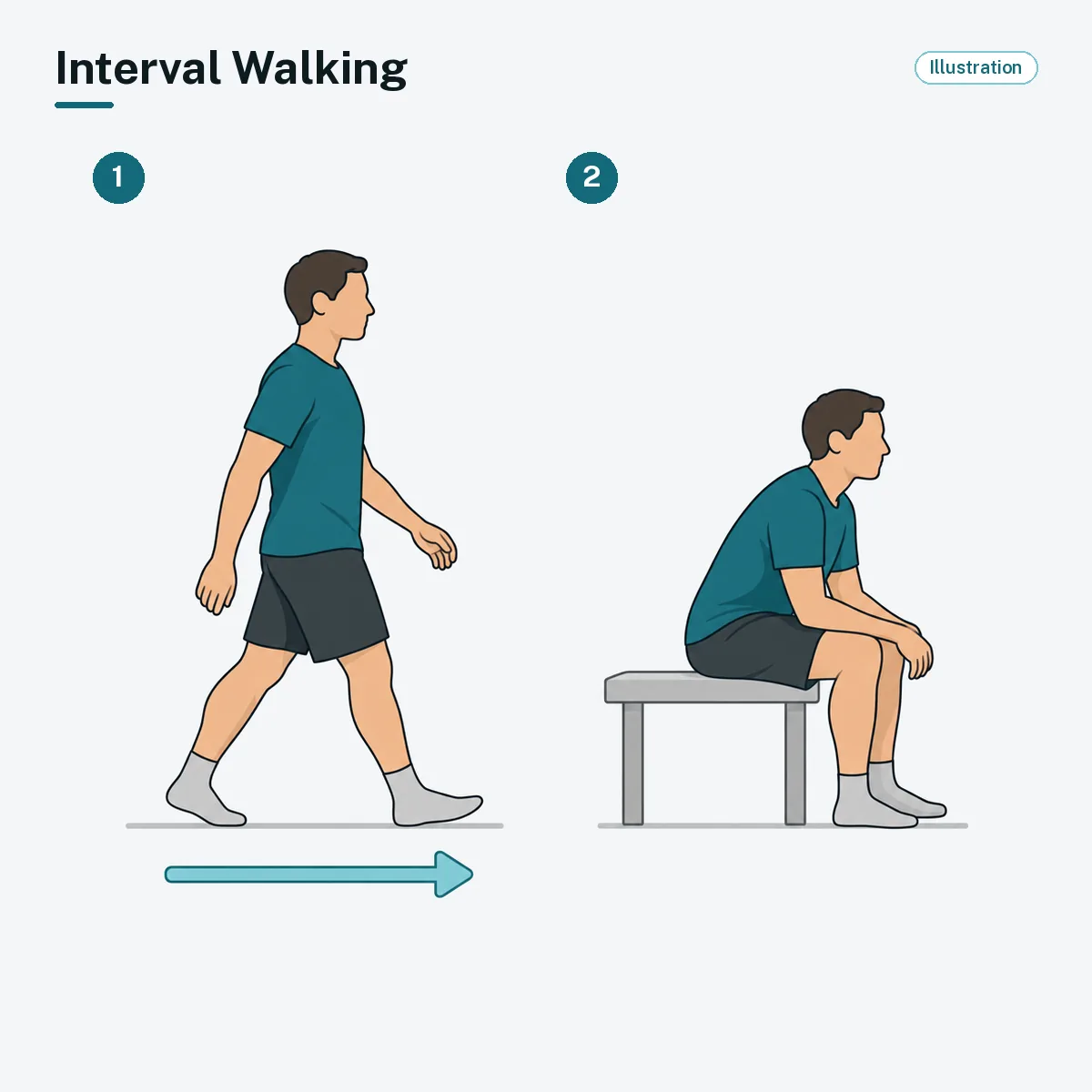 Interval walking: Walk until symptoms start, sit to rest, then continue. Gradually build total time.
Frequently asked questions
When should I see a doctor for lumbar spinal stenosis?
It can help to see a physician if pain, heaviness, or cramping in your buttocks and legs limits how far you can stand or walk, or if you notice numbness, tingling, leg weakness, or balance problems. Seek care right away for new bladder or bowel problems, or numbness in the groin. Your physician can review your symptoms and help decide what to do next.
Do I need an MRI for lumbar spinal stenosis?
At your visit, your physician may ask how far you can walk and stand and what gives relief. The exam often checks strength, sensation, reflexes, balance, and circulation in the legs, since blood flow problems can cause similar symptoms. Your physician can review an MRI you already have or order one if needed.
What are the treatment options for spinal stenosis without surgery?
Non-surgical treatment can help many people walk farther with less pain. Options may include physical therapy, medications such as anti-inflammatories and nerve pain medicines, epidural steroid injections, minimally invasive procedures for selected patients, and assistive devices such as a cane or walker. Surgical referral may be considered for severe or progressive symptoms. Your physician can help you decide which options may fit.
Can injections help me do physical therapy for spinal stenosis?
When pain makes it hard to progress with physical therapy or home exercise, an image-guided injection may calm inflammation and reduce pain so you can take part more fully. Epidural steroid injections can be used for pain relief, especially when leg pain from a pinched nerve root is a main symptom. The goal is to help your exercise program work better, not to replace it. Your physician can help decide whether an injection fits your plan.
Sources
- A randomized trial of epidural glucocorticoid injections for spinal stenosis. New England Journal of Medicine, 2014.
- Epidural corticosteroid injections for radiculopathy and spinal stenosis: a systematic review and meta-analysis. Annals of Internal Medicine, 2015.
- Low back pain and sciatica in over 16s: assessment and management (NG59). National Institute for Health and Care Excellence (NICE), 2016, updated 2020.
Last updated: October 2026
