
Chronic Pain
Chronic pain is pain that lasts longer than three months. It can affect sleep, mood, work, and relationships. Our approach treats the whole person, combining targeted procedures with rehabilitation to help you do more of what matters to you.
Reviewed by Samuel Rosenberg, DO, FAAPMR
- Chronic pain is pain that lasts longer than three months.
- Common features: pain lasting more than three months; pain in one area or many areas; fatigue and poor sleep; reduced activity and loss of strength.
- Treatment options: Accurate diagnosis, interventional procedures, physical therapy and graded activity, medication management, regenerative medicine, mind-body support, coordinated care.
- Our approach treats the whole person, combining targeted procedures with rehabilitation to help you do more of what matters to you.
Understanding chronic pain
Pain normally signals an injury and fades as the body heals. With chronic pain, the nervous system can become sensitized and keep sending pain signals even after tissues heal. Chronic pain may follow arthritis, spine problems, nerve injury, surgery, trauma, or cancer. Stress, poor sleep, and inactivity can make it worse, and pain can make those worse in turn.
Common features
- Pain lasting more than three months
- Pain in one area or many areas
- Fatigue and poor sleep
- Reduced activity and loss of strength
- Low mood, anxiety, or frustration
- Pain flares with stress or overactivity
Treatment options
- Accurate diagnosis: Finding pain generators that can be treated directly.
- Interventional procedures: Injections, nerve blocks, and radiofrequency ablation for specific sources of pain.
- Physical therapy and graded activity: Rebuilding strength and confidence step by step.
- Medication management: Carefully selected non-opioid medicines, including nerve pain medicines.
- Regenerative medicine: PRP and orthobiologics for selected joint and tendon problems.
- Mind-body support: Sleep strategies, stress management, and referral for pain psychology when helpful.
- Coordinated care: Working with your primary care doctor and other specialists.
Injections to support your therapy: When pain makes it hard to progress with physical therapy or graded activity, a targeted injection may reduce pain from a specific source so you can participate more fully. The goal is to help your exercise program work better, not to replace it. Learn more about therapeutic injections.
What to expect at your visit
Please bring your imaging, records, and a list of past treatments and medications. Your physician will take time to understand your pain history, daily function, sleep, and goals. A thorough exam looks for treatable sources of pain. We will create a plan with clear, realistic goals and adjust it as you progress.
Home exercises
Start small and build slowly. Consistency matters more than intensity.
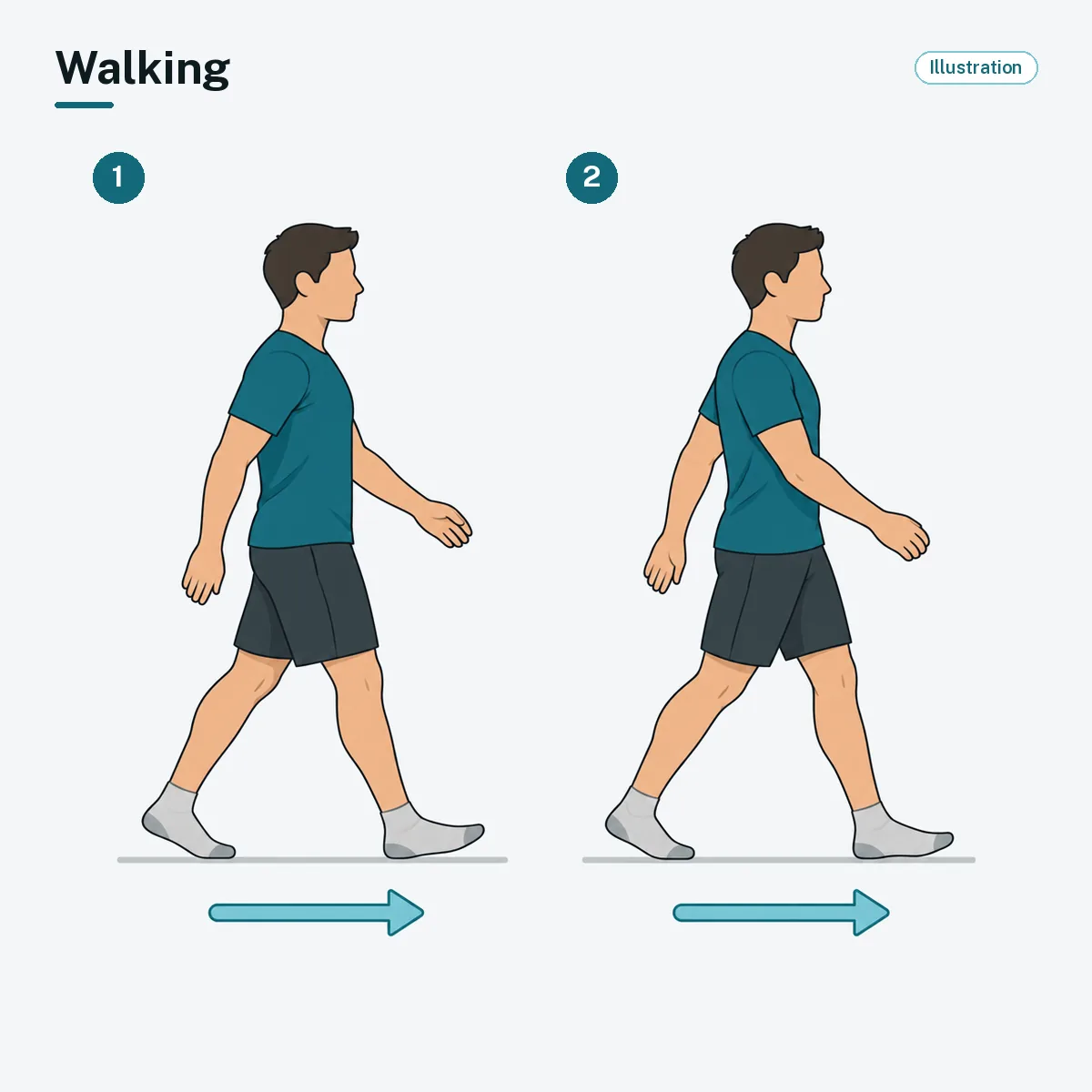 Daily walking: Begin with 5–10 minutes and add 1–2 minutes every few days.
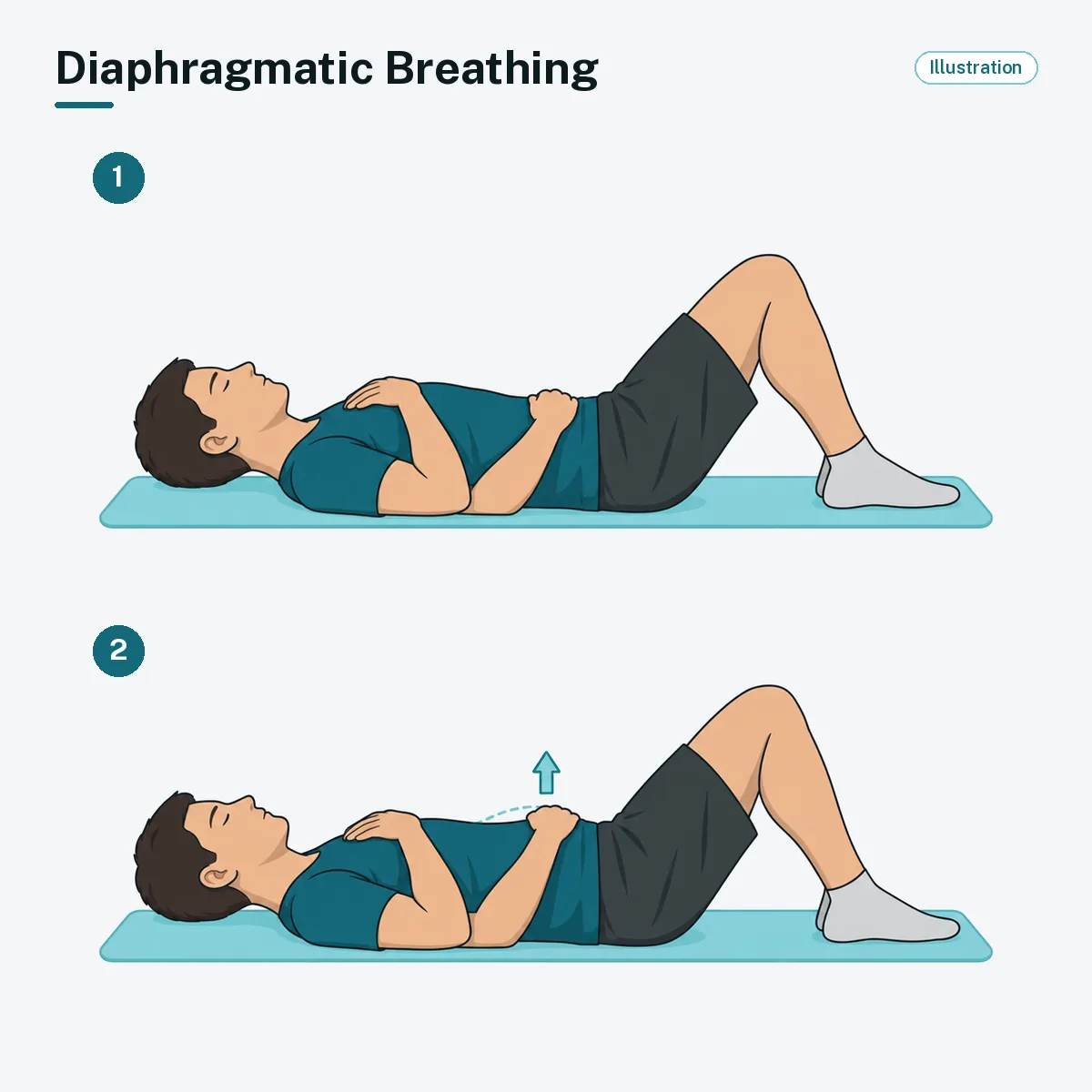 Diaphragmatic breathing: Breathe slowly into your belly for 5 minutes, once or twice a day.
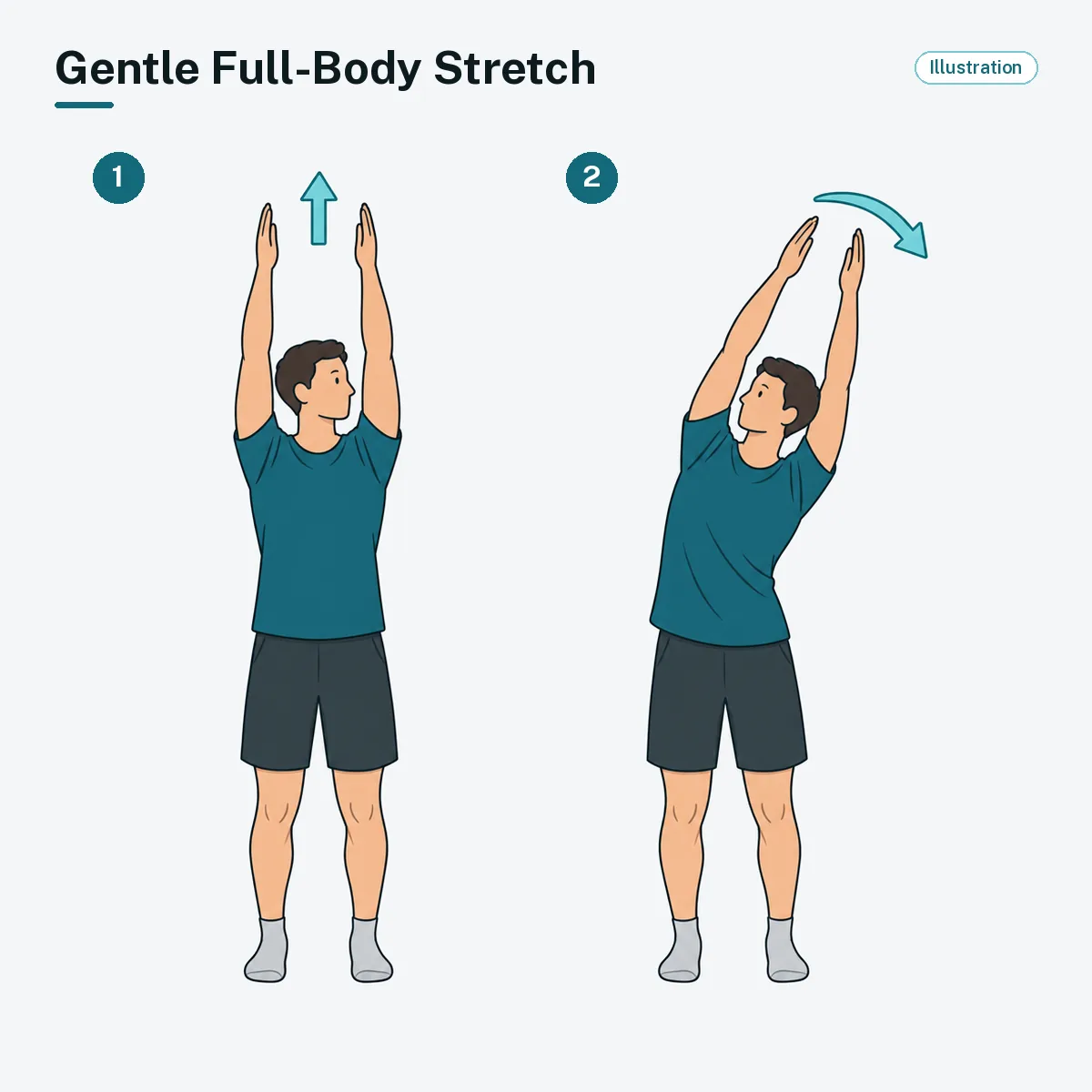 Gentle full-body stretch: Reach your arms overhead, then side to side. Hold each stretch 20 seconds.
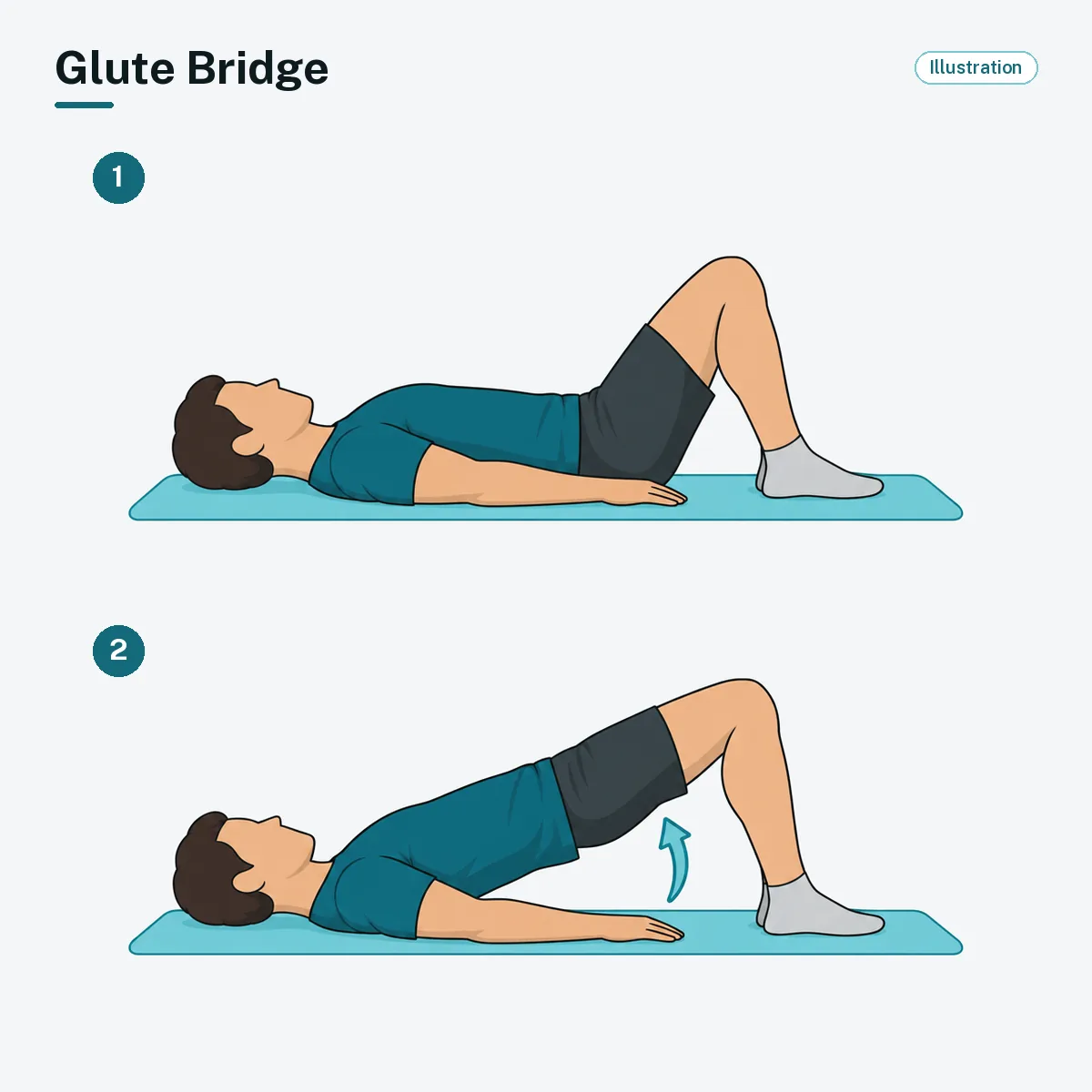 Glute bridge: Lie on your back with knees bent and lift your hips. Repeat 10 times.
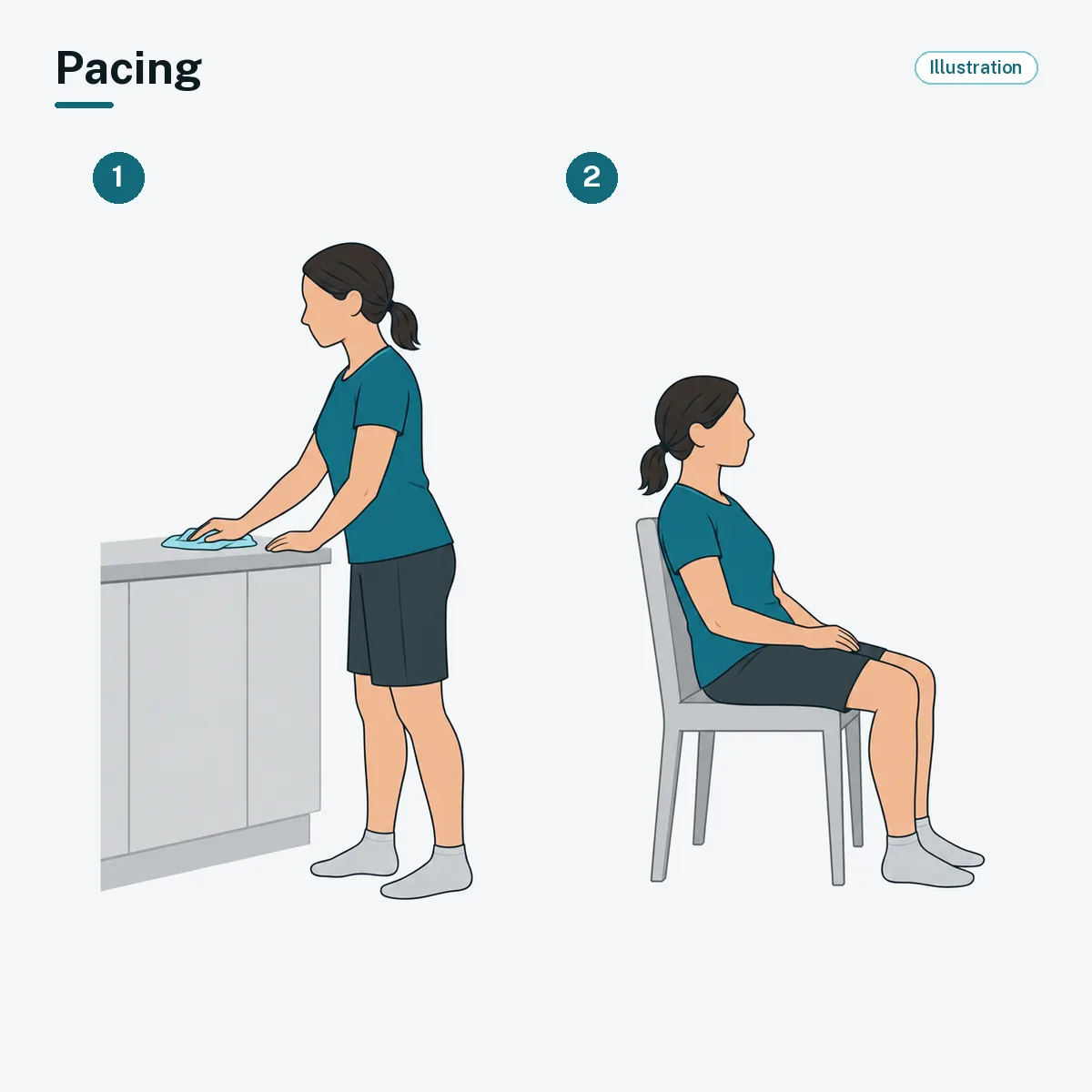 Pacing: Break chores into short sessions with rest breaks, even on good days.
Frequently asked questions
When should I see a doctor for chronic pain?
Pain lasting longer than three months is considered chronic pain, and it may be a good time to be evaluated. Many people also notice fatigue, poor sleep, reduced activity, loss of strength, or low mood. Your physician can review your pain history, daily function, sleep, and goals, and examine you for treatable sources of pain.
Do I need imaging or tests for chronic pain?
Please bring your imaging, records, and a list of past treatments and medications to your visit. A thorough exam looks for treatable sources of pain, and accurate diagnosis focuses on finding pain generators that can be treated directly. Your physician can help decide what information is needed in your case.
What are the treatment options for chronic pain without surgery?
Care may combine several approaches, including accurate diagnosis, physical therapy and graded activity, and carefully selected non-opioid medicines, including nerve pain medicines. Other options can include interventional procedures such as injections, nerve blocks, and radiofrequency ablation, or regenerative medicine such as PRP and orthobiologics for selected joint and tendon problems. Mind-body support may include sleep strategies and stress management. Your physician can create a plan with clear, realistic goals.
Can injections help me do physical therapy for chronic pain?
When pain makes it hard to progress with physical therapy or graded activity, a targeted injection may reduce pain from a specific source so you can participate more fully. The goal is to help your exercise program work better, not to replace it. Your physician can help decide whether a targeted injection fits your situation.
Sources
- Low back pain and sciatica in over 16s: assessment and management (NG59). National Institute for Health and Care Excellence (NICE), 2016, updated 2020.
- Diagnosis and treatment of low back pain: a joint clinical practice guideline from the American College of Physicians and the American Pain Society. Annals of Internal Medicine, 2007.
Last updated: October 2026
