
Tendinitis (Tennis Elbow, Achilles, and IT Band)
Tendinitis is irritation of a tendon, the tough cord that connects muscle to bone. It often comes from overuse and can linger for months without the right care. Common types include tennis elbow, Achilles tendinitis, and IT band syndrome.
Reviewed by Samuel Rosenberg, DO, FAAPMR
- Tendinitis is irritation of a tendon, the tough cord that connects muscle to bone.
- Common symptoms: pain at a specific spot that worsens with use; stiffness, especially in the morning; tenderness when pressing on the tendon; mild swelling or thickening.
- Treatment options: Relative rest, progressive loading exercises, bracing, medications, PRP injections, percutaneous tenotomy, shockwave therapy referral.
- Common types include tennis elbow, Achilles tendinitis, and IT band syndrome.
Understanding tendinitis
Tendons handle large forces every day. When they are loaded faster than they can recover, small areas of damage build up. Over time, the tendon can weaken and become painful, a condition often called tendinopathy. Sports, repetitive work tasks, sudden increases in activity, and aging tendons all raise the risk.
- Tennis elbow (lateral epicondylitis): Pain on the outside of the elbow with gripping and lifting.
- Achilles tendinitis: Pain and stiffness at the back of the heel or lower calf.
- IT band syndrome: Pain on the outside of the knee or thigh, common in runners and cyclists.
Common symptoms
- Pain at a specific spot that worsens with use
- Stiffness, especially in the morning
- Tenderness when pressing on the tendon
- Mild swelling or thickening
- Weakness when using the affected muscle
Treatment options
- Relative rest: Reducing the aggravating activity without stopping all movement.
- Progressive loading exercises: Specific strengthening is an important part of long-term care.
- Bracing: Counterforce straps for tennis elbow or heel lifts for Achilles pain.
- Medications: Topical anti-inflammatories.
- PRP injections: Sometimes considered for tendon pain. Study results are mixed and differ by tendon, so your physician can review whether it is a reasonable option for you.
- Percutaneous tenotomy: A minimally invasive, ultrasound-guided procedure to remove damaged tendon tissue.
- Shockwave therapy referral: For stubborn cases.
Injections to support your therapy: When a tendon is slow to respond to your loading program, an ultrasound-guided PRP injection may be considered alongside your exercises. The goal is to help your exercise program work better, not to replace it. Learn more about PRP.
What to expect at your visit
Your physician will ask about your activities, training, and work tasks. The exam pinpoints the painful tendon and checks strength and flexibility. In-office diagnostic ultrasound shows the tendon’s structure and any tears. We then build a plan to help you get back to your activities.
Home exercises
Some discomfort during exercise is acceptable, but pain should settle within 24 hours.
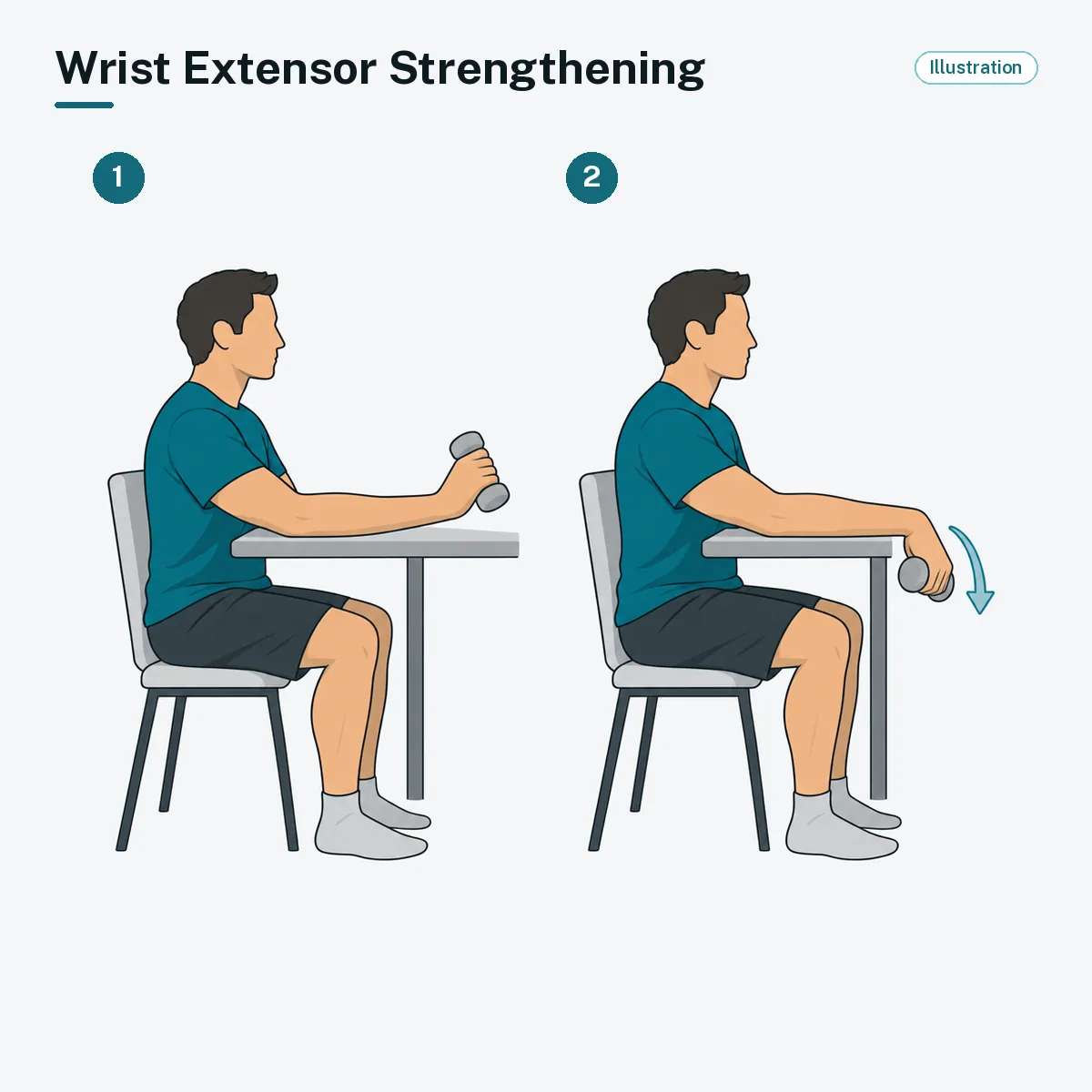 Wrist extensor strengthening (tennis elbow): Hold a light weight with palm down. Slowly lower the wrist over 3–5 seconds. Repeat 15 times.
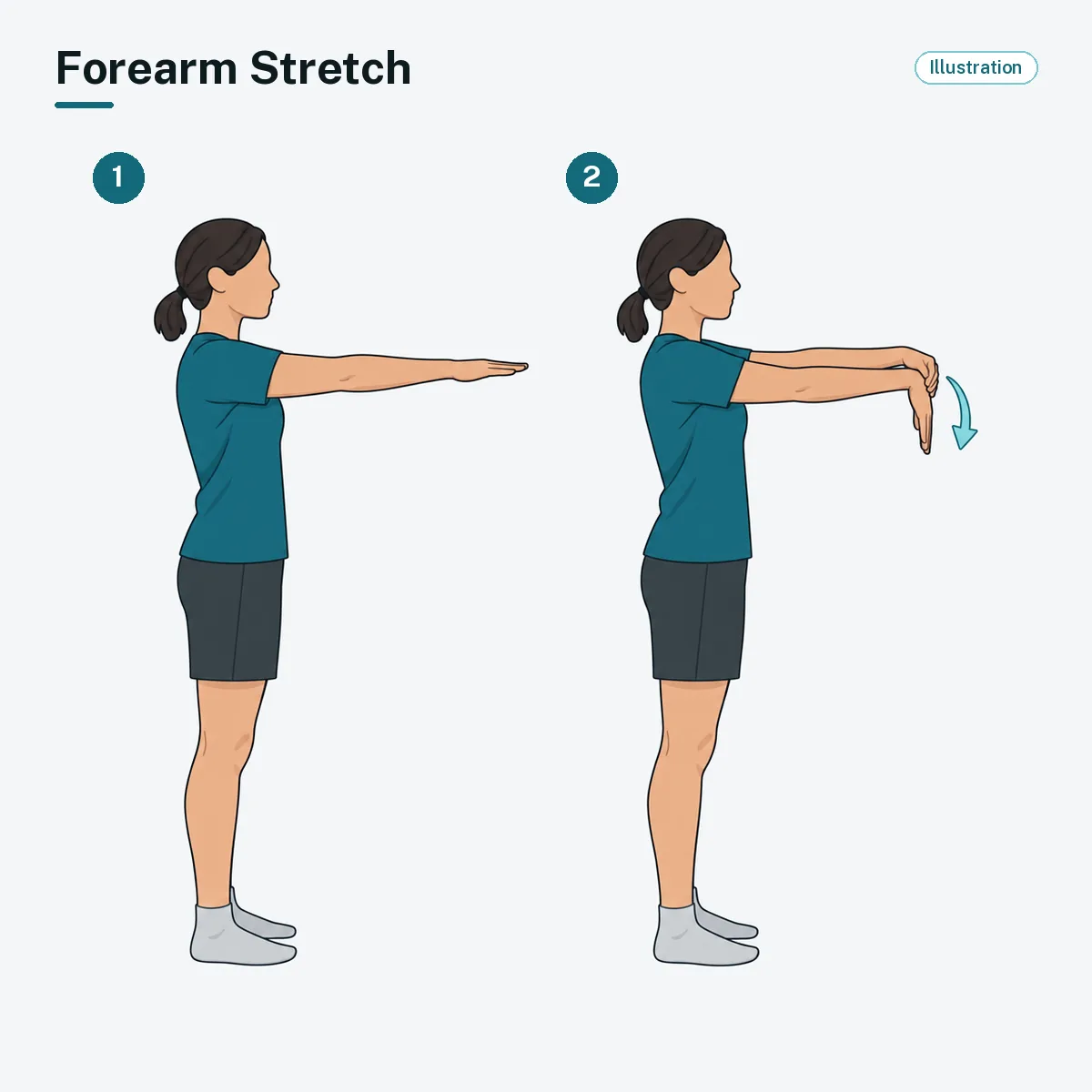 Forearm stretch: Extend your arm with palm down and gently bend the wrist down. Hold 30 seconds. Repeat 3 times.
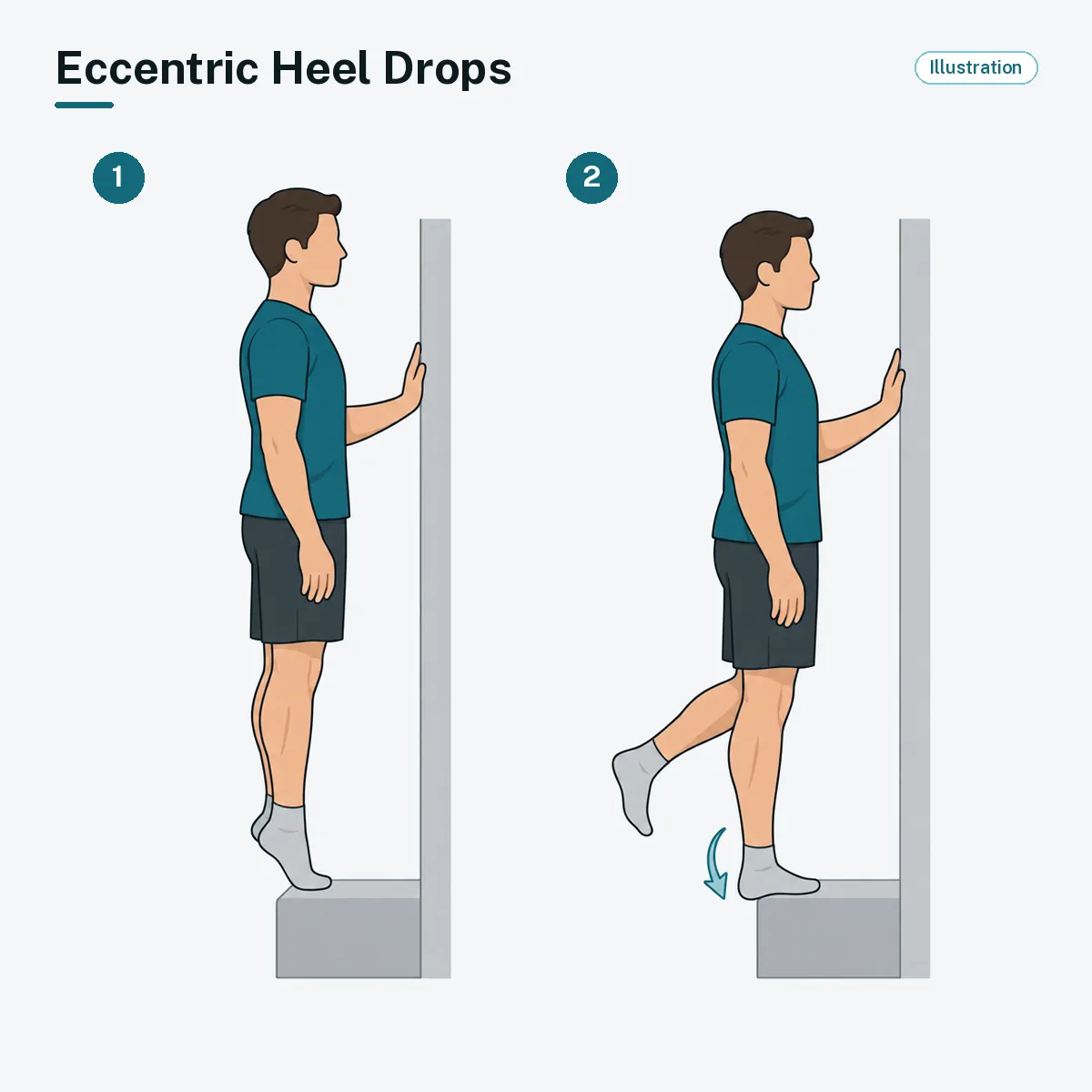 Eccentric heel drops (Achilles): Stand on a step and rise on both feet. Slowly lower on the affected leg. Repeat 15 times.
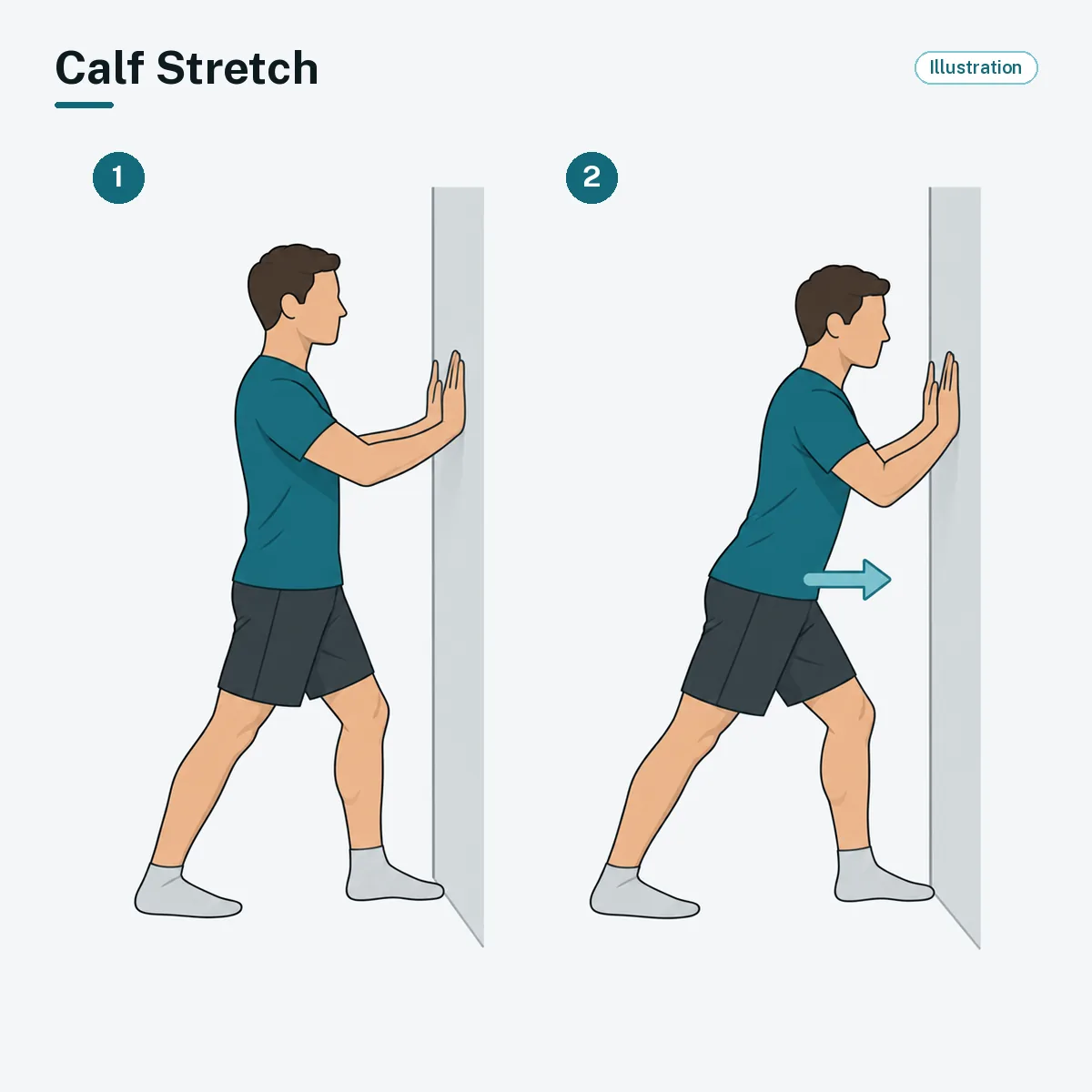 Calf stretch: Stand facing a wall with one leg back, heel down, and lean forward. Hold 30 seconds. Repeat 3 times.
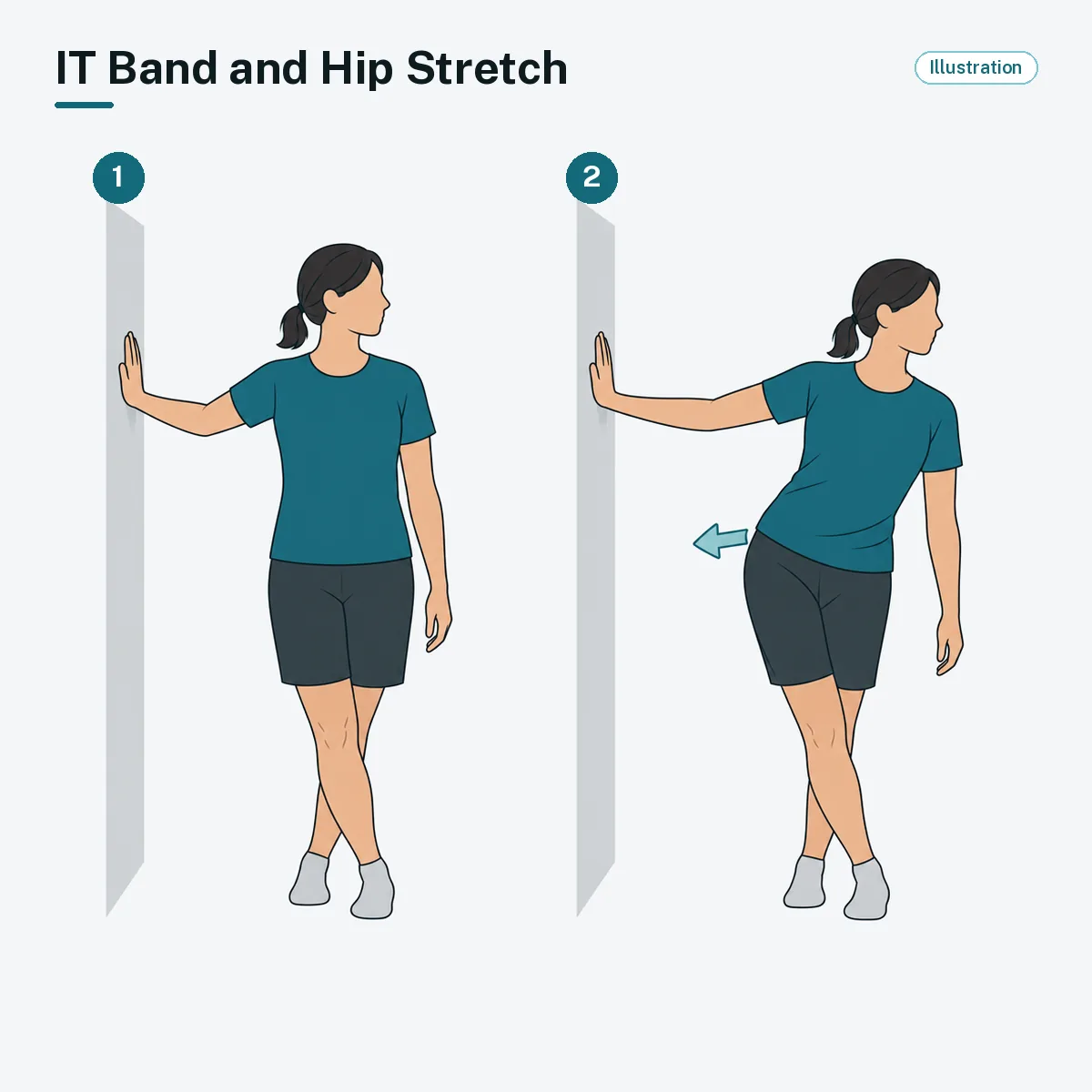 IT band and hip stretch: Cross one leg behind the other and lean your hips to the side. Hold 30 seconds. Repeat 3 times per side.
Frequently asked questions
When should I see a doctor for tendinitis?
Tendinitis often comes from overuse and can linger for months without the right care, so it may help to be seen if pain persists with activity. Common signs include pain at a specific spot that worsens with use, morning stiffness, tenderness over the tendon, and mild swelling. Your physician can examine the tendon, check strength and flexibility, and help you decide on next steps.
Do I need imaging or tests for tendinitis?
Your visit often starts with questions about your activities, training, and work tasks, followed by an exam that pinpoints the painful tendon. In-office diagnostic ultrasound can show the tendon's structure and any tears. Your physician can help decide whether imaging is needed in your case.
How is tendinitis treated without surgery?
Relative rest, meaning reducing the aggravating activity without stopping all movement, is often part of care. Other nonsurgical options may include progressive loading exercises, bracing such as a counterforce strap for tennis elbow or a heel lift for Achilles pain, and topical anti-inflammatory medications. For stubborn cases, shockwave therapy referral or percutaneous tenotomy may be considered; your physician can help you decide.
Can PRP injections help me do my tendinitis exercises?
When a tendon is slow to respond to your loading program, an ultrasound-guided PRP injection may be considered alongside your exercises. The goal is to help your exercise program work better, not to replace it. Your physician can help decide whether this approach fits your situation.
Sources
- Platelet-rich plasma injection for chronic Achilles tendinopathy: a randomized controlled trial. JAMA, 2010.
- Effect of PRP injection vs sham injection on tendon dysfunction in chronic midportion Achilles tendinopathy: a randomized clinical trial. JAMA, 2021.
- Platelet-rich therapies for musculoskeletal soft tissue injuries. Cochrane Database of Systematic Reviews, 2014.
Last updated: October 2026
