
Foot and Ankle Pain (Plantar Fasciitis and Flat Feet)
Foot pain can make every step uncomfortable. Plantar fasciitis, flat feet, and arthritis are among the most common causes. Many types of foot pain improve with the right combination of support, stretching, and targeted treatment.
Reviewed by Samuel Rosenberg, DO, FAAPMR
- Foot pain can make every step uncomfortable.
- Common symptoms: sharp heel pain with the first steps in the morning; heel pain after standing or walking for a long time; aching along the arch or inner ankle; pain in the ball of the foot.
- Treatment options: Footwear and orthotics, stretching programs, night splints, medications, ultrasound-guided injections, PRP injections, shockwave therapy referral.
- Many types of foot pain improve with the right combination of support, stretching, and targeted treatment.
Understanding foot pain
The plantar fascia is a thick band of tissue along the bottom of the foot that supports the arch. Repeated strain can cause irritation and thickening where it attaches to the heel. Flat feet (fallen arches) change how weight is distributed and can strain the foot, ankle, and knee. Pain in the ball of the foot (metatarsalgia) and ankle arthritis are also common.
Common symptoms
- Sharp heel pain with the first steps in the morning
- Heel pain after standing or walking for a long time
- Aching along the arch or inner ankle
- Pain in the ball of the foot
- Foot fatigue or swelling
- Ankle stiffness
Treatment options
- Footwear and orthotics: Supportive shoes and arch supports can help reduce strain.
- Stretching programs: Calf and plantar fascia stretches are often helpful.
- Night splints: Keep the plantar fascia gently stretched overnight.
- Medications: Anti-inflammatories and topical treatments.
- Ultrasound-guided injections: Corticosteroid injections for persistent inflammation.
- PRP injections: Sometimes considered for long-standing plantar fasciitis that has not improved with other care. Evidence is still developing.
- Shockwave therapy referral: An option for long-standing heel pain.
Injections to support your therapy: When pain makes it hard to progress with physical therapy or home exercise, an image-guided injection may calm inflammation and reduce pain so you can participate more fully. The goal is to help your exercise program work better, not to replace it. Learn more about therapeutic injections.
What to expect at your visit
Please bring the shoes you wear most often. Your physician will ask about your pain pattern, activity level, and footwear. The exam checks foot structure, arch height, ankle motion, calf flexibility, and how you walk. In-office ultrasound can show thickening of the plantar fascia. X-rays may be ordered if needed.
Home exercises
Do these daily, especially before getting out of bed in the morning.
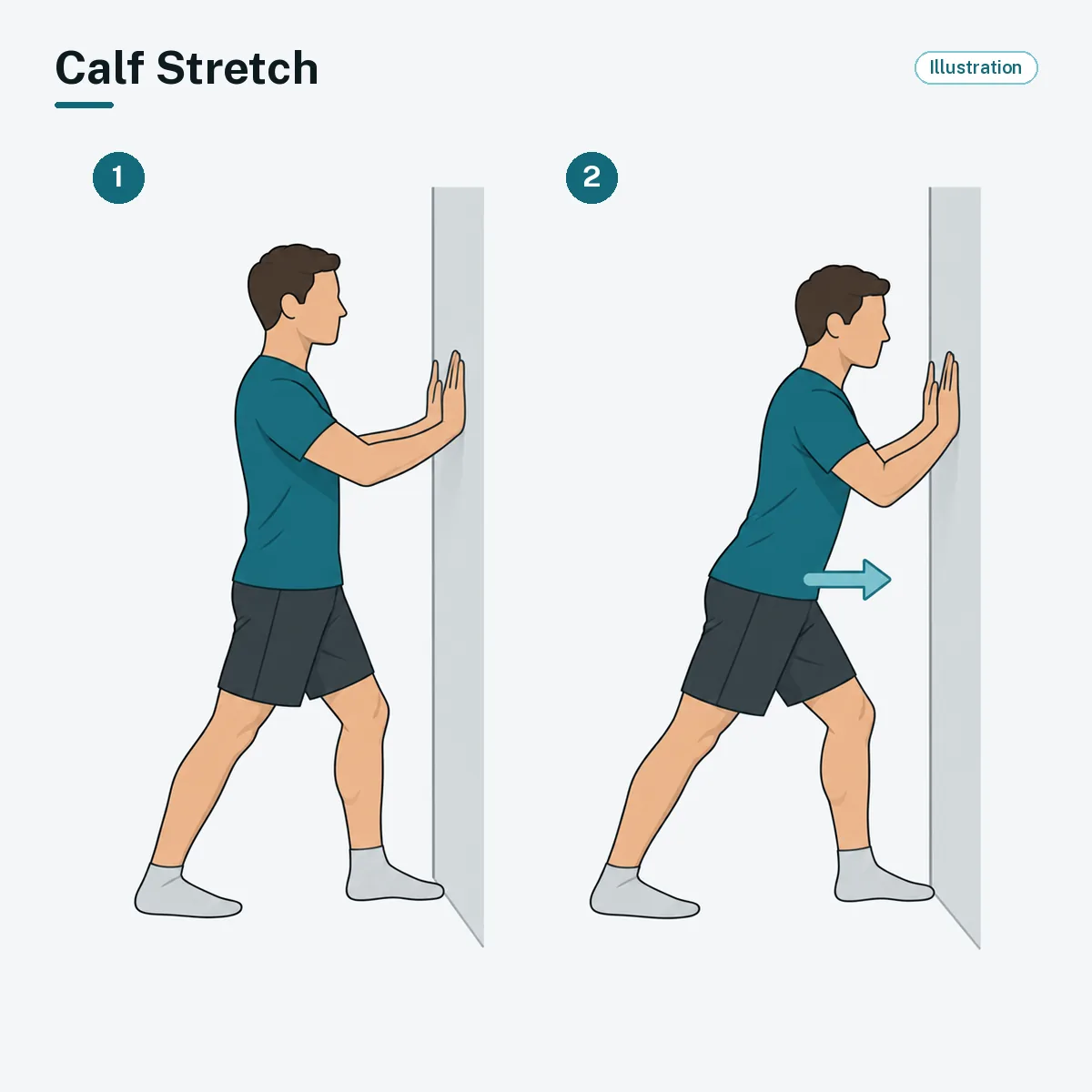 Calf stretch: Stand facing a wall with one leg back, heel down, and lean forward. Hold 30 seconds. Repeat 3 times per side.
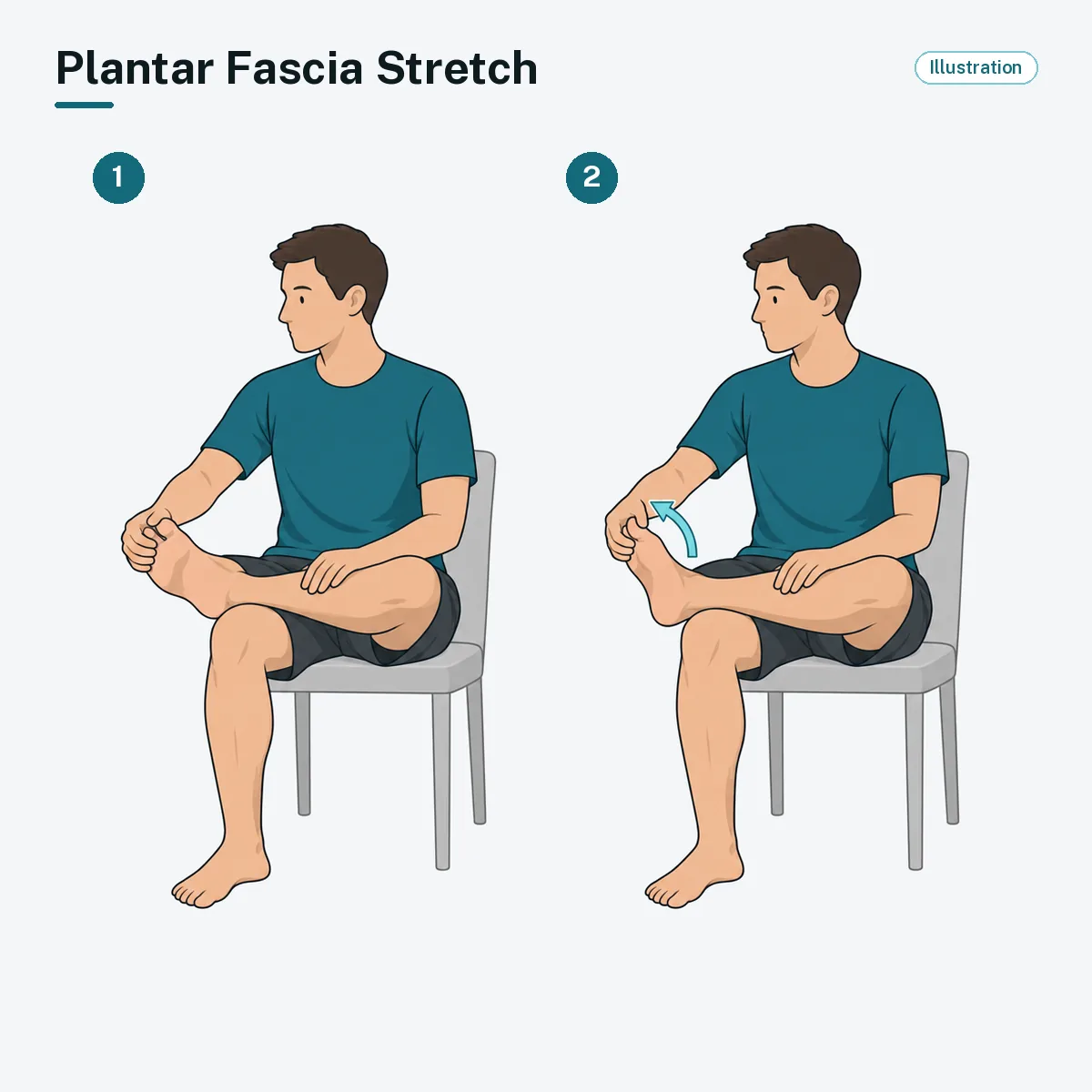 Plantar fascia stretch: Sit, cross one foot over the other knee, and pull your toes back. Hold 30 seconds. Repeat 3 times.
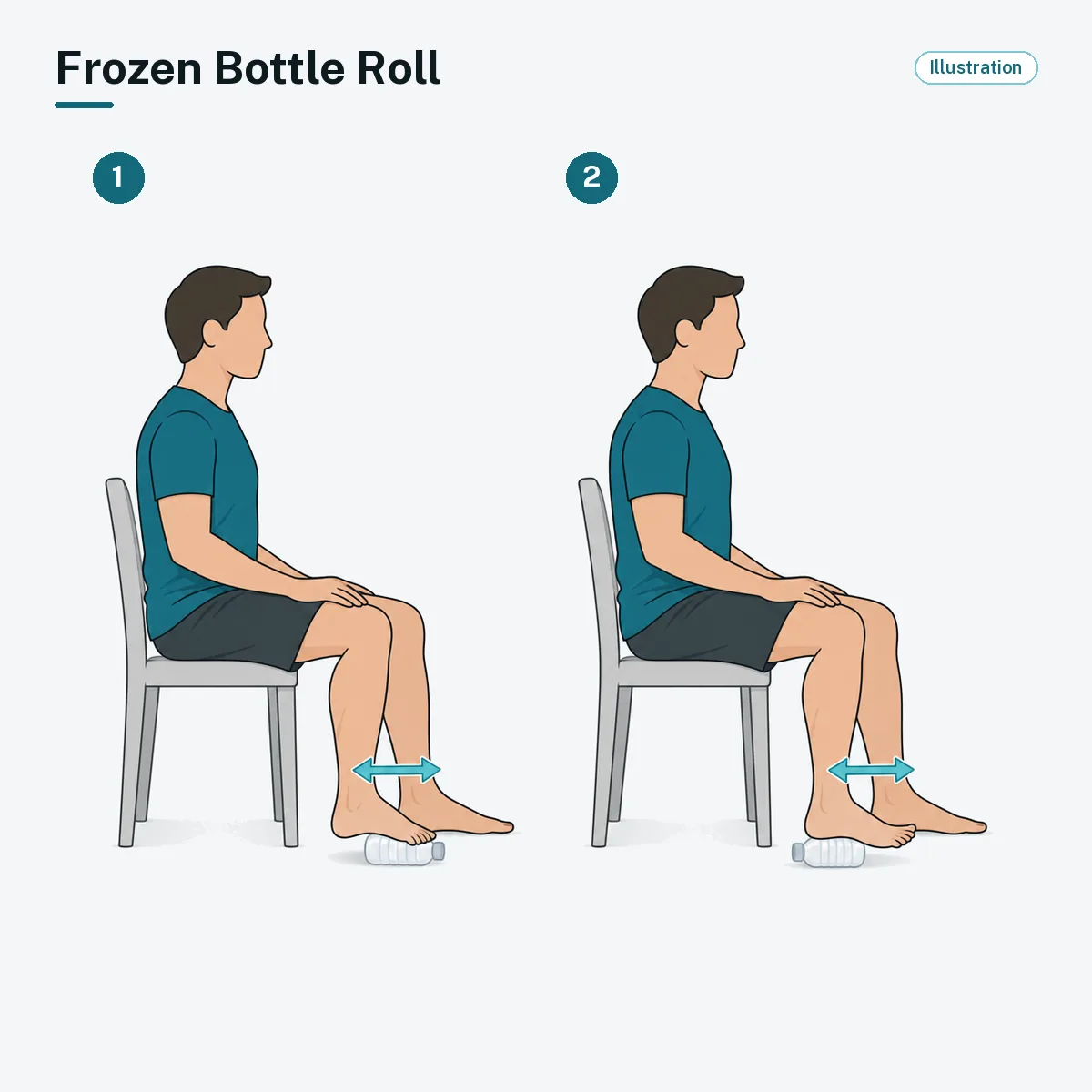 Frozen bottle roll: Roll the arch of your foot over a frozen water bottle for 5 minutes.
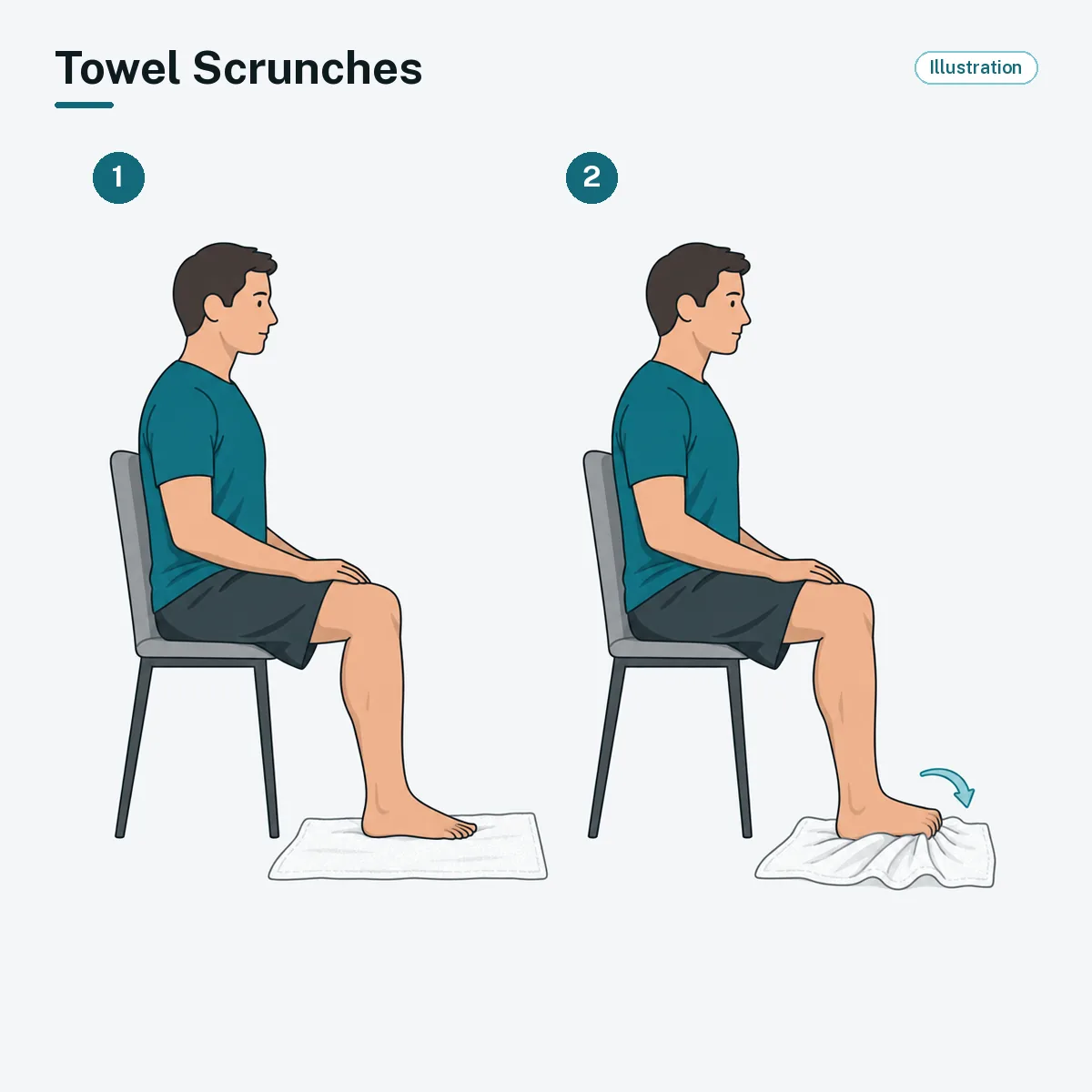 Towel scrunches: Sit and use your toes to scrunch a towel toward you. Repeat 10 times.
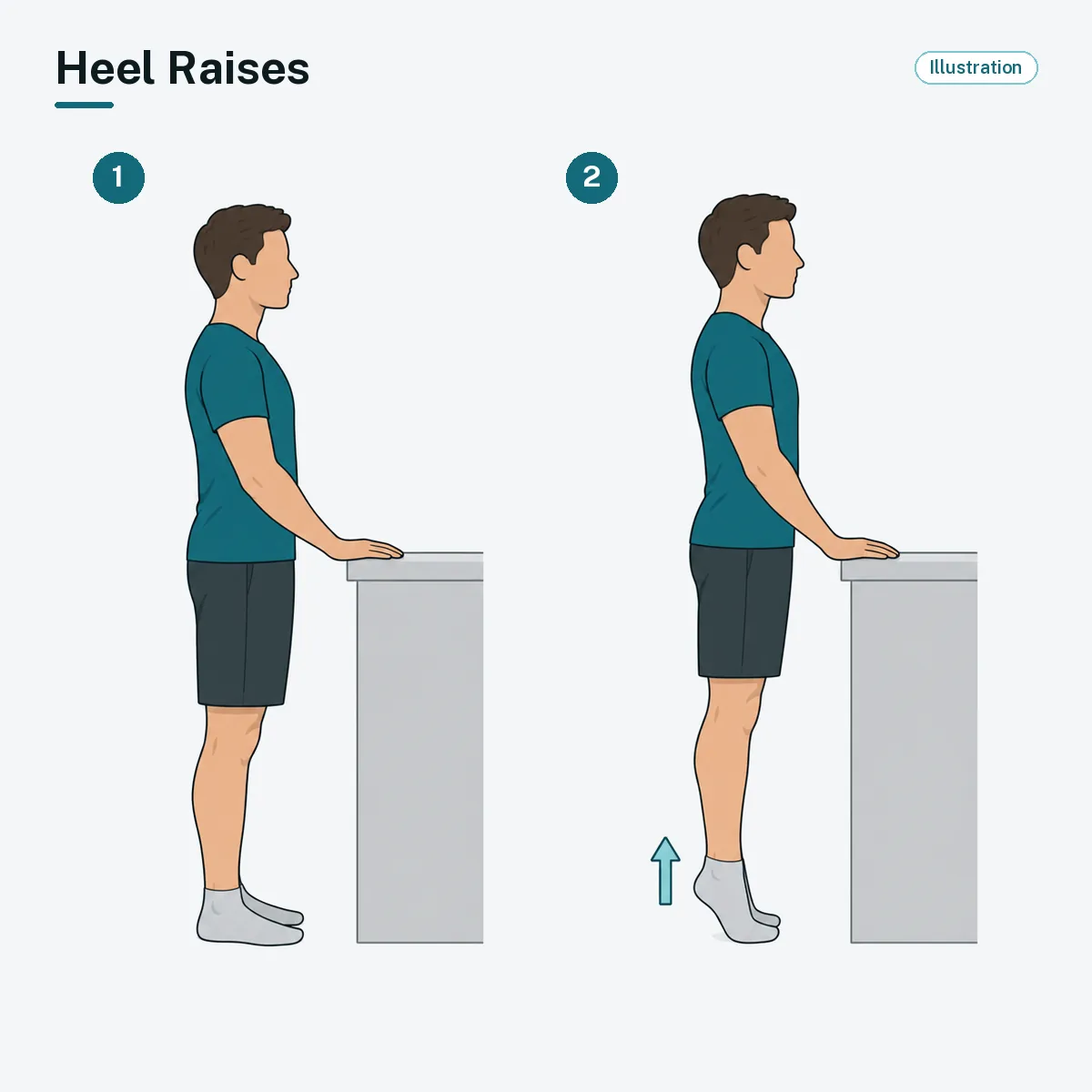 Heel raises: Holding a counter, rise up on your toes and lower slowly. Repeat 10 times.
Frequently asked questions
When should I see a doctor for plantar fasciitis or foot pain?
Foot pain can make every step uncomfortable. Sharp heel pain with the first steps in the morning, heel pain after standing or walking for a long time, aching along the arch or inner ankle, pain in the ball of the foot, swelling, or ankle stiffness are common reasons many people get checked. Your physician can ask about your pain pattern, activity level, and footwear.
Do I need an X-ray or ultrasound for plantar fasciitis?
Not everyone needs imaging. The exam often checks foot structure, arch height, ankle motion, calf flexibility, and how you walk, and in-office ultrasound can show thickening of the plantar fascia. X-rays may be ordered if needed, and your physician can help decide what makes sense for you. Bringing the shoes you wear most often can help.
How is foot and ankle pain treated without surgery?
Many types of foot pain may improve with the right combination of support, stretching, and targeted treatment. Options can include supportive shoes and arch supports, calf and plantar fascia stretches, night splints, and medications such as anti-inflammatories and topical treatments. Ultrasound-guided corticosteroid injections, PRP injections, and shockwave therapy referral may also be considered. Your physician can help decide which approach fits your situation.
Can an injection help me do physical therapy for heel pain?
It sometimes can. When pain makes it hard to progress with physical therapy or home exercise, an image-guided injection may calm inflammation and reduce pain so you can take part more fully. The goal is to help your exercise program work better, not to replace it. Your physician can help decide whether an injection is a reasonable step for you.
Sources
- Platelet-rich therapies for musculoskeletal soft tissue injuries. Cochrane Database of Systematic Reviews, 2014.
Last updated: October 2026
