
Knee Pain (Meniscus, Swelling, and Kneecap Problems)
Knee pain can come from many structures besides arthritis, including the meniscus, ligaments, tendons, and kneecap. A precise diagnosis is the first step toward the right treatment. Many knee injuries can heal well without surgery.
Reviewed by Samuel Rosenberg, DO, FAAPMR
- Knee pain can come from many structures besides arthritis, including the meniscus, ligaments, tendons, and kneecap.
- Common symptoms: pain along the inner or outer joint line; swelling or a feeling of fullness in the knee; catching, locking, or clicking; pain at the front of the knee with stairs, squatting, or long sitting.
- Treatment options: Rest and activity changes, physical therapy, bracing or taping, joint aspiration, ultrasound-guided injections, PRP injections, surgical referral.
- Many knee injuries can heal well without surgery.
- Seek care right away for a hot, red, very swollen knee, especially with fever.
Understanding knee pain
The meniscus is a C-shaped cartilage pad that cushions the knee. It can tear from a twisting injury or wear down with age. Pain around or behind the kneecap often comes from patellofemoral syndrome, where the kneecap does not track smoothly. Fluid in the knee (an effusion) signals irritation inside the joint. A Baker’s cyst can form behind the knee, and bursitis can develop at the front or inner knee.
Common symptoms
- Pain along the inner or outer joint line
- Swelling or a feeling of fullness in the knee
- Catching, locking, or clicking
- Pain at the front of the knee with stairs, squatting, or long sitting
- Stiffness or difficulty fully bending the knee
- A feeling that the knee is unstable
Seek care right away for a hot, red, very swollen knee, especially with fever.
Treatment options
- Rest and activity changes: Short-term reduction of high-impact activities.
- Physical therapy: Quadriceps, hip, and core strengthening to improve knee mechanics.
- Bracing or taping: Can support the knee and may improve kneecap tracking.
- Joint aspiration: Removing excess fluid can relieve pressure and help guide diagnosis.
- Ultrasound-guided injections: Corticosteroid injections can calm inflammation.
- PRP injections: Sometimes considered for selected tendon or ligament problems. Evidence is still limited, and your physician can discuss whether it fits your injury.
- Surgical referral: For locked knees, unstable tears, or ligament ruptures.
Injections to support your therapy: When pain makes it hard to progress with physical therapy or home exercise, an image-guided injection may calm inflammation and reduce pain so you can participate more fully. The goal is to help your exercise program work better, not to replace it. Learn more about therapeutic injections.
What to expect at your visit
Your physician will ask about how the pain started and any injury. The exam tests the ligaments, meniscus, and kneecap. In-office diagnostic ultrasound often lets us see the problem during your visit. We may order X-rays or an MRI if needed.
Home exercises
Avoid deep squats and pivoting until your knee is evaluated.
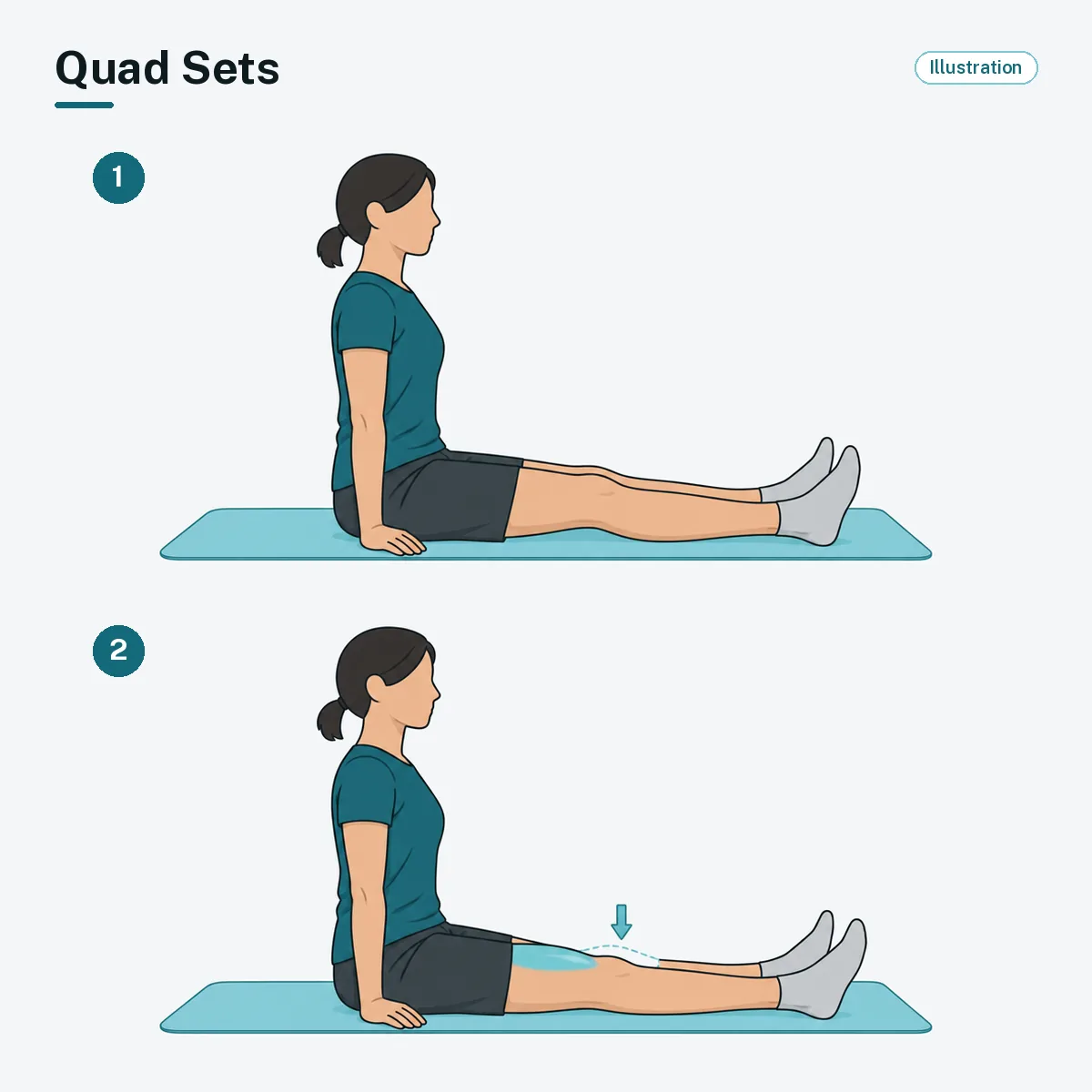 Quad sets: Sit with your leg straight. Tighten the thigh to press the knee down. Hold 5 seconds. Repeat 10 times.
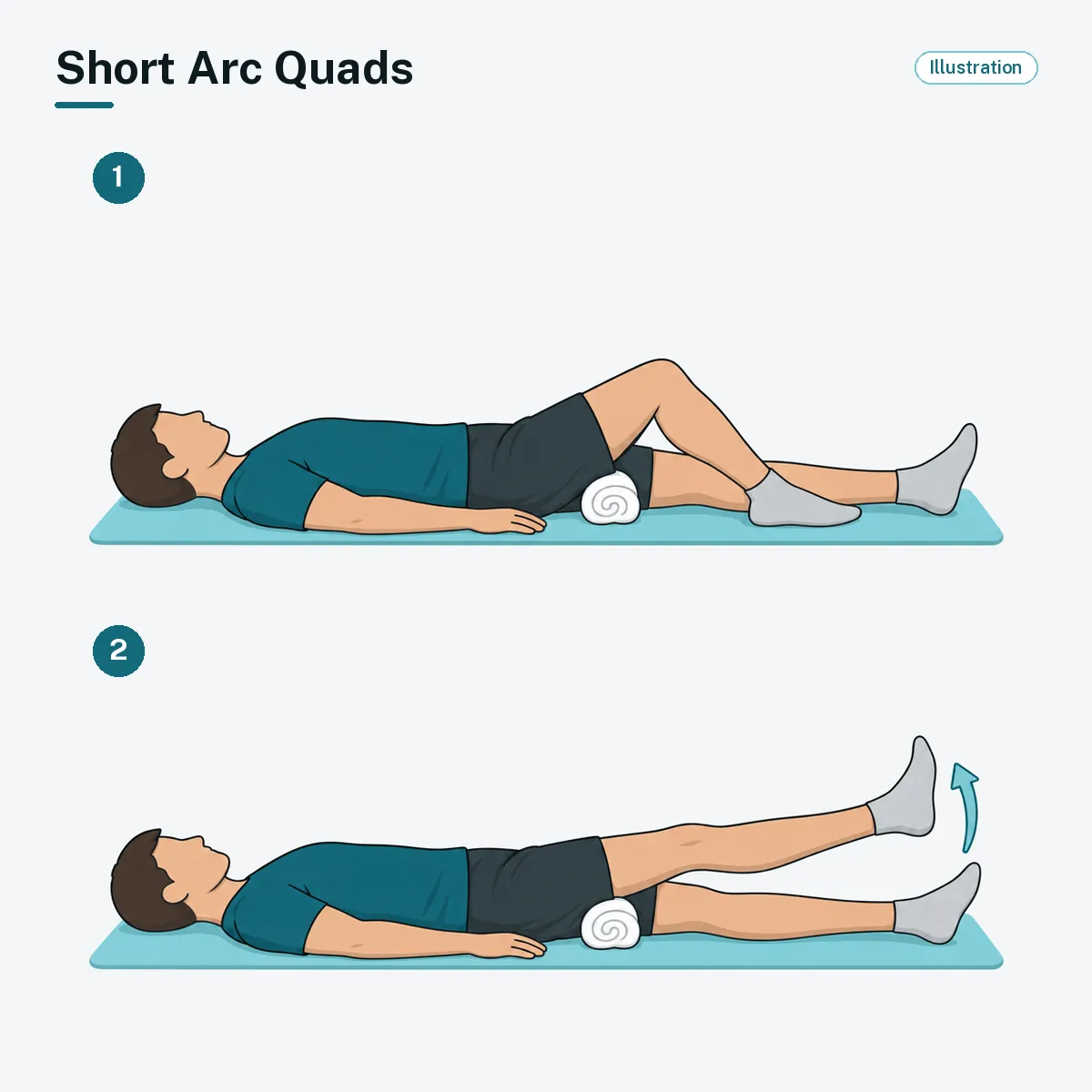 Short arc quads: Lie on your back with a rolled towel under your knee. Straighten the knee by lifting your heel. Hold 3 seconds. Repeat 10 times.
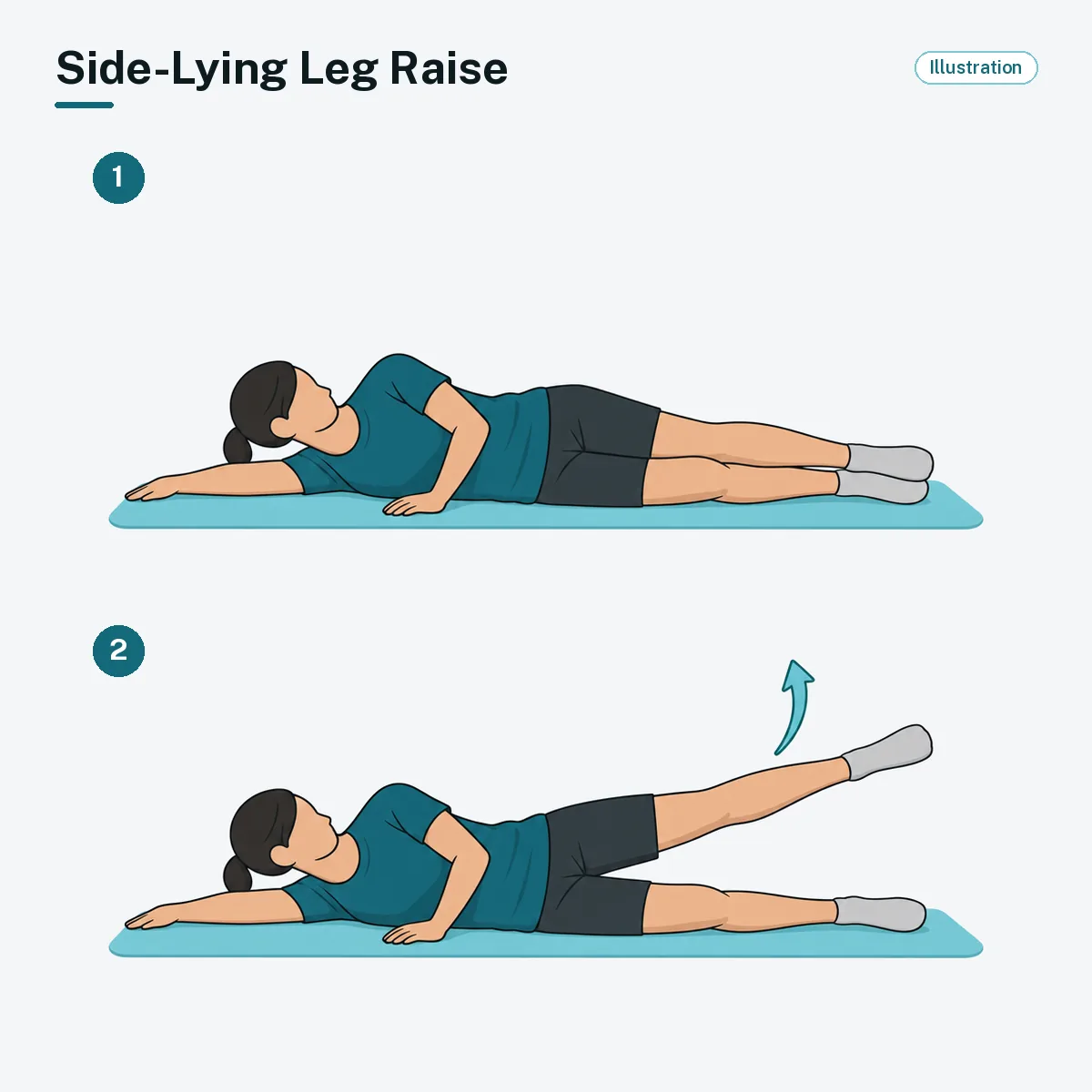 Side-lying leg raise: Lie on your side and lift the top leg about 12 inches. Repeat 10 times per side.
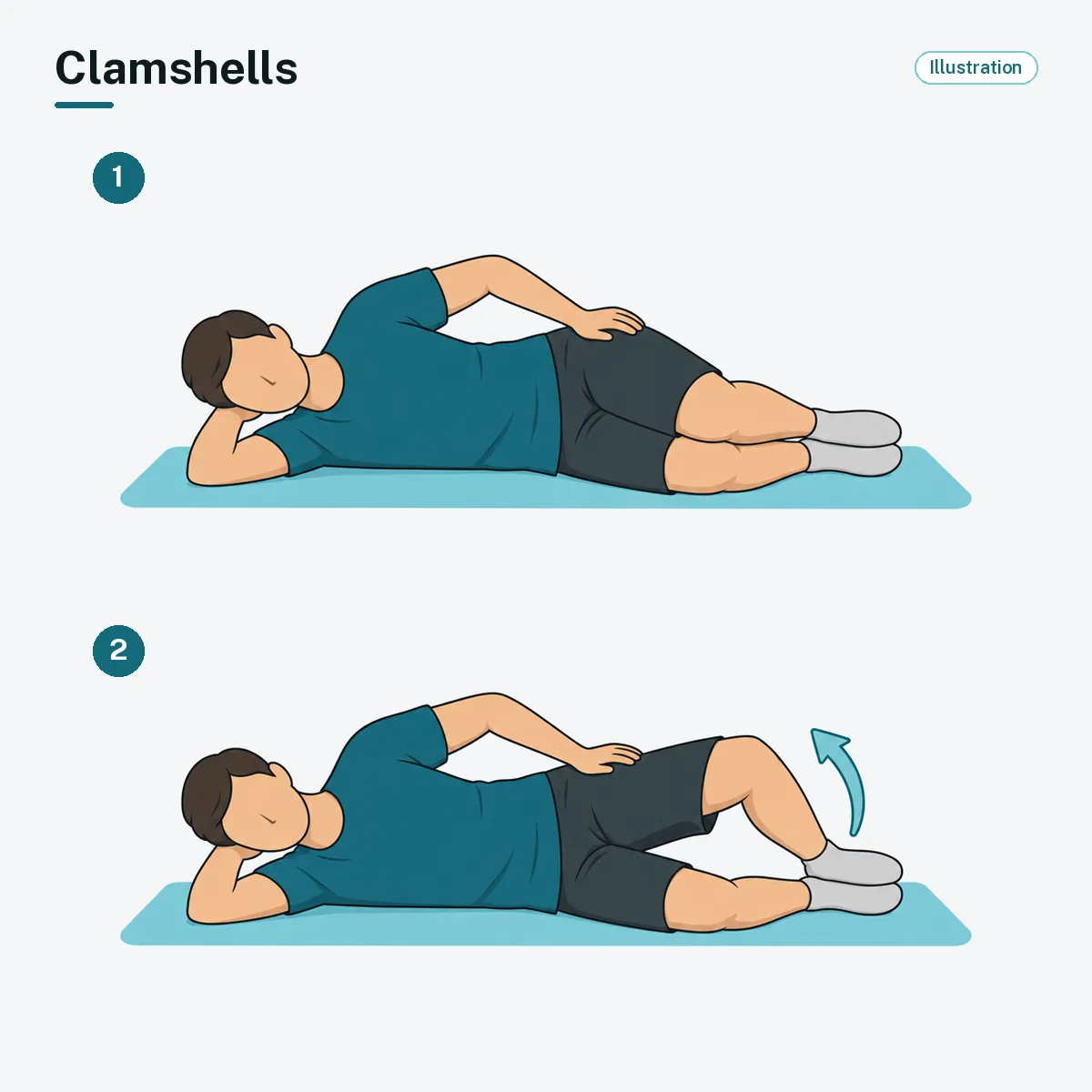 Clamshells: Lie on your side with knees bent. Keep your feet together and open your top knee. Repeat 12 times per side.
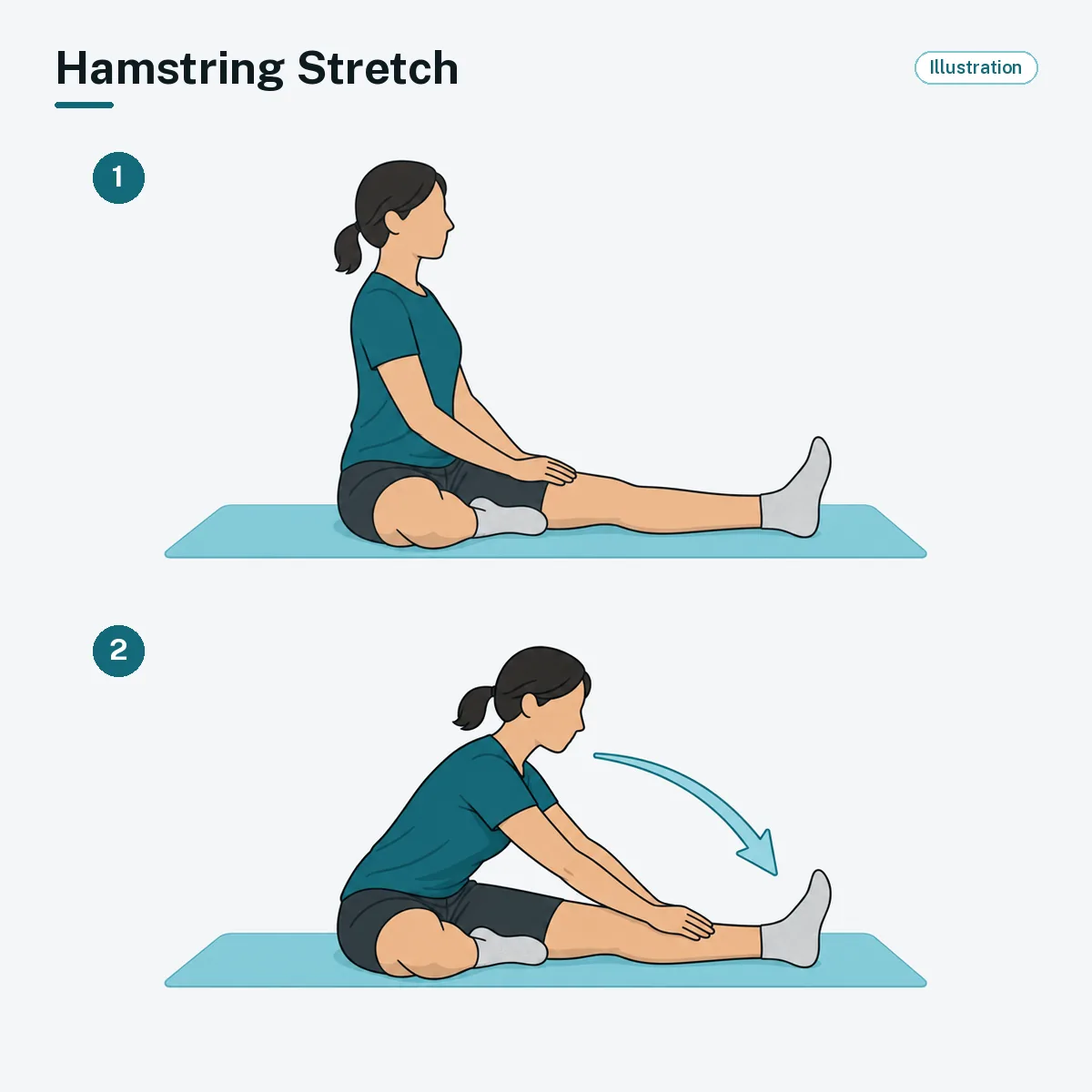 Hamstring stretch: Sit with one leg straight and reach gently toward your toes. Hold 30 seconds. Repeat 3 times.
Frequently asked questions
When should I see a doctor for knee pain?
It may help to be seen if your knee catches, locks, or clicks, if it swells or feels full, or if it feels unstable. Until your knee is evaluated, avoid deep squats and pivoting. Your physician can examine the ligaments, meniscus, and kneecap, and a locked knee, unstable tear, or ligament rupture may need a surgical referral.
Do I need an MRI for knee pain?
Not everyone with knee pain needs an MRI. Your physician may ask how the pain started and whether there was an injury, then test the ligaments, meniscus, and kneecap. In-office diagnostic ultrasound often lets us see the problem during your visit, and X-rays or an MRI may be ordered if needed.
Can knee pain be treated without surgery?
Many knee injuries can heal well without surgery. Options may include short-term reduction of high-impact activities, physical therapy for the quadriceps, hips, and core, bracing or taping, joint aspiration, ultrasound-guided corticosteroid injections, and PRP injections in selected patients. Your physician can help decide which approach fits your knee.
Can injections help me do physical therapy for my knee?
When pain makes it hard to progress with physical therapy or home exercise, an image-guided injection may calm inflammation and reduce pain so you can take part more fully. PRP injections are sometimes considered for selected tendon or ligament problems, although evidence is still limited. The goal is to help your exercise program work better, not to replace it. Your physician can help decide whether an injection fits you.
Sources
- Does this adult patient have septic arthritis?. JAMA, 2007.
- Platelet-rich therapies for musculoskeletal soft tissue injuries. Cochrane Database of Systematic Reviews, 2014.
Last updated: October 2026
