
Spasticity and Stroke Recovery
Spasticity is muscle stiffness and tightness that can follow a stroke, brain injury, spinal cord injury, multiple sclerosis, or cerebral palsy. Untreated, it can cause pain, contractures, and difficulty with daily care. Physiatrists are specialists in managing spasticity and helping people regain function.
Reviewed by Samuel Rosenberg, DO, FAAPMR
- Spasticity is muscle stiffness and tightness that can follow a stroke, brain injury, spinal cord injury, multiple sclerosis, or cerebral palsy.
- Common signs: stiff or tight muscles, often in the arm, hand, or leg; A clenched fist, bent elbow, or pointed foot; involuntary muscle spasms or jerking; difficulty with dressing, hygiene, or walking.
- Treatment options: Stretching and positioning, physical and occupational therapy, bracing and splinting, oral medications, botulinum toxin injections, nerve blocks, coordination of care.
- Physiatrists are specialists in managing spasticity and helping people regain function.
Understanding spasticity
After damage to the brain or spinal cord, the signals that normally relax muscles are disrupted. Muscles may stay tight or contract involuntarily. On one side of the body, this is often seen after a stroke as hemiplegia. Over time, constantly tight muscles can shorten, creating fixed joint positions called contractures. Early treatment can help protect movement and comfort.
Common signs
- Stiff or tight muscles, often in the arm, hand, or leg
- A clenched fist, bent elbow, or pointed foot
- Involuntary muscle spasms or jerking
- Difficulty with dressing, hygiene, or walking
- Pain from muscle tightness
- Joints that no longer fully straighten
Treatment options
- Stretching and positioning: Daily range-of-motion exercises and proper positioning.
- Physical and occupational therapy: Aim to improve strength, function, and independence.
- Bracing and splinting: Hand splints and ankle-foot orthoses help hold joints in a healthy position.
- Oral medications: Medicines that can reduce muscle tone.
- Botulinum toxin injections: Targeted injections can relax specific overactive muscles for several months.
- Nerve blocks: Can help reduce tone in larger muscle groups.
- Coordination of care: Working with neurologists, therapists, and caregivers, including in skilled nursing and assisted living settings.
Injections to support your therapy: When muscle tightness makes it hard to progress with therapy or daily stretching, botulinum toxin injections may relax overactive muscles so you can participate more fully. The goal is to help your therapy program work better, not to replace it. Learn more about botulinum toxin injections for spasticity.
What to expect at your visit
Your physician will review your medical history, the cause and timing of your spasticity, and your goals. The exam measures muscle tone, range of motion, strength, and function. We discuss what matters most to you or your caregiver, such as walking, hand use, comfort, or ease of care. Together we create a treatment plan and track progress over time.
Home exercises
A caregiver may need to help. Move slowly, never force a joint, and stop if there is pain.
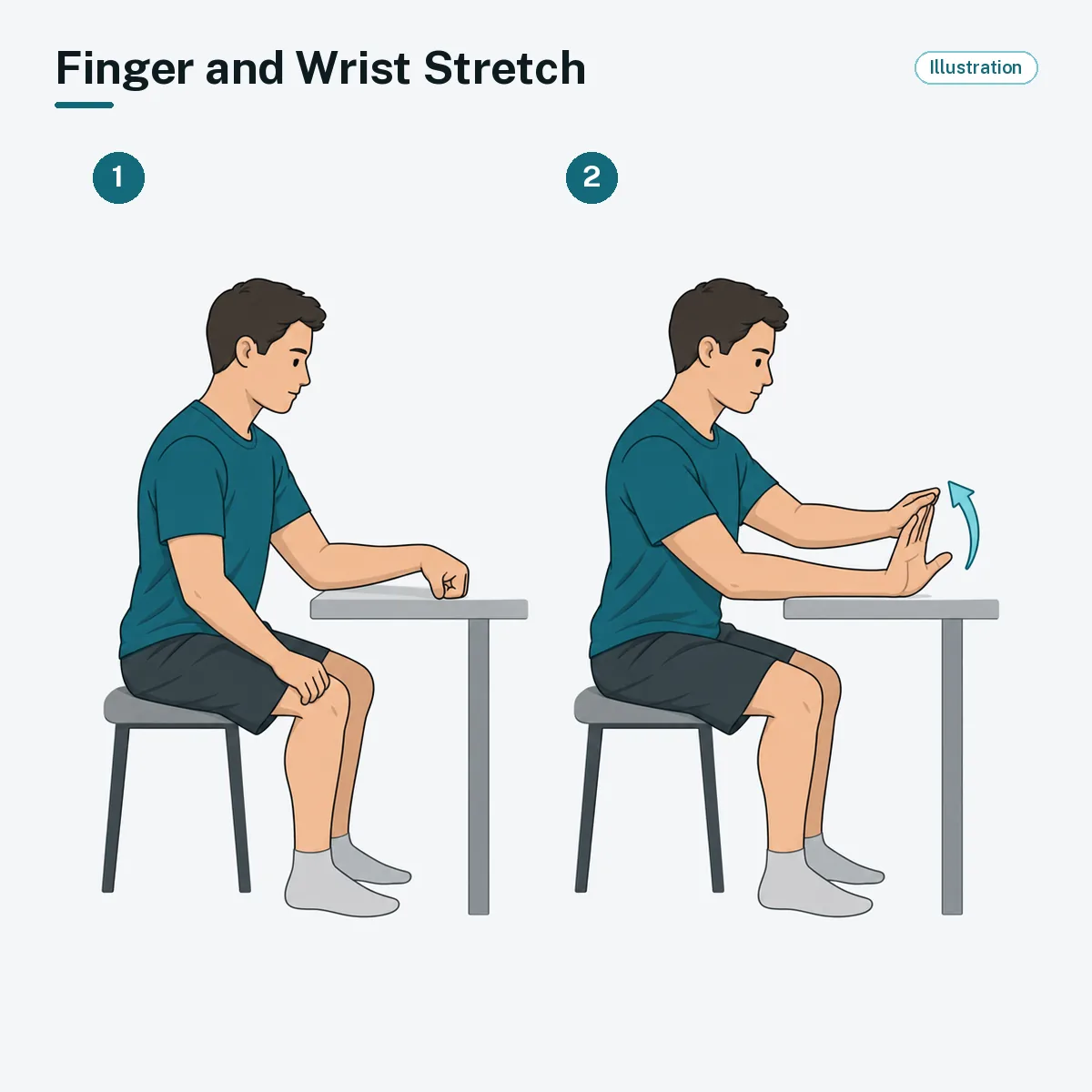 Finger and wrist stretch: Gently straighten the fingers and wrist. Hold 30–60 seconds. Repeat 3 times.
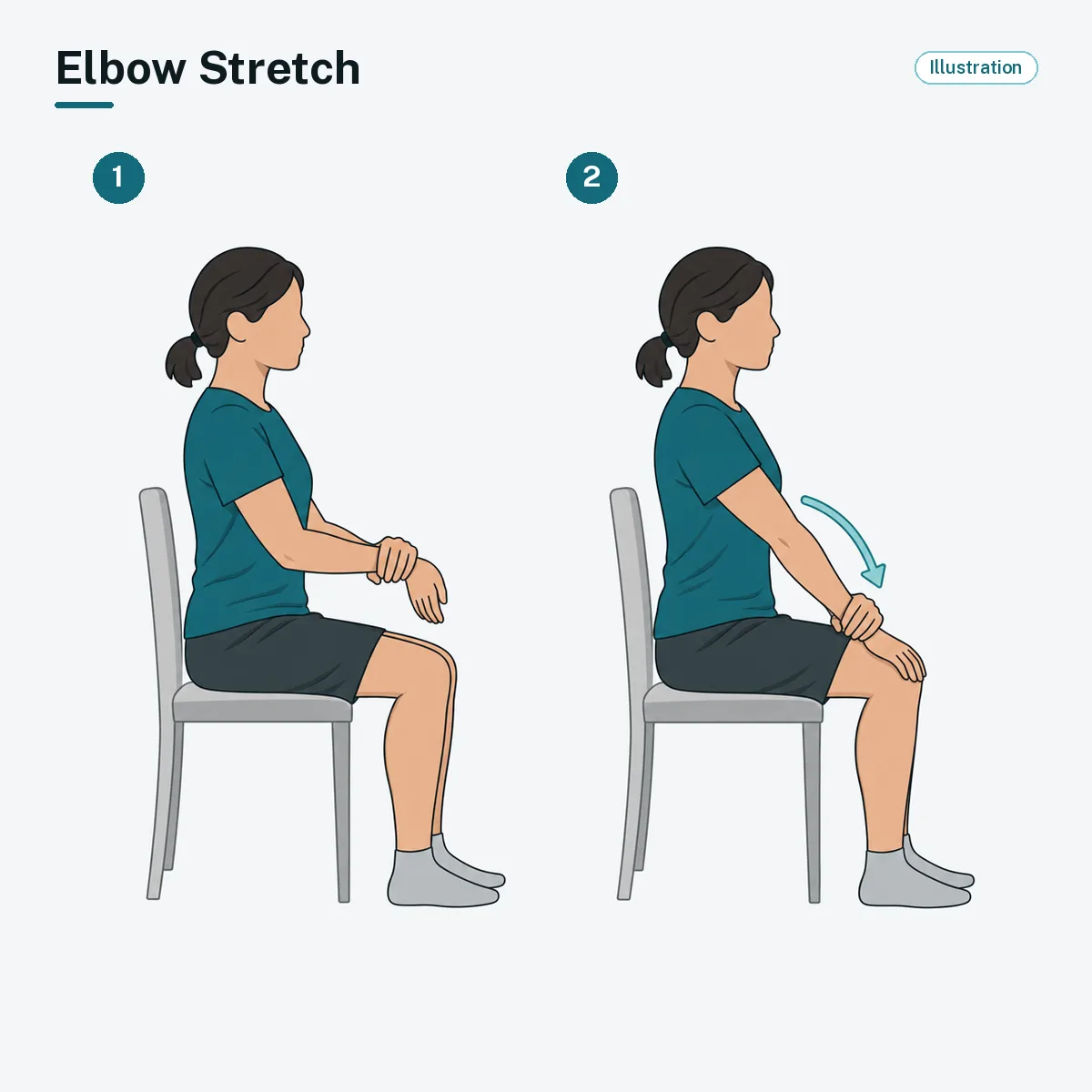 Elbow stretch: Slowly straighten the elbow as far as comfortable. Hold 30–60 seconds. Repeat 3 times.
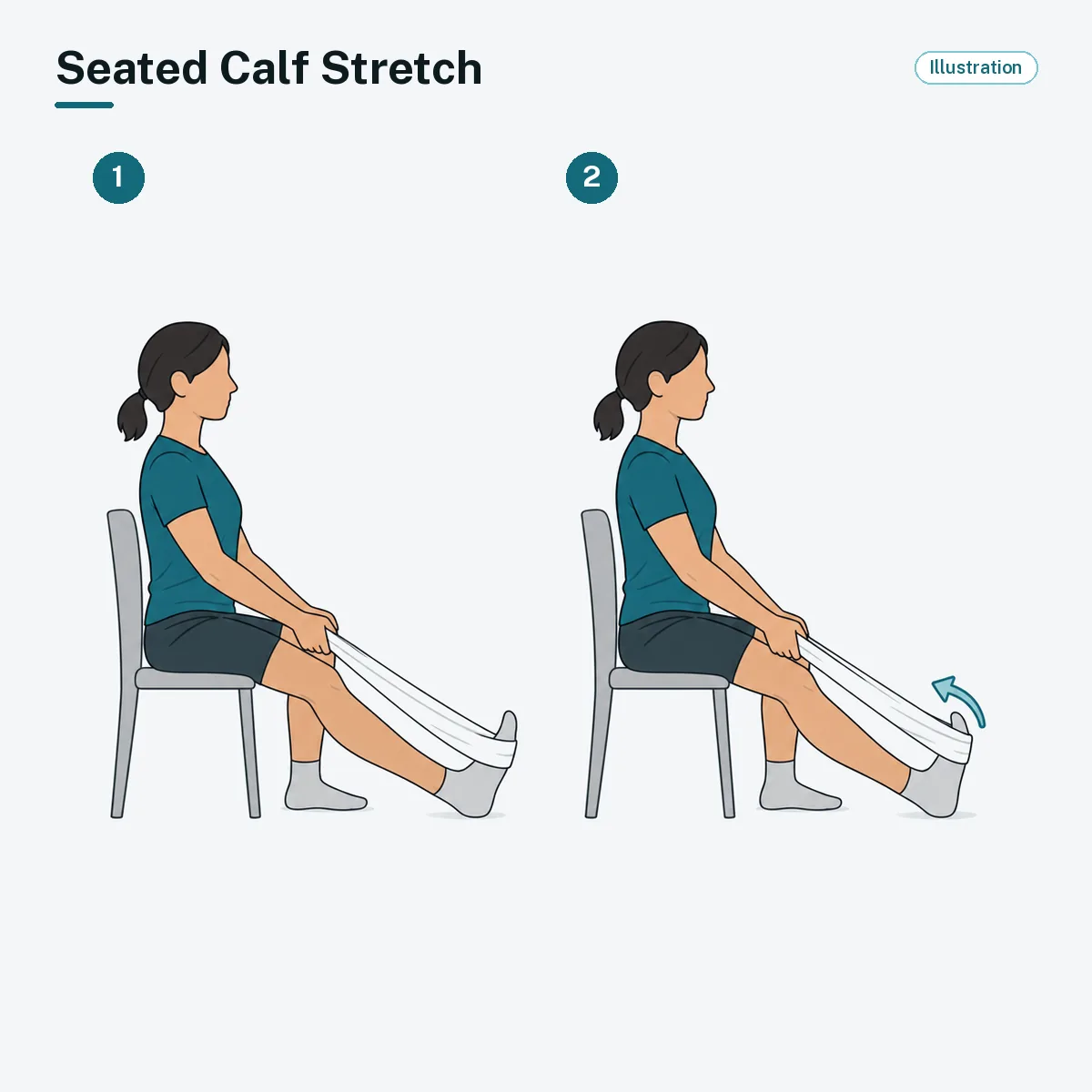 Calf stretch: Sitting or lying, gently pull the foot upward toward the shin. Hold 30–60 seconds. Repeat 3 times.
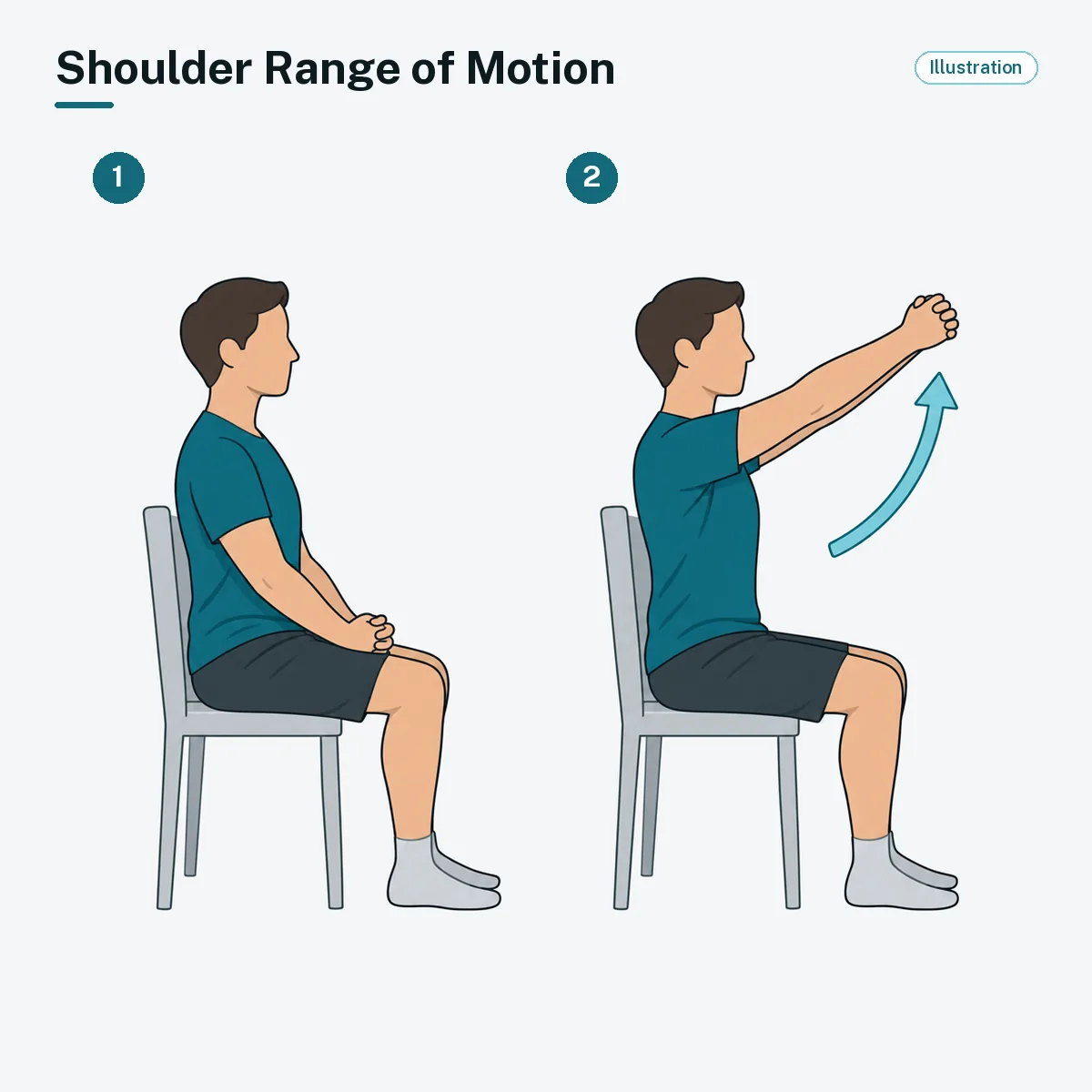 Shoulder range of motion: Clasp hands and raise the arms forward as high as comfortable. Repeat 10 times.
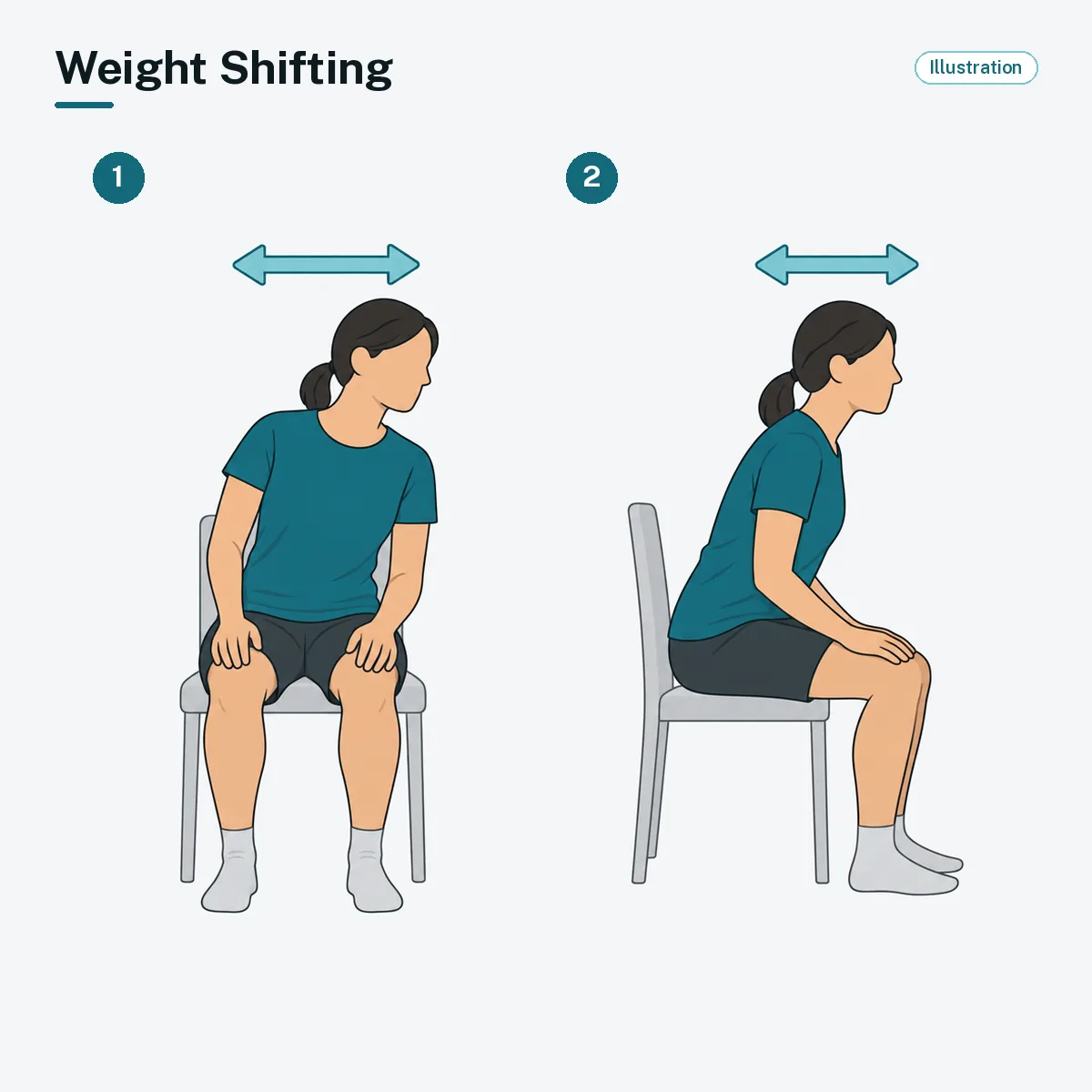 Weight shifting: While seated, shift your weight side to side and forward to back. Repeat 10 times.
Frequently asked questions
When should I see a doctor for spasticity after a stroke?
It may help to be seen when stiffness and tightness make dressing, hygiene, or walking difficult, or when tight muscles are causing pain. Untreated, spasticity can lead to contractures, which are fixed joint positions that keep a joint from fully straightening. Early treatment can help protect movement and comfort. Your physician can review the cause and timing of your spasticity and your goals.
What are the treatment options for spasticity?
Options may include stretching and positioning, physical and occupational therapy, and bracing or splinting such as hand splints and ankle-foot orthoses. Oral medications that can reduce muscle tone, botulinum toxin injections, and nerve blocks are other options. Physiatrists are specialists in managing spasticity and often coordinate care with neurologists, therapists, and caregivers. Your physician can help decide which approach fits your goals.
Can botulinum toxin injections help me do therapy for spasticity?
When muscle tightness makes it hard to progress with therapy or daily stretching, botulinum toxin injections may relax overactive muscles so you can take part more fully. Targeted injections can relax specific overactive muscles for several months. The goal is to help your therapy program work better, not to replace it. Your physician can discuss whether this fits your plan.
What home exercises help with spasticity?
Gentle daily range-of-motion work may help, such as straightening the fingers and wrist, straightening the elbow, and pulling the foot upward toward the shin, holding 30 to 60 seconds and repeating 3 times. Move slowly, never force a joint, and stop if there is pain. A caregiver may need to help, and your physician can review which exercises suit you.
Sources
- BOTOX (onabotulinumtoxinA) prescribing information. U.S. Food and Drug Administration, 2023.
- Stroke: signs and symptoms. National Institute of Neurological Disorders and Stroke (NIH).
Last updated: October 2026
