
Shoulder Arthritis
Shoulder arthritis is the wearing down of cartilage in the shoulder joint. It causes deep pain, stiffness, and grinding that can make reaching and lifting difficult. Non-surgical care can help relieve pain and preserve motion for many people.
Reviewed by Samuel Rosenberg, DO, FAAPMR
- Shoulder arthritis is the wearing down of cartilage in the shoulder joint.
- Common symptoms: deep, aching pain in the shoulder; pain that worsens with activity and at night; stiffness and loss of motion, especially rotating the arm; grinding, clicking, or catching.
- Treatment options: Physical therapy, activity modification, medications, ultrasound-guided injections, PRP and orthobiologics, suprascapular nerve block or ablation, surgical referral.
- Non-surgical care can help relieve pain and preserve motion for many people.
Understanding shoulder arthritis
The main shoulder joint is a ball and socket, called the glenohumeral joint. A smaller joint at the top of the shoulder is the acromioclavicular (AC) joint. Either can develop osteoarthritis with age, prior injury, or a long-standing rotator cuff tear. As cartilage thins, the joint becomes inflamed and motion becomes painful and limited.
Common symptoms
- Deep, aching pain in the shoulder
- Pain that worsens with activity and at night
- Stiffness and loss of motion, especially rotating the arm
- Grinding, clicking, or catching
- Pain at the top of the shoulder when reaching across the body (AC joint)
Treatment options
- Physical therapy: Gentle range-of-motion and strengthening exercises.
- Activity modification: Limiting heavy lifting and painful overhead motions.
- Medications: Anti-inflammatories, acetaminophen, and topical treatments.
- Ultrasound-guided injections: Corticosteroid injections into the shoulder or AC joint.
- PRP and orthobiologics: May reduce pain in selected patients.
- Suprascapular nerve block or ablation: Can reduce shoulder pain when injections are not enough.
- Surgical referral: Shoulder replacement is discussed for advanced arthritis.
Injections to support your therapy: When pain makes it hard to progress with physical therapy or home exercise, an image-guided injection may calm inflammation and reduce pain so you can participate more fully. The goal is to help your exercise program work better, not to replace it. Learn more about therapeutic injections.
What to expect at your visit
Your physician will ask about your pain, sleep, and the activities you want to return to. The exam measures shoulder motion, strength, and rotator cuff function. We review or order X-rays to grade the arthritis. In-office ultrasound allows precise, image-guided injections.
Home exercises
Move within a comfortable range and avoid forcing the joint.
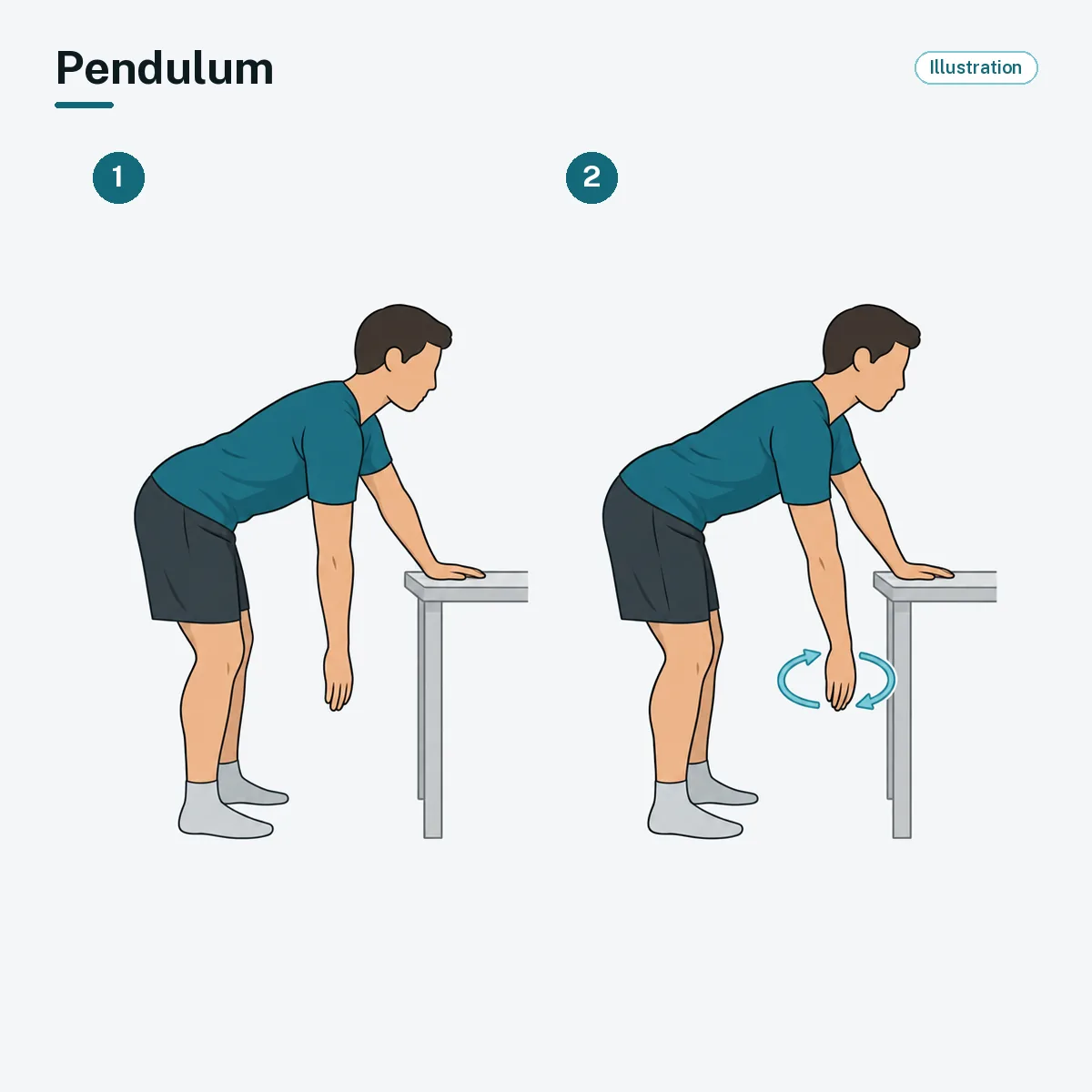 Pendulum: Lean forward and let the arm hang. Swing it in small circles. 30 seconds each direction.
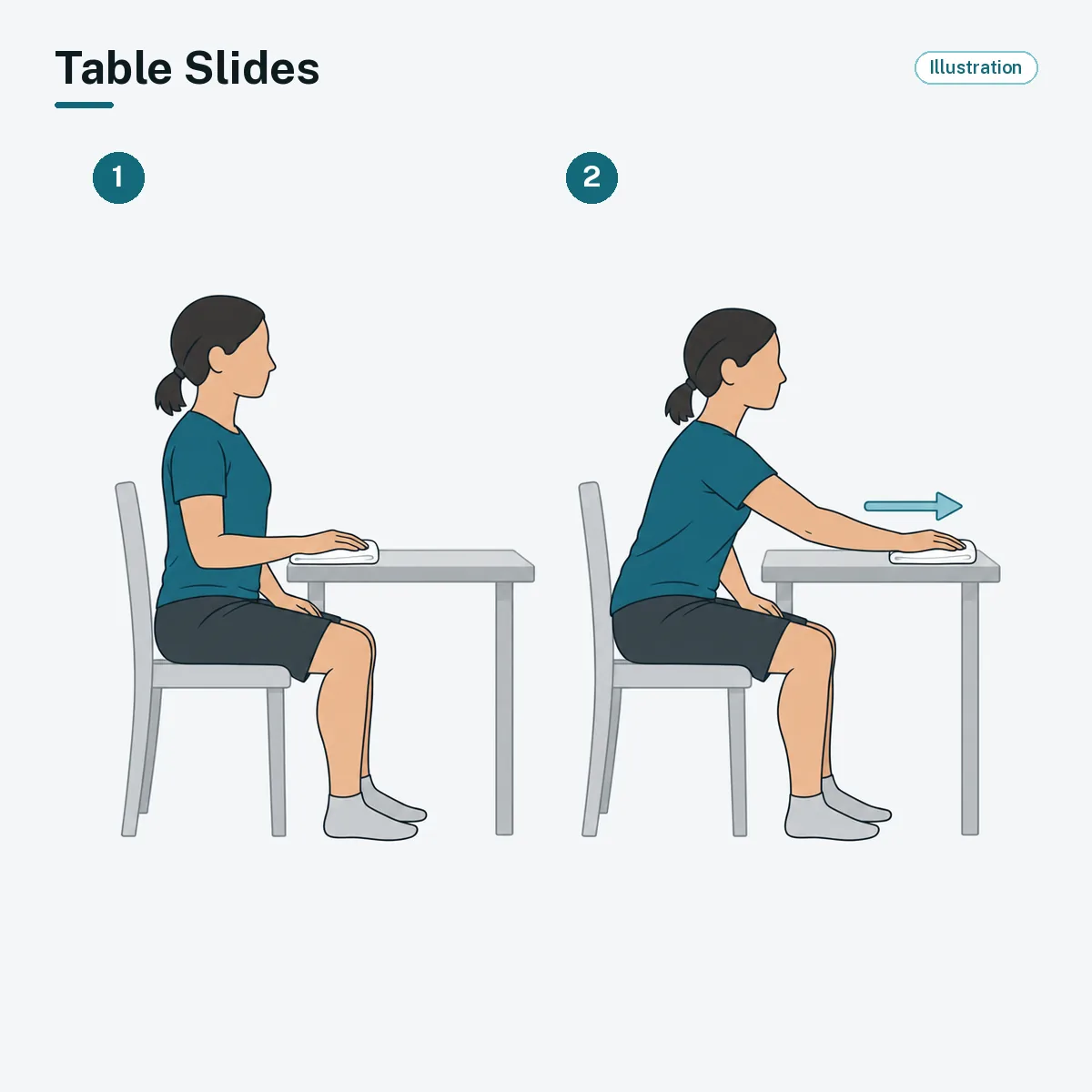 Table slides: Sit at a table and slide your hand forward on a towel. Hold 5 seconds. Repeat 10 times.
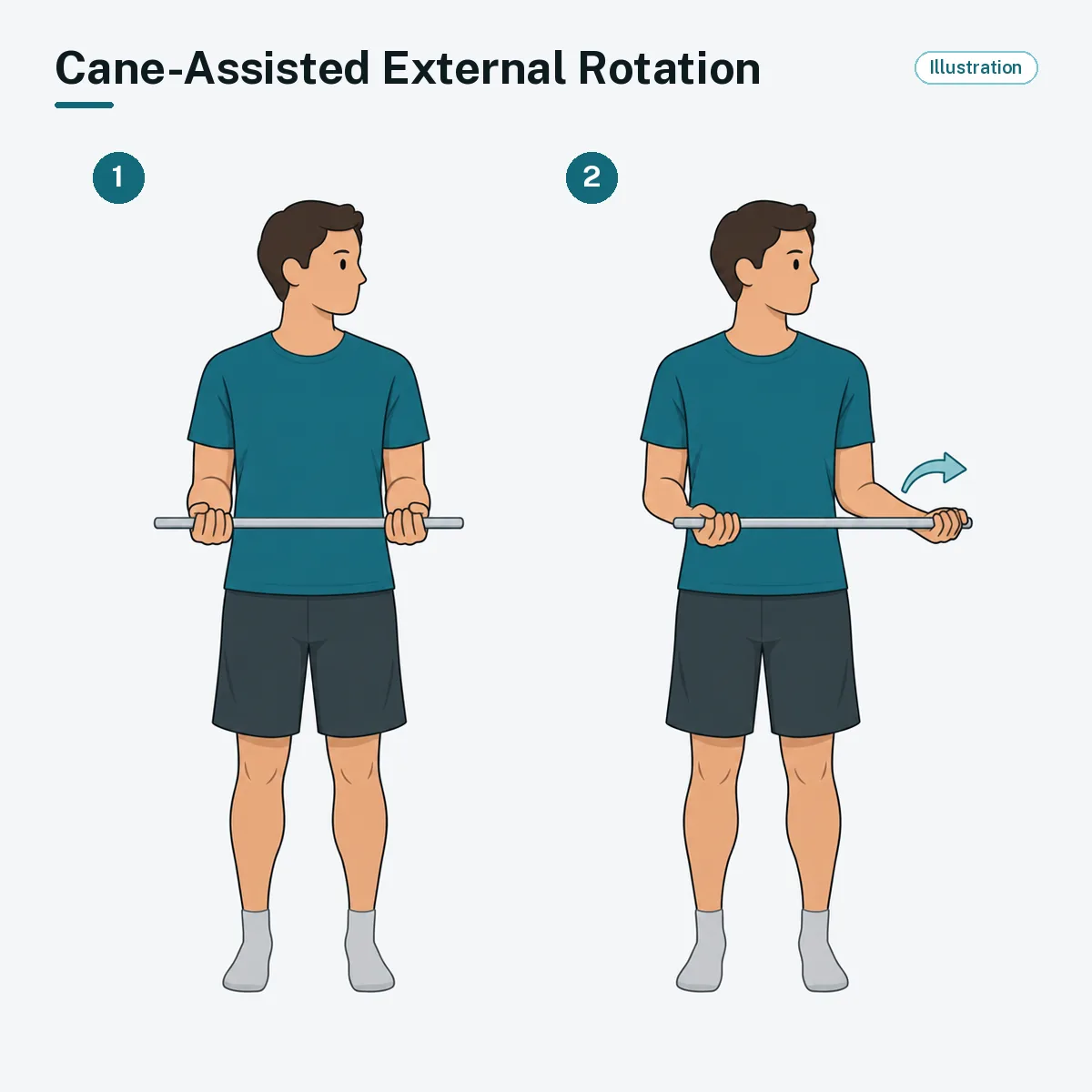 Cane-assisted external rotation: With your elbow at your side, use a cane in the other hand to gently push the arm outward. Repeat 10 times.
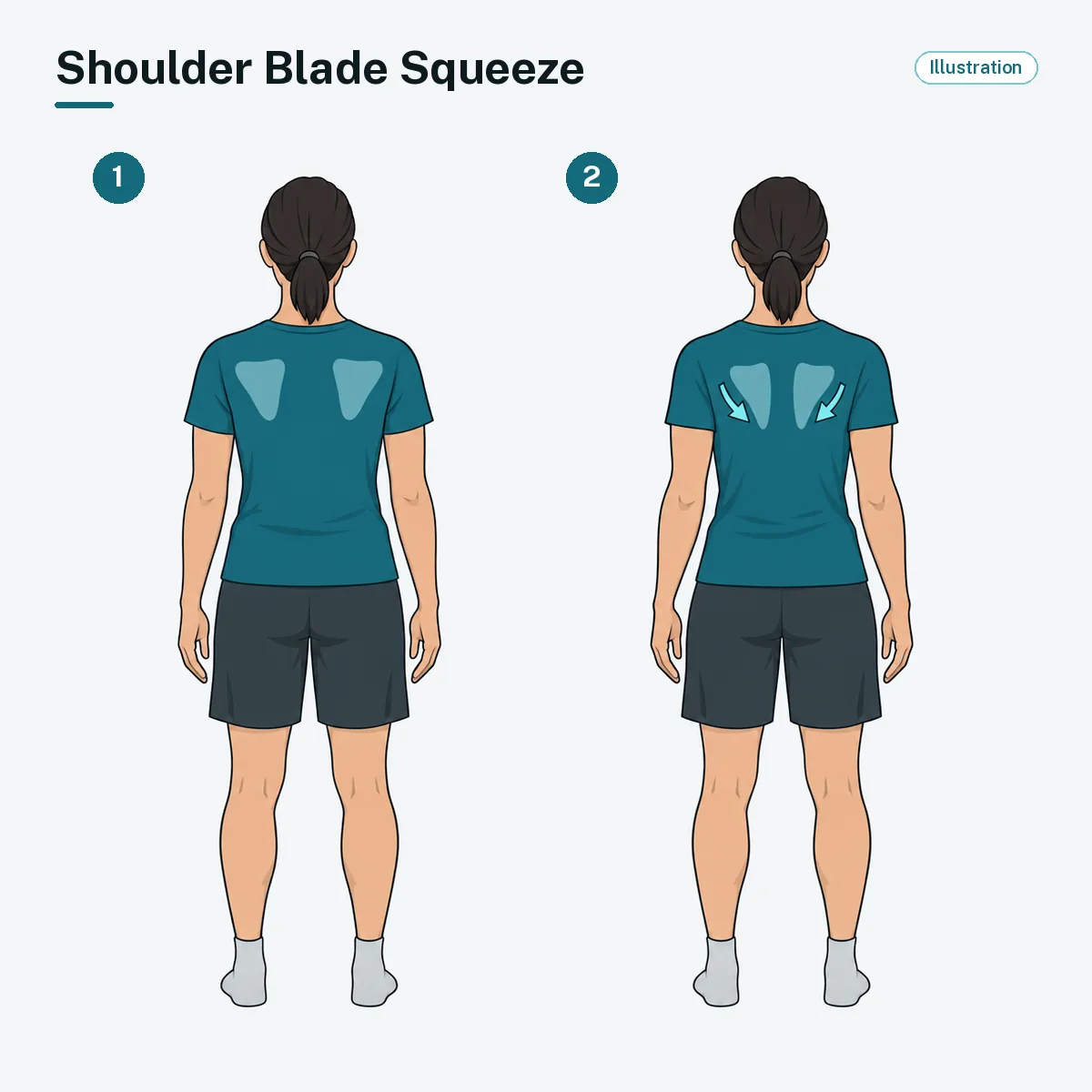 Shoulder blade squeeze: Pull your shoulder blades back and down. Hold 5 seconds. Repeat 10 times.
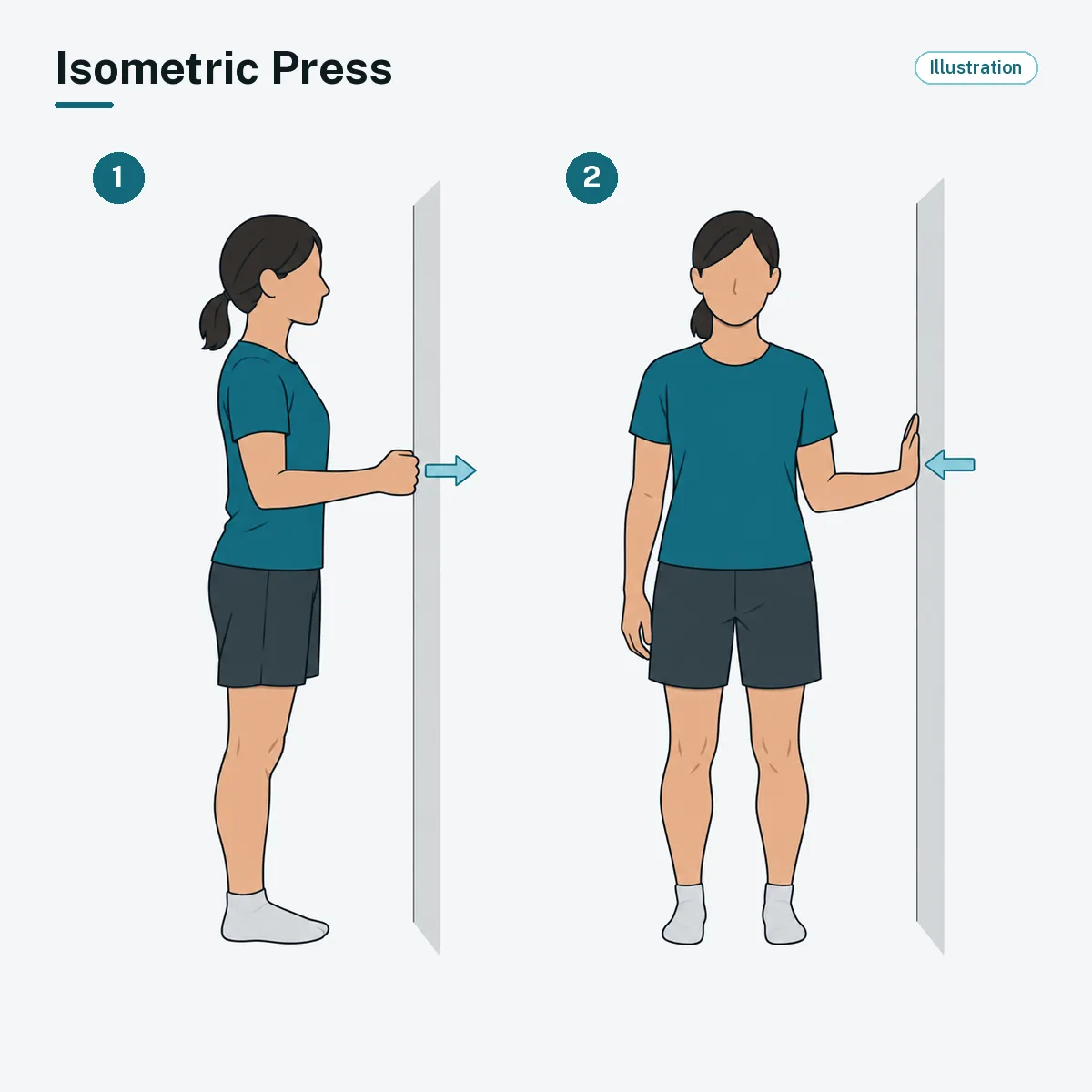 Isometric press: Press your hand gently into a wall in each direction for 5 seconds. Repeat 5 times each.
Frequently asked questions
When should I see a doctor for shoulder arthritis?
It may be time to see a physician if you have deep, aching shoulder pain, pain that worsens with activity or at night, or stiffness and loss of motion when rotating your arm. Grinding, clicking, or catching that makes reaching and lifting difficult is also worth checking. Your physician can review your symptoms and examine shoulder motion, strength, and rotator cuff function.
Do I need an X-ray for shoulder arthritis?
X-rays are often reviewed or ordered to help grade the arthritis. In-office ultrasound may also be used so injections can be image-guided. Your physician can help decide which tests make sense for your situation.
What are the treatment options for shoulder arthritis without surgery?
Non-surgical care can help relieve pain and preserve motion for many people. Options may include physical therapy, activity modification such as limiting heavy lifting and overhead motions, and medications like anti-inflammatories, acetaminophen, and topical treatments. Ultrasound-guided corticosteroid injections, PRP and orthobiologics, or a suprascapular nerve block or ablation may also be considered with your physician.
Can injections help me do physical therapy for my shoulder arthritis?
When pain makes it hard to progress with physical therapy or home exercise, an image-guided injection may calm inflammation and reduce pain so you can take part more fully. The goal is to help your exercise program work better, not to replace it. Your physician can help decide whether an injection fits your care plan.
Sources
- Management of Glenohumeral Joint Osteoarthritis: Evidence-Based Clinical Practice Guideline. American Academy of Orthopaedic Surgeons (AAOS), 2020.
Last updated: October 2026
