
Peripheral Neuropathy and Nerve Pain
Peripheral neuropathy is damage to the nerves outside the brain and spinal cord, most often in the feet and hands. It can cause burning pain, numbness, and balance problems. Accurate diagnosis and targeted treatment can help ease symptoms and protect function.
Reviewed by Samuel Rosenberg, DO, FAAPMR
- Peripheral neuropathy is damage to the nerves outside the brain and spinal cord, most often in the feet and hands.
- Common symptoms: burning, stabbing, or electric pain in the feet or hands; numbness or a feeling of wearing socks or gloves; tingling or pins-and-needles; sensitivity to light touch, such as bed sheets.
- Treatment options: Finding the cause, blood sugar control, nerve pain medications, topical treatments, physical therapy, nerve blocks, foot care.
- Accurate diagnosis and targeted treatment can help ease symptoms and protect function.
- Seek care right away if weakness or numbness spreads quickly over hours or days, or if you have trouble breathing or swallowing. If you have diabetes, have any foot sore or wound that is not healing checked promptly.
Understanding neuropathy and nerve pain
Peripheral nerves carry sensation and control muscles. Diabetes is the most common cause of neuropathy. Other causes include vitamin deficiencies, alcohol use, certain medications, chemotherapy, thyroid disease, and inherited conditions. Nerve pain can also follow shingles (postherpetic neuralgia) or a nerve injury. Symptoms usually start in the toes and feet and can move upward over time.
Common symptoms
- Burning, stabbing, or electric pain in the feet or hands
- Numbness or a feeling of wearing socks or gloves
- Tingling or pins-and-needles
- Sensitivity to light touch, such as bed sheets
- Weakness or loss of balance
- Symptoms that are often worse at night
Seek care right away if weakness or numbness spreads quickly over hours or days, or if you have trouble breathing or swallowing. If you have diabetes, have any foot sore or wound that is not healing checked promptly.
Treatment options
- Finding the cause: Blood tests and nerve studies to identify treatable causes.
- Blood sugar control: Important for people with diabetes.
- Nerve pain medications: Medicines designed to calm overactive nerves.
- Topical treatments: Lidocaine or capsaicin creams and patches.
- Physical therapy: Balance training and strengthening to help prevent falls.
- Nerve blocks: For localized nerve pain, such as after shingles.
- Foot care: Daily foot checks and proper footwear to help prevent injury.
What to expect at your visit
Your physician will ask about your symptoms, medical history, medications, and family history. The exam tests sensation, reflexes, strength, and balance. We may order blood work and perform EMG and nerve conduction studies to measure nerve function and confirm the diagnosis. Results guide a personalized treatment plan.
Home exercises
Check your feet daily for cuts or blisters. Wear supportive shoes during exercise.
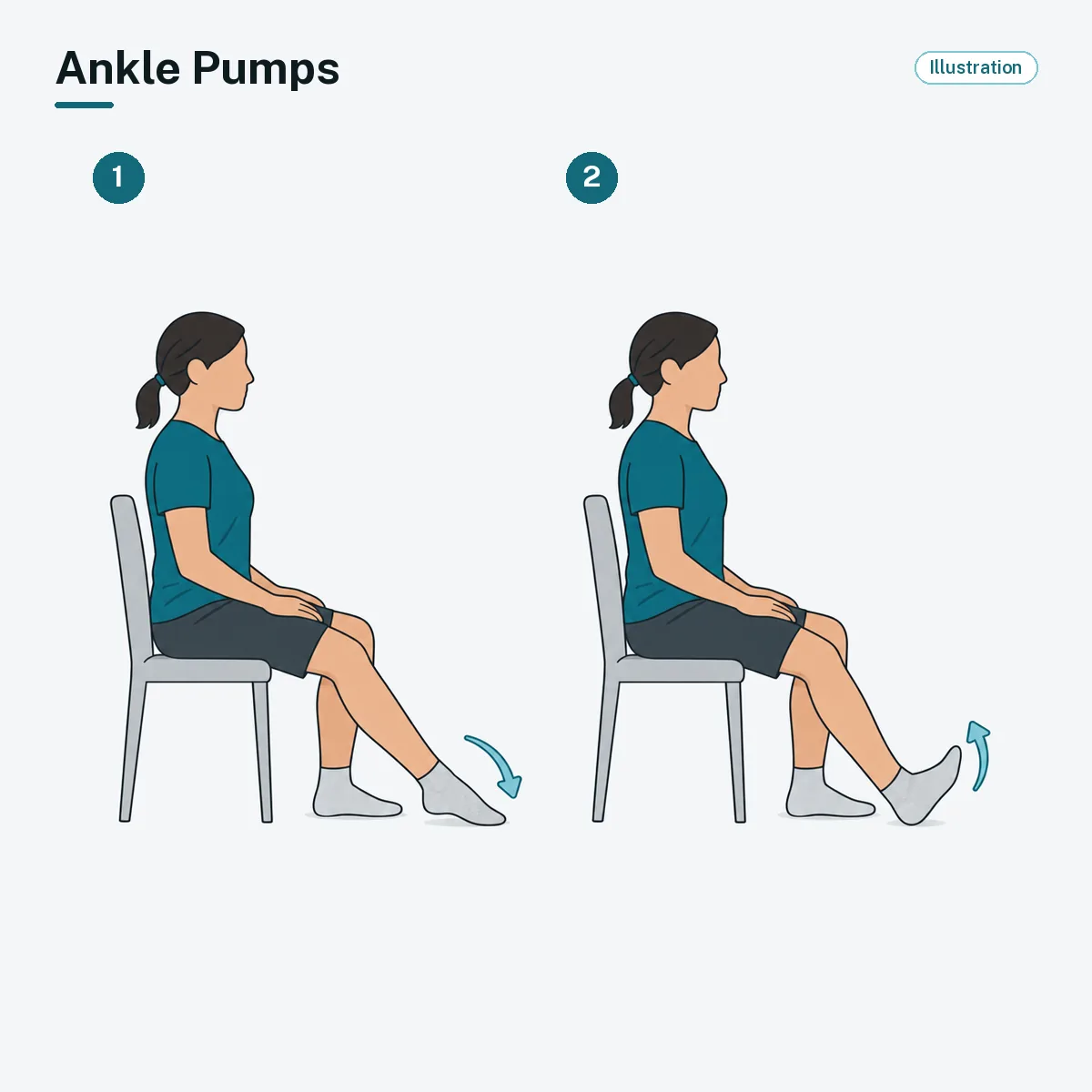 Ankle pumps: Sit and point your toes up and down. Repeat 20 times.
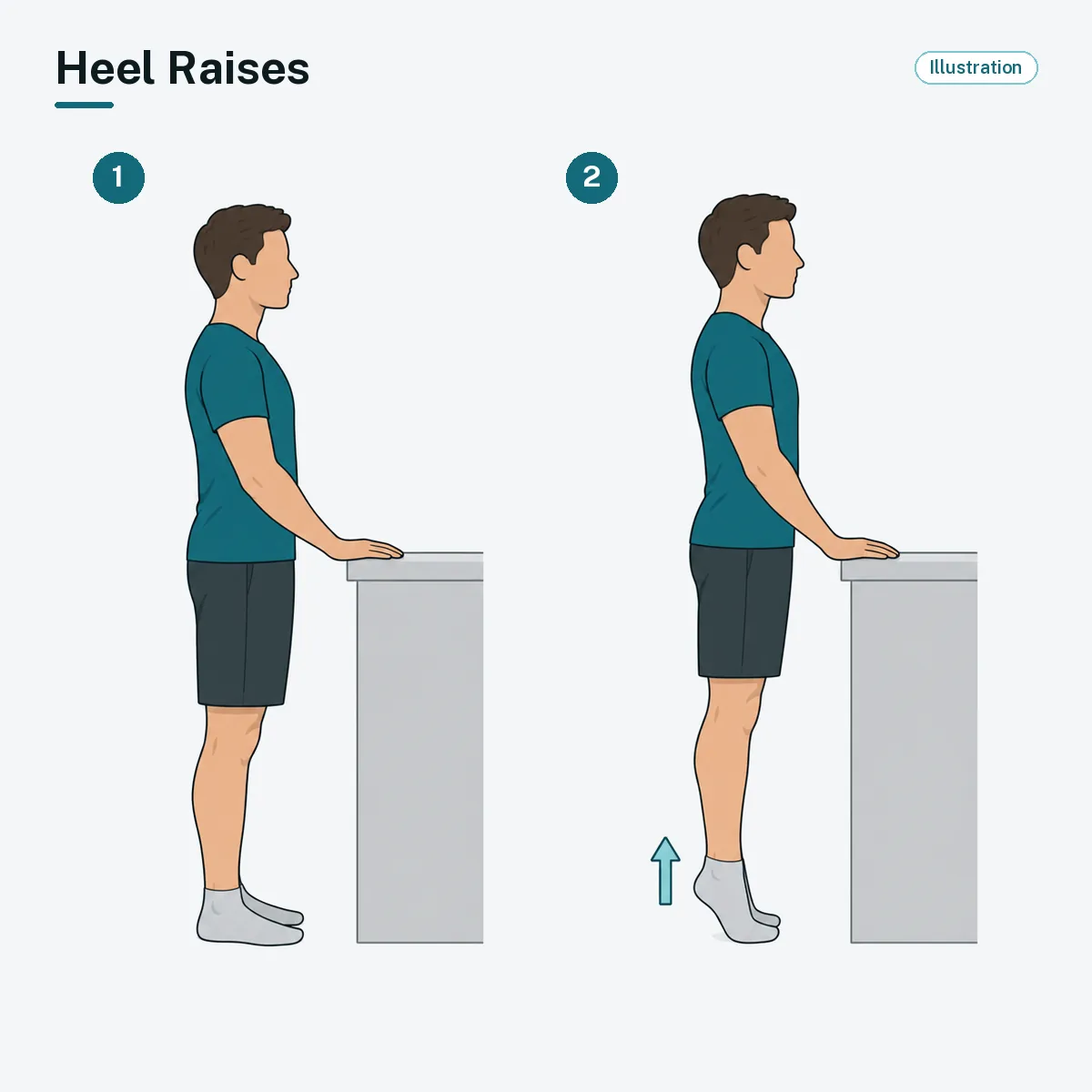 Heel raises: Holding a counter, rise up on your toes and lower slowly. Repeat 10 times.
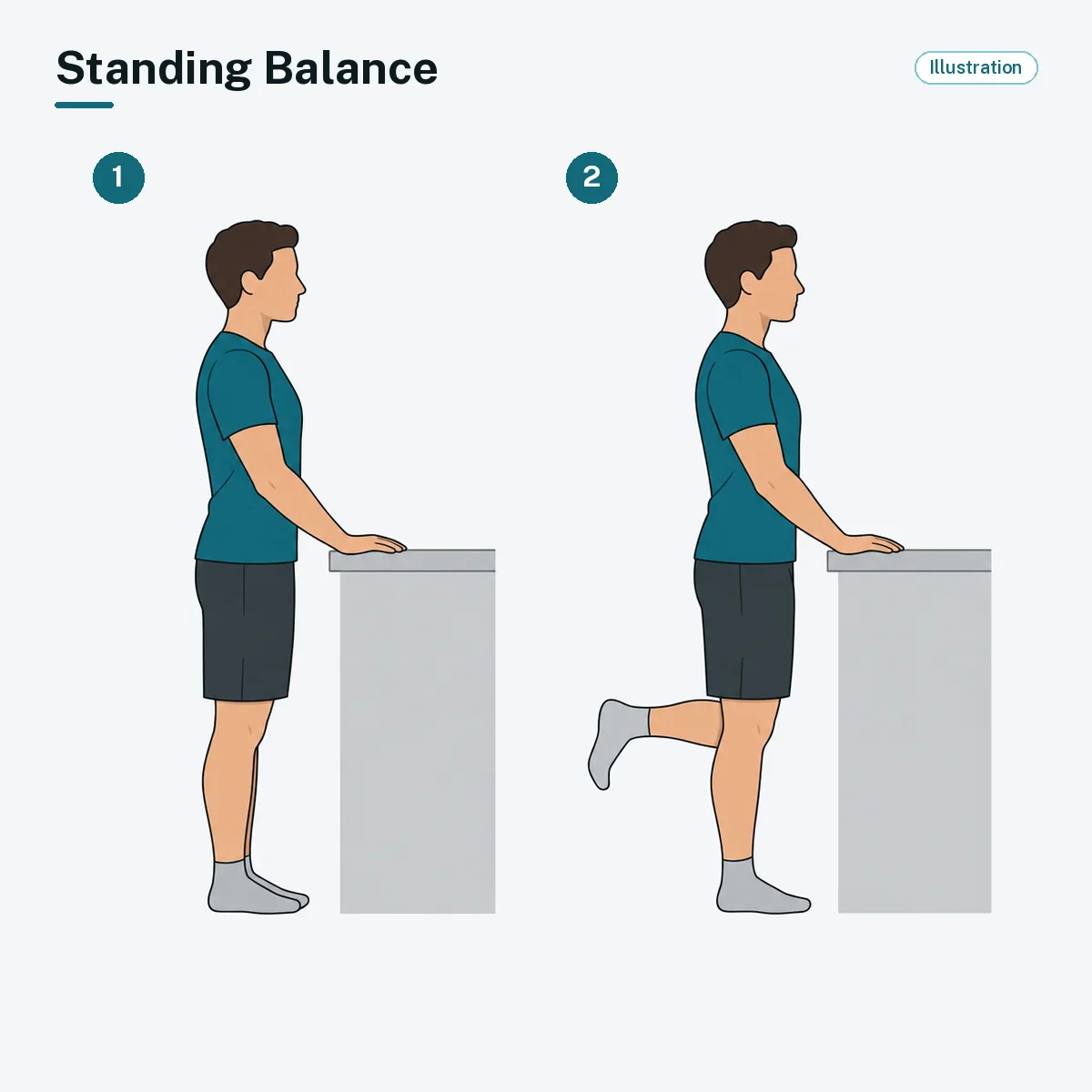 Standing balance: Hold a counter and stand with feet together for 30 seconds. Progress to one foot when safe.
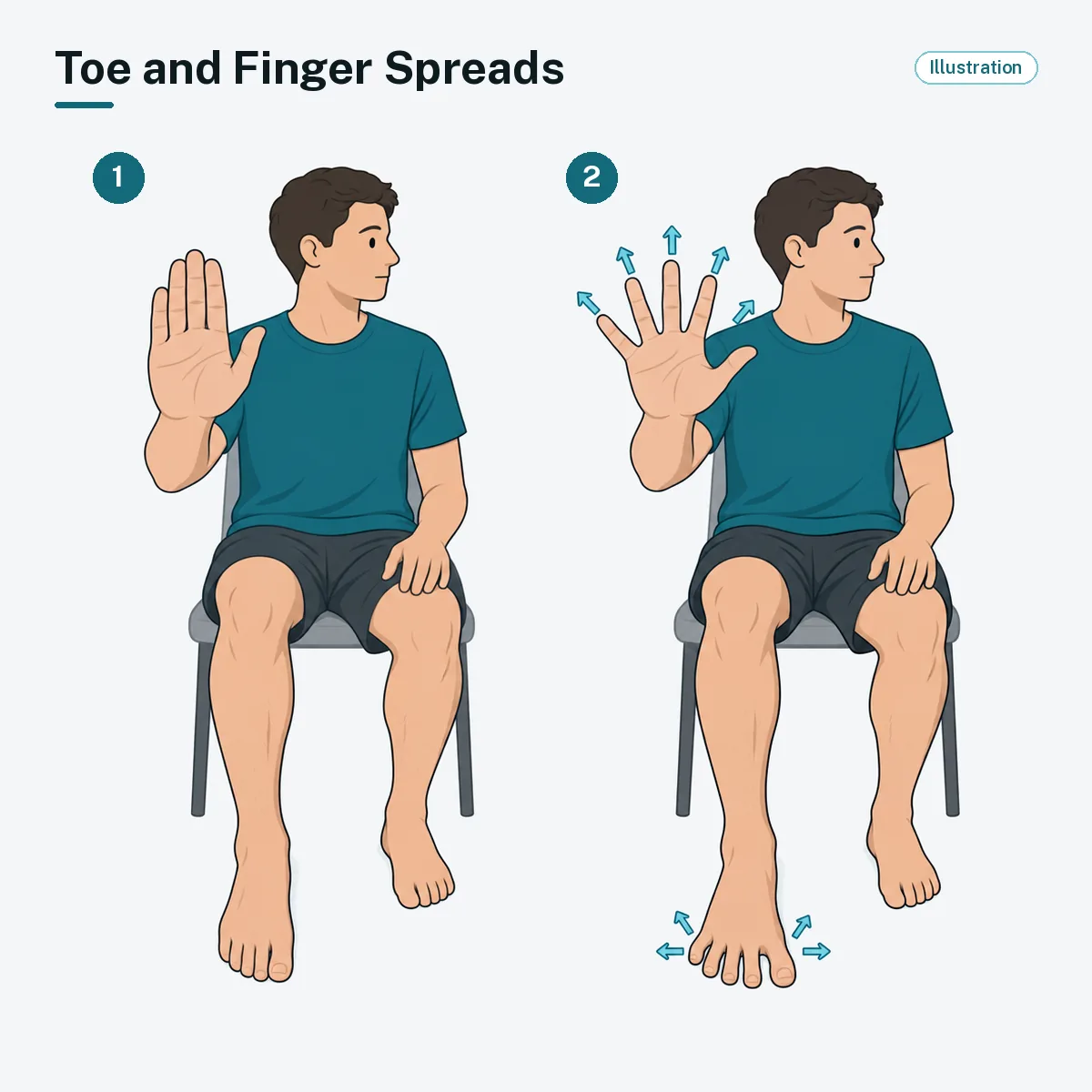 Toe and finger spreads: Spread and relax your toes and fingers. Repeat 10 times.
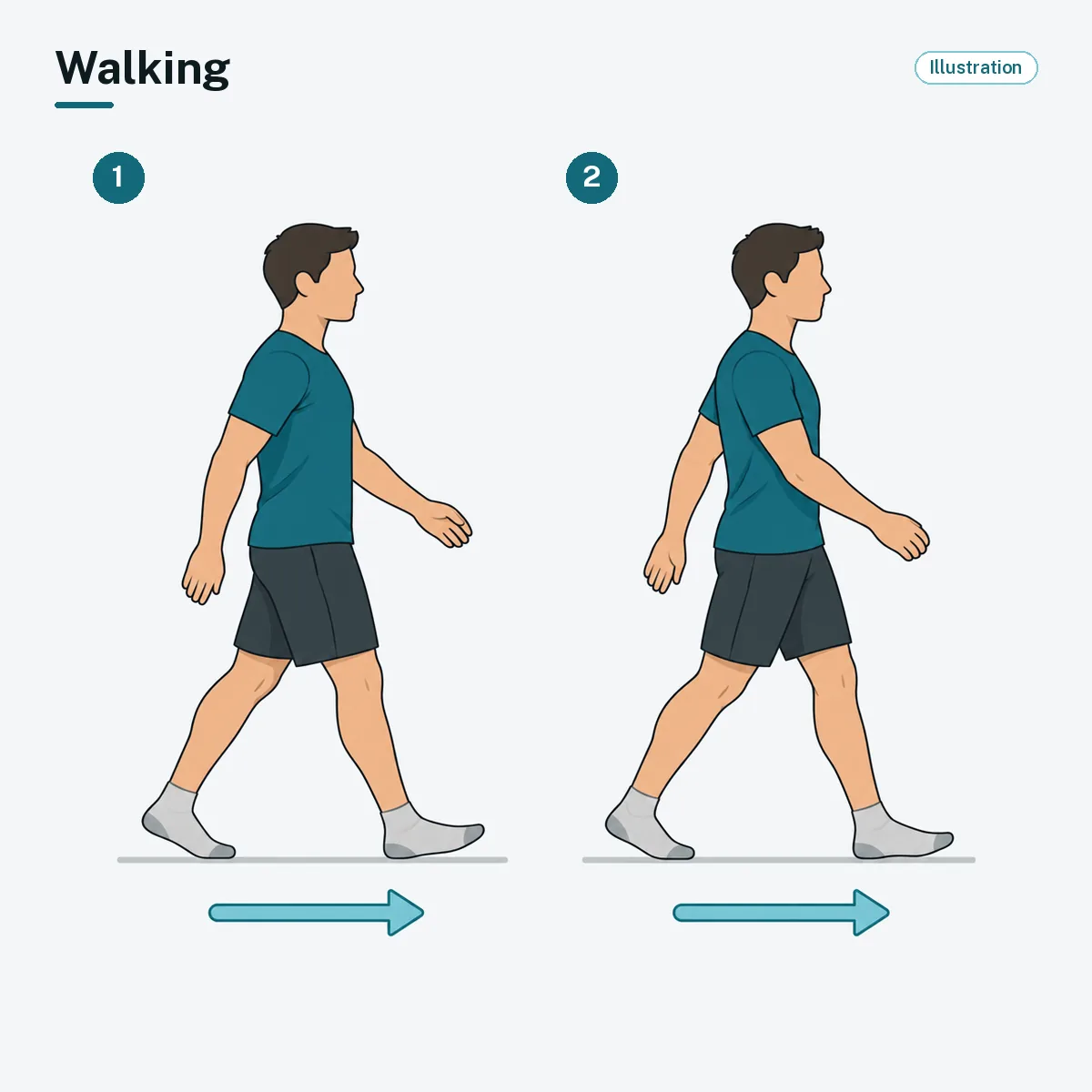 Daily walking: 10–20 minutes on a safe, even surface to support circulation.
Frequently asked questions
When should I see a doctor for peripheral neuropathy?
Many people check with a physician for burning, stabbing, or electric pain in the feet or hands, numbness like wearing socks or gloves, tingling, or sensitivity to light touch such as bed sheets. Weakness or loss of balance is also worth discussing. Symptoms often start in the toes and feet and can move upward over time. Your physician can look for treatable causes.
What tests are used to diagnose peripheral neuropathy?
Your physician may ask about your symptoms, medical history, medications, and family history, and the exam tests sensation, reflexes, strength, and balance. Blood work may be ordered, and EMG and nerve conduction studies may be performed to measure nerve function and help confirm the diagnosis. Results guide a personalized treatment plan, and your physician can advise which tests make sense for you.
How is nerve pain from peripheral neuropathy treated?
Care often starts with finding the cause, since diabetes, vitamin deficiencies, thyroid disease, and certain medications can play a role. Options may include blood sugar control for people with diabetes, nerve pain medications, topical lidocaine or capsaicin, physical therapy with balance training, and nerve blocks for localized pain. Daily foot checks and proper footwear may help prevent injury. Your physician can help build a plan that fits you.
What can I do at home for neuropathy in my feet?
Checking your feet daily for cuts or blisters and wearing supportive shoes during exercise may help. Gentle options include ankle pumps 20 times, heel raises 10 times while holding a counter, standing with feet together for 30 seconds, and toe and finger spreads 10 times. Daily walking of 10 to 20 minutes on a safe, even surface may support circulation. Ask your physician what is right for you.
Sources
- Guillain-Barré syndrome. National Institute of Neurological Disorders and Stroke (NIH).
Last updated: October 2026
