
Knee Arthritis (Osteoarthritis of the Knee)
Knee osteoarthritis is a gradual wearing down of the cartilage that cushions the knee joint. It is one of the most common causes of knee pain in adults. With non-surgical care, many people stay active and may delay or avoid knee replacement.
Reviewed by Samuel Rosenberg, DO, FAAPMR
- Knee osteoarthritis is a gradual wearing down of the cartilage that cushions the knee joint.
- Common symptoms: aching pain with walking, stairs, or standing up from a chair; stiffness in the morning or after sitting; swelling or a feeling of warmth in the knee; grinding, clicking, or cracking sounds.
- Treatment options: Exercise and physical therapy, weight management, medications, bracing, corticosteroid injections, hyaluronic acid (gel) injections, platelet-rich plasma (PRP) and orthobiologics, genicular nerve procedures, surgical referral.
- With non-surgical care, many people stay active and may delay or avoid knee replacement.
Understanding knee arthritis
Healthy cartilage lets the bones of the knee glide smoothly. In osteoarthritis, this cartilage thins and roughens over time. The joint can become inflamed and stiff, and bone spurs may form. Age, prior injury, body weight, genetics, and alignment all play a role. It can affect one knee or both.
Common symptoms
- Aching pain with walking, stairs, or standing up from a chair
- Stiffness in the morning or after sitting
- Swelling or a feeling of warmth in the knee
- Grinding, clicking, or cracking sounds
- A sense that the knee may give way
- Reduced ability to fully bend or straighten the knee
Treatment options
- Exercise and physical therapy: Strengthening the thigh and hip muscles can help reduce stress on the joint.
- Weight management: Extra body weight adds stress to the knee joint.
- Medications: Topical or oral anti-inflammatories and acetaminophen.
- Bracing: Unloader braces or sleeves can improve comfort and stability.
- Corticosteroid injections: Ultrasound-guided injections can help reduce inflammation during flare-ups.
- Hyaluronic acid (gel) injections: These may improve joint lubrication and comfort.
- Platelet-rich plasma (PRP) and orthobiologics: Regenerative injections that use your body’s own healing factors to help with pain and functioning.
- Genicular nerve procedures: Nerve blocks or radiofrequency ablation can quiet the nerves that carry knee pain.
- Surgical referral: Knee replacement is discussed when pain limits daily life despite other care.
Injections to support your therapy: When pain makes it hard to progress with physical therapy or home exercise, an image-guided injection may calm inflammation and reduce pain so you can participate more fully. The goal is to help your exercise program work better, not to replace it. Learn more about therapeutic injections.
What to expect at your visit
Your physician will review your symptoms, activity goals, and past treatments. The exam checks range of motion, swelling, stability, and alignment. We may perform an in-office ultrasound or order X-rays to assess the joint. Together, we will build a plan that fits your goals, from staying on the golf course to walking with less pain.
Home exercises
Aim for gentle effort. Some discomfort is normal, but pain should not last more than an hour afterward.
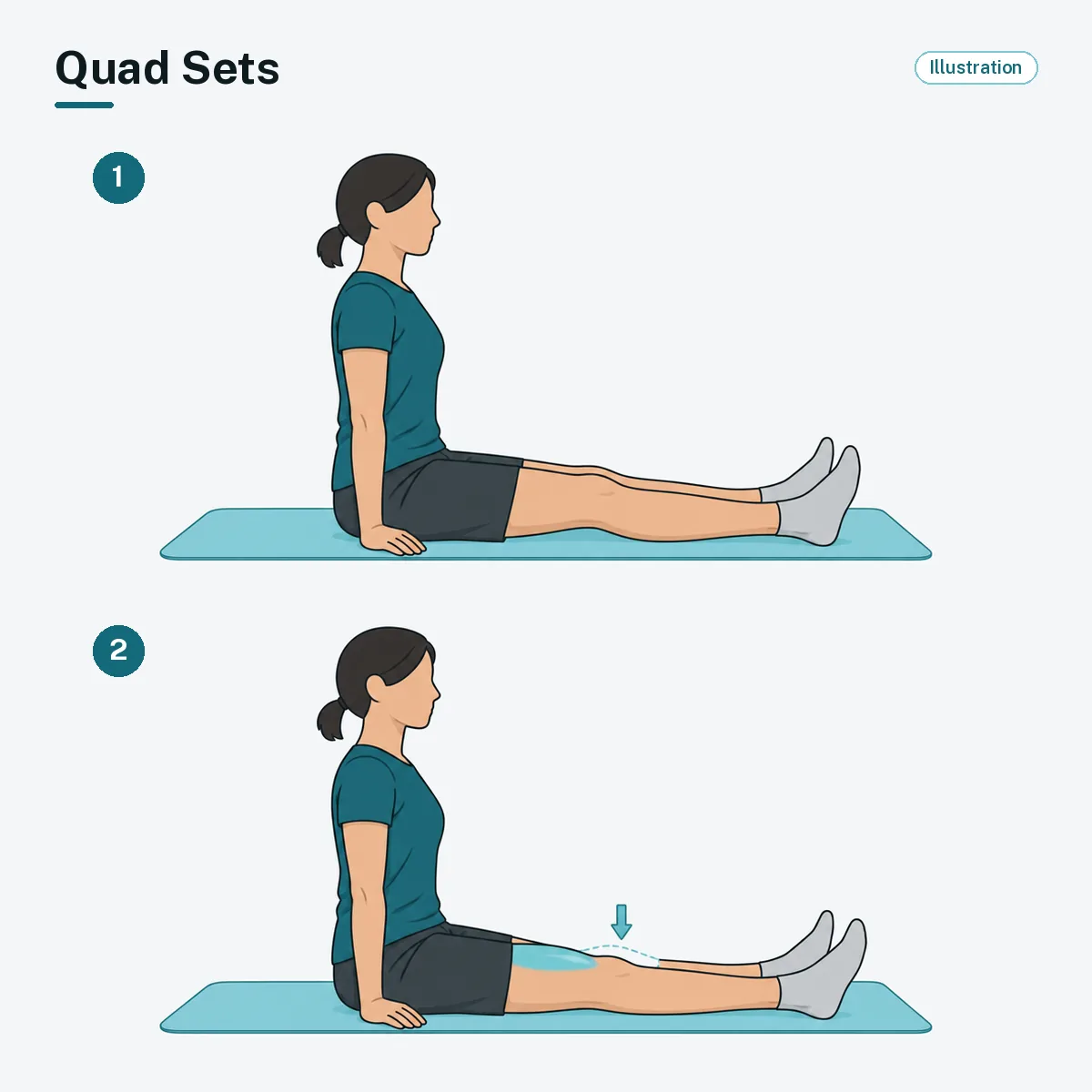 Quad sets: Sit with your leg straight. Tighten the thigh muscle to press the back of your knee down. Hold 5 seconds. Repeat 10 times.
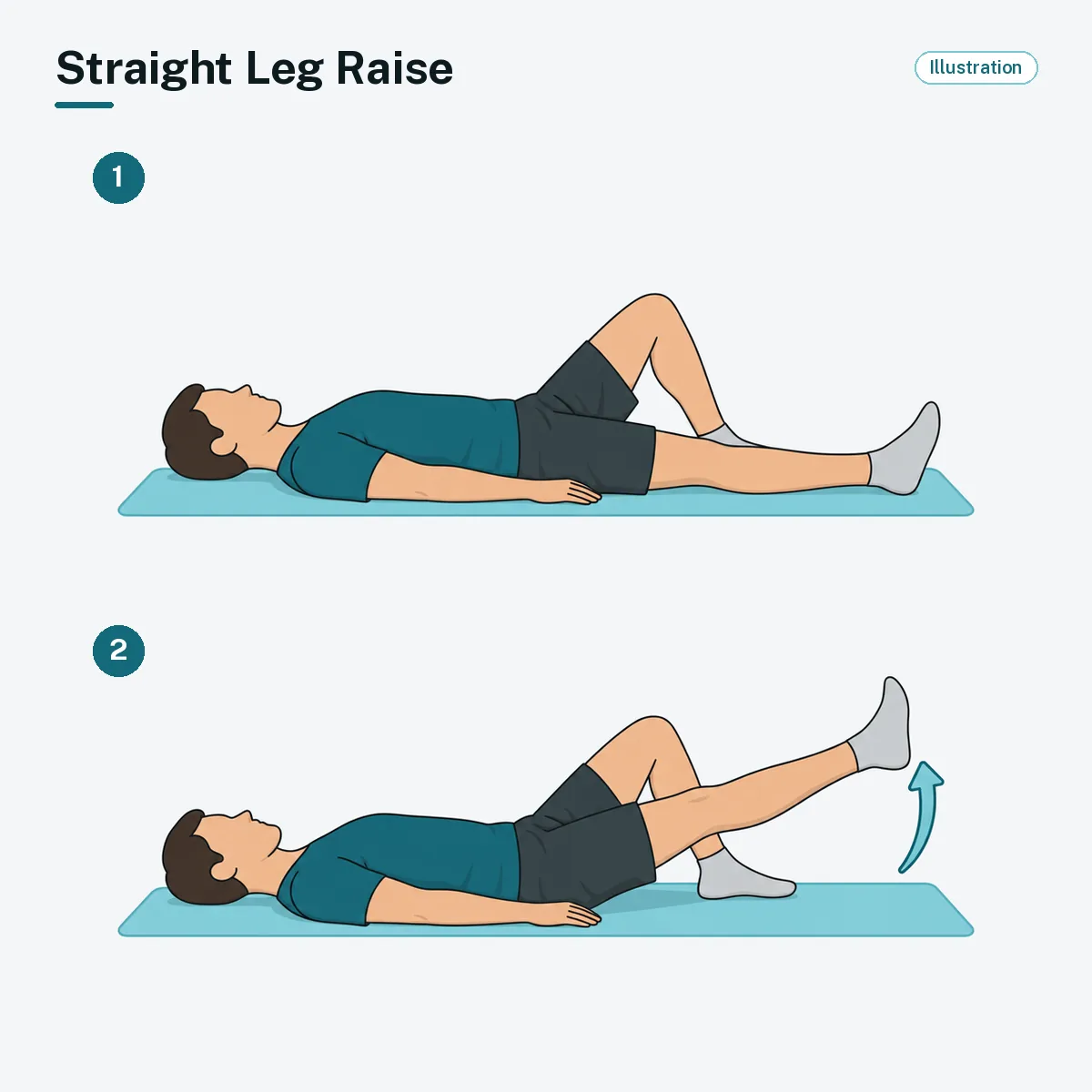 Straight leg raise: Lie on your back with one knee bent. Keep the other leg straight and lift it to the height of the bent knee. Repeat 10 times per side.
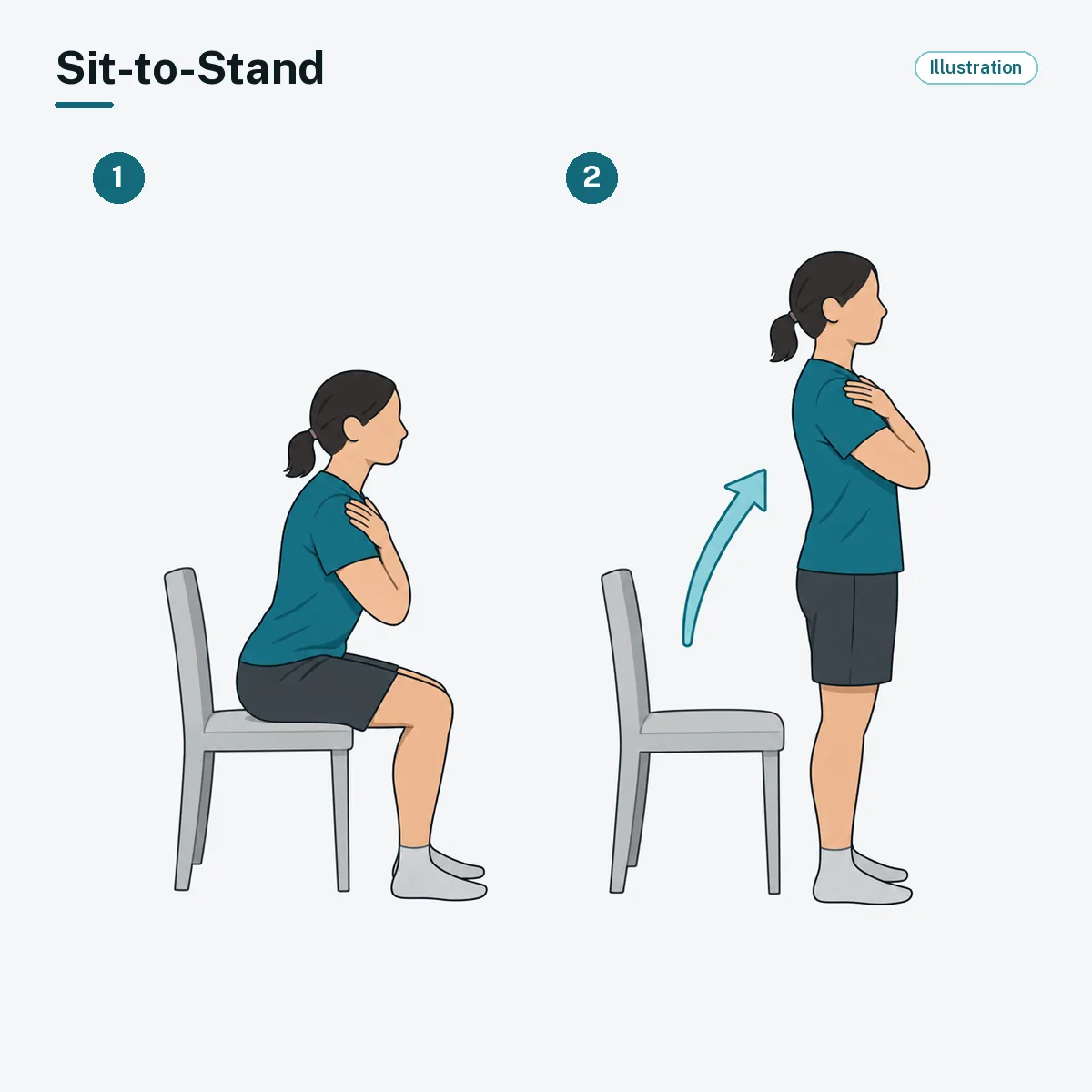 Sit-to-stand: From a sturdy chair, stand up slowly without using your hands if possible, then sit back down with control. Repeat 10 times.
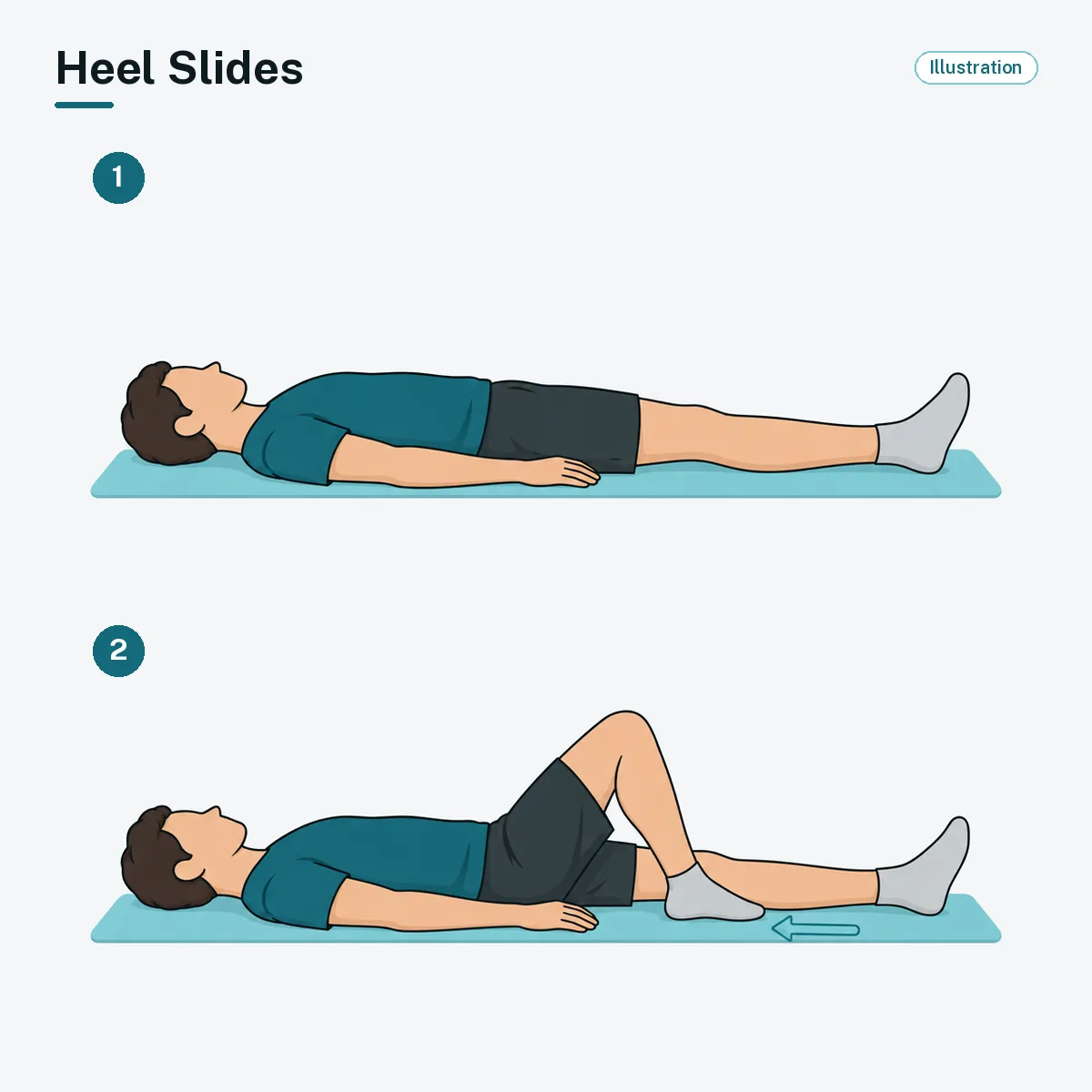 Heel slides: Lie on your back and slowly slide your heel toward your buttock, then straighten. Repeat 10 times.
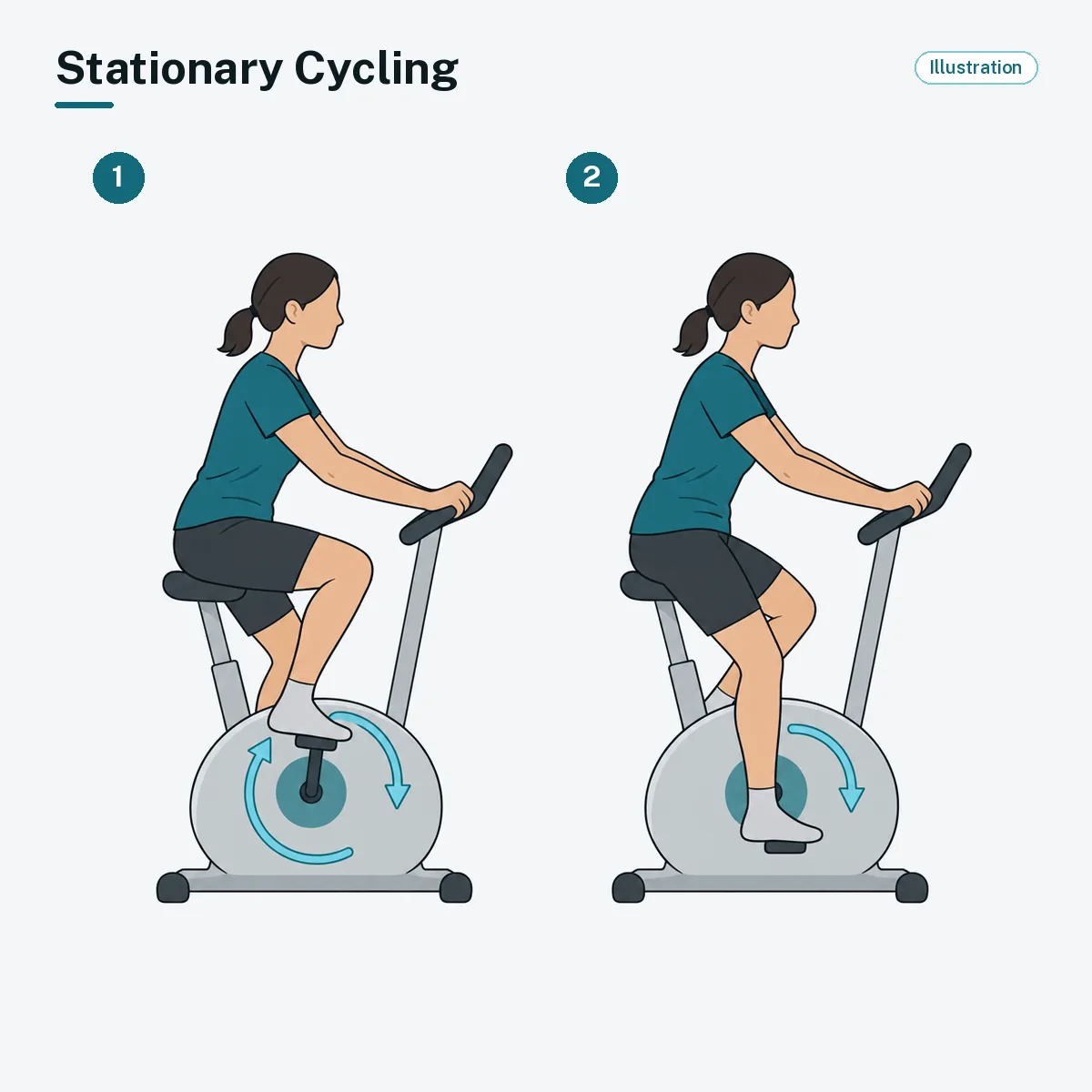 Stationary cycling or walking: 10–20 minutes of low-impact activity most days.
Frequently asked questions
When should I see a doctor for knee arthritis?
It may help to be seen when aching pain with walking, stairs, or standing up from a chair limits what you want to do. Stiffness in the morning or after sitting, swelling or warmth, grinding or clicking, or a sense that the knee may give way are also common reasons. Your physician can review your symptoms, activity goals, and past treatments and build a plan with you.
Do I need an X-ray for knee arthritis?
A visit often starts with an exam that checks range of motion, swelling, stability, and alignment. An in-office ultrasound or X-rays may also be used to assess the joint. Your physician can help decide what testing makes sense for you.
Can knee arthritis be treated without surgery?
With non-surgical care, many people stay active and may delay or avoid knee replacement. Options can include exercise and physical therapy to strengthen the thigh and hip muscles, weight management, topical or oral anti-inflammatories and acetaminophen, and bracing such as unloader braces or sleeves. Knee replacement is discussed when pain limits daily life despite other care. Your physician can help you weigh the options.
Can injections help me do physical therapy for knee arthritis?
When pain makes it hard to progress with physical therapy or home exercise, an image-guided injection may calm inflammation and reduce pain so you can take part more fully. Options can include corticosteroid, hyaluronic acid (gel), and PRP or other orthobiologic injections. The goal is to help your exercise program work better, not to replace it. Your physician can help decide whether an injection fits your situation.
Sources
- Management of Osteoarthritis of the Knee (Non-Arthroplasty): Evidence-Based Clinical Practice Guideline, 3rd edition. American Academy of Orthopaedic Surgeons (AAOS), 2021.
- Does this adult patient have septic arthritis?. JAMA, 2007.
Last updated: October 2026
