
Hip Arthritis (Osteoarthritis of the Hip)
Hip osteoarthritis is the gradual loss of cartilage in the ball-and-socket hip joint. It often causes groin pain and stiffness that limit walking and daily tasks. Non-surgical care can help ease pain and keep you active, and can help you decide when, or if, surgery is right.
Reviewed by Samuel Rosenberg, DO, FAAPMR
- Hip osteoarthritis is the gradual loss of cartilage in the ball-and-socket hip joint.
- Common symptoms: pain in the groin, front of the thigh, or buttock; stiffness, especially in the morning or after sitting; difficulty putting on shoes and socks; limping or reduced walking distance.
- Treatment options: Physical therapy, weight management and activity changes, medications, assistive devices, image-guided hip injections, PRP and orthobiologics, surgical referral.
- Non-surgical care can help ease pain and keep you active, and can help you decide when, or if, surgery is right.
Understanding hip arthritis
In a healthy hip, smooth cartilage covers the ball of the thigh bone and the socket of the pelvis. In osteoarthritis, the cartilage wears thin, the joint becomes inflamed, and bone spurs can form. Age, prior injury, genetics, and hip shape all contribute. Pain from the hip joint is usually felt in the groin and front of the thigh, and sometimes the knee.
Common symptoms
- Pain in the groin, front of the thigh, or buttock
- Stiffness, especially in the morning or after sitting
- Difficulty putting on shoes and socks
- Limping or reduced walking distance
- Loss of hip motion
- Pain that may be felt in the knee
Treatment options
- Physical therapy: Hip strengthening and range-of-motion exercises.
- Weight management and activity changes: Can help reduce stress on the joint.
- Medications: Anti-inflammatories and acetaminophen.
- Assistive devices: A cane in the opposite hand can reduce hip load.
- Image-guided hip injections: Corticosteroid injections may provide relief and can help confirm the hip as the pain source.
- PRP and orthobiologics: Research in hip arthritis is limited. They may be discussed for selected patients.
- Surgical referral: Hip replacement is discussed when pain limits daily life despite other care.
Injections to support your therapy: When pain makes it hard to progress with physical therapy or home exercise, an image-guided injection may calm inflammation and reduce pain so you can participate more fully. The goal is to help your exercise program work better, not to replace it. Learn more about therapeutic injections.
What to expect at your visit
Your physician will ask about your pain, walking tolerance, and goals. The exam checks hip motion, strength, gait, and your low back, which can mimic hip pain. We will review or order X-rays. Ultrasound guidance allows precise hip injections in the office.
Home exercises
Aim for gentle, steady effort. Avoid forcing painful end ranges.
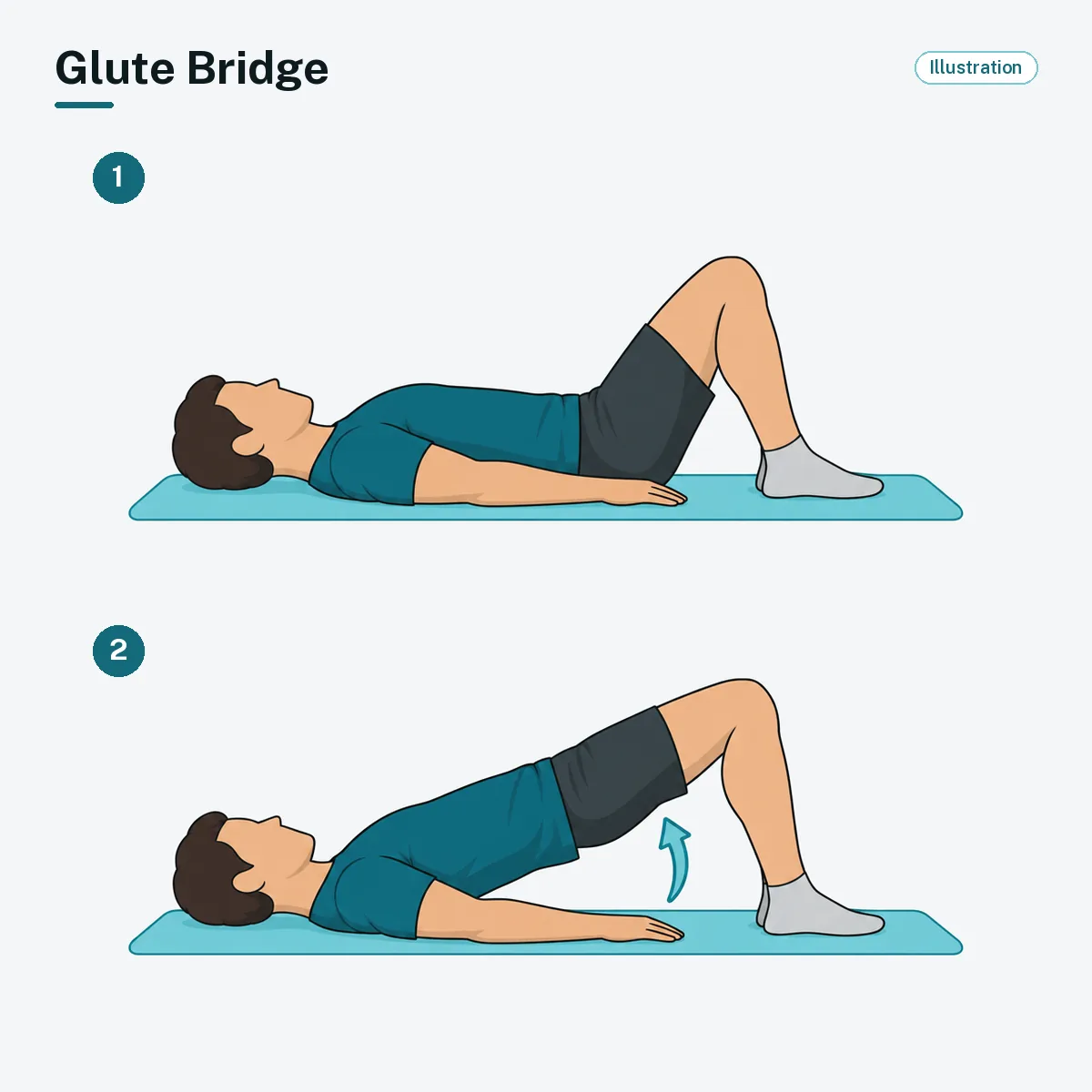 Glute bridge: Lie on your back with knees bent. Lift your hips. Hold 3 seconds. Repeat 10 times.
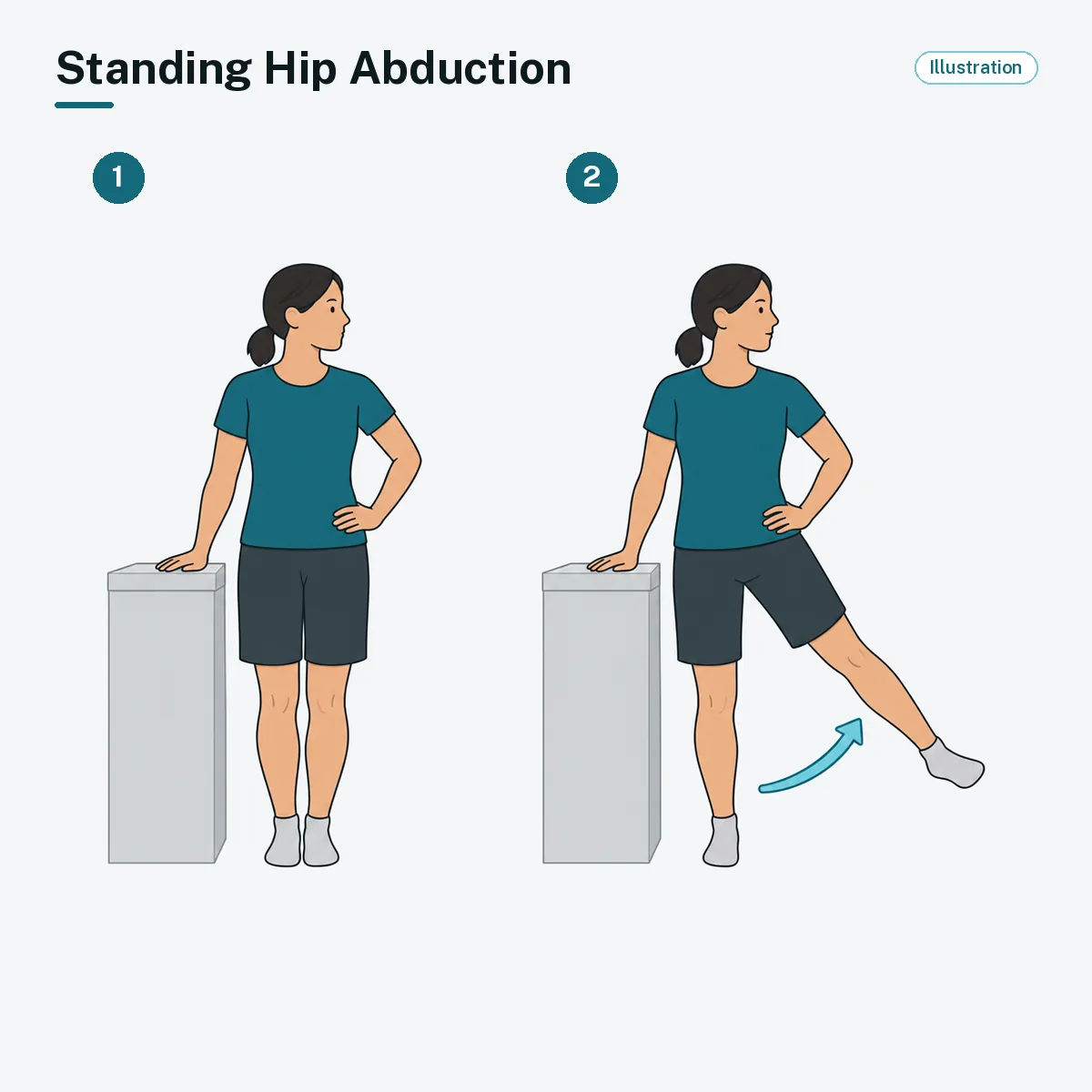 Standing hip abduction: Hold a counter and lift one leg out to the side. Repeat 10 times per side.
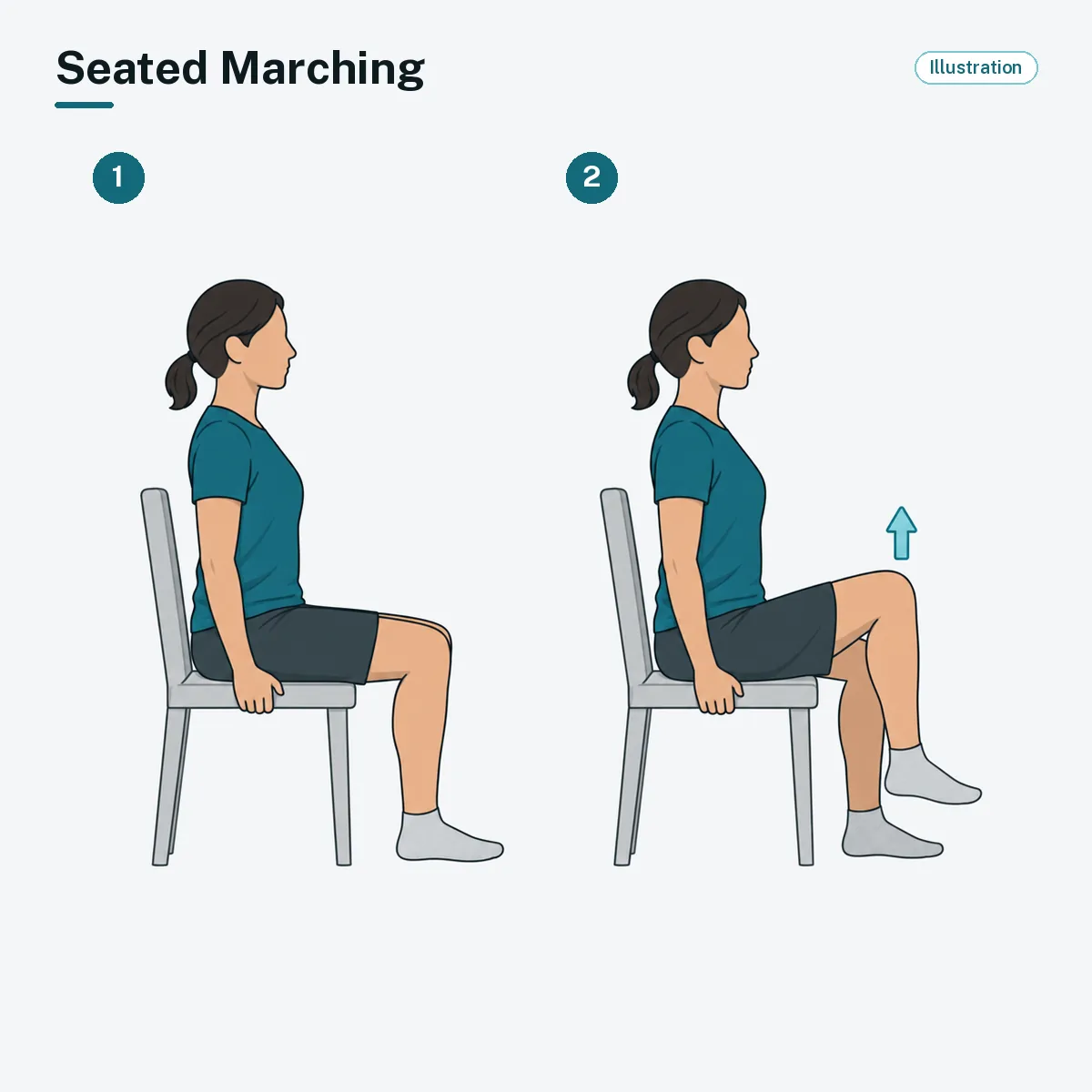 Seated marching: Sit tall and lift one knee at a time. Repeat 10 times per side.
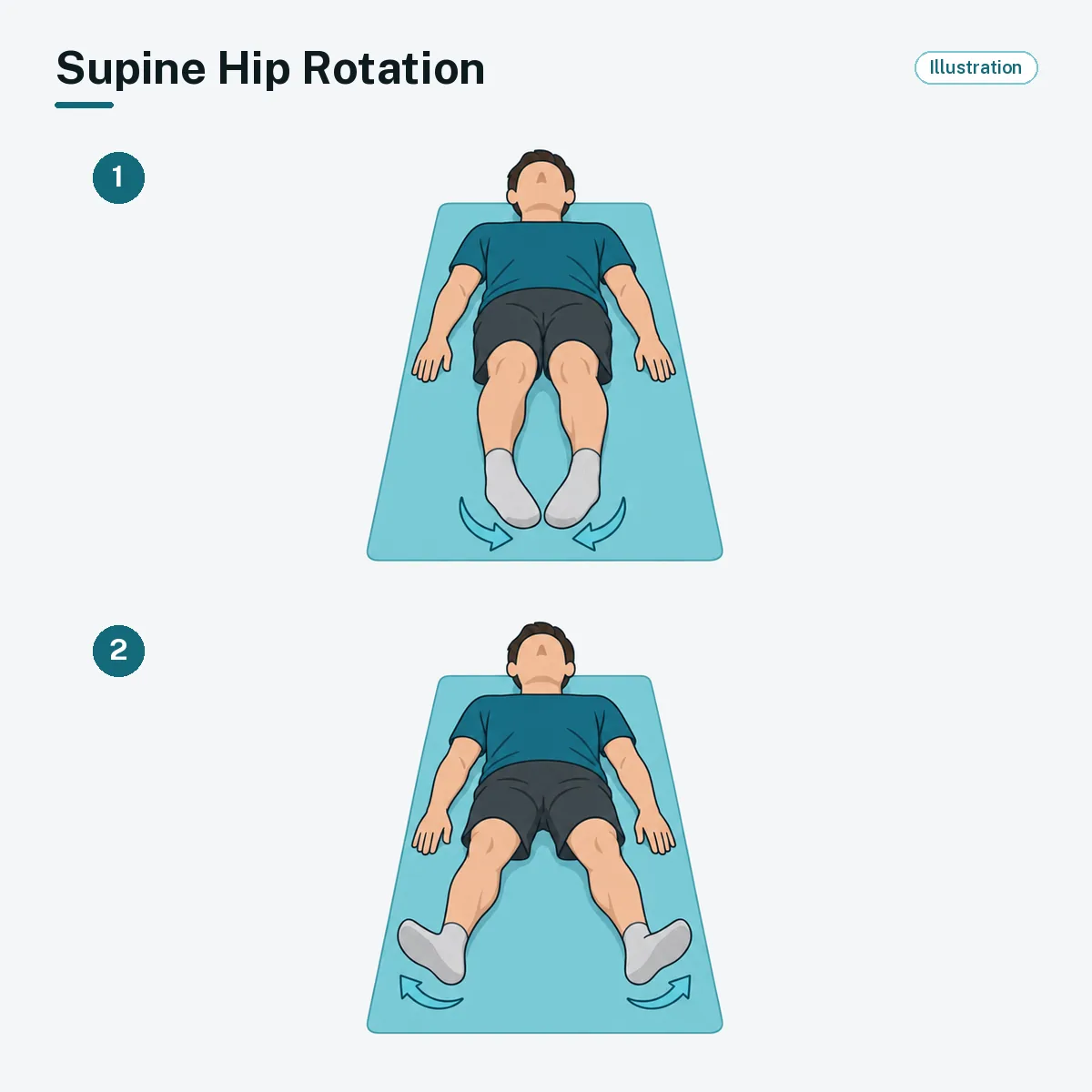 Supine hip rotation: Lie on your back with legs straight. Roll your legs in and out. Repeat 15 times.
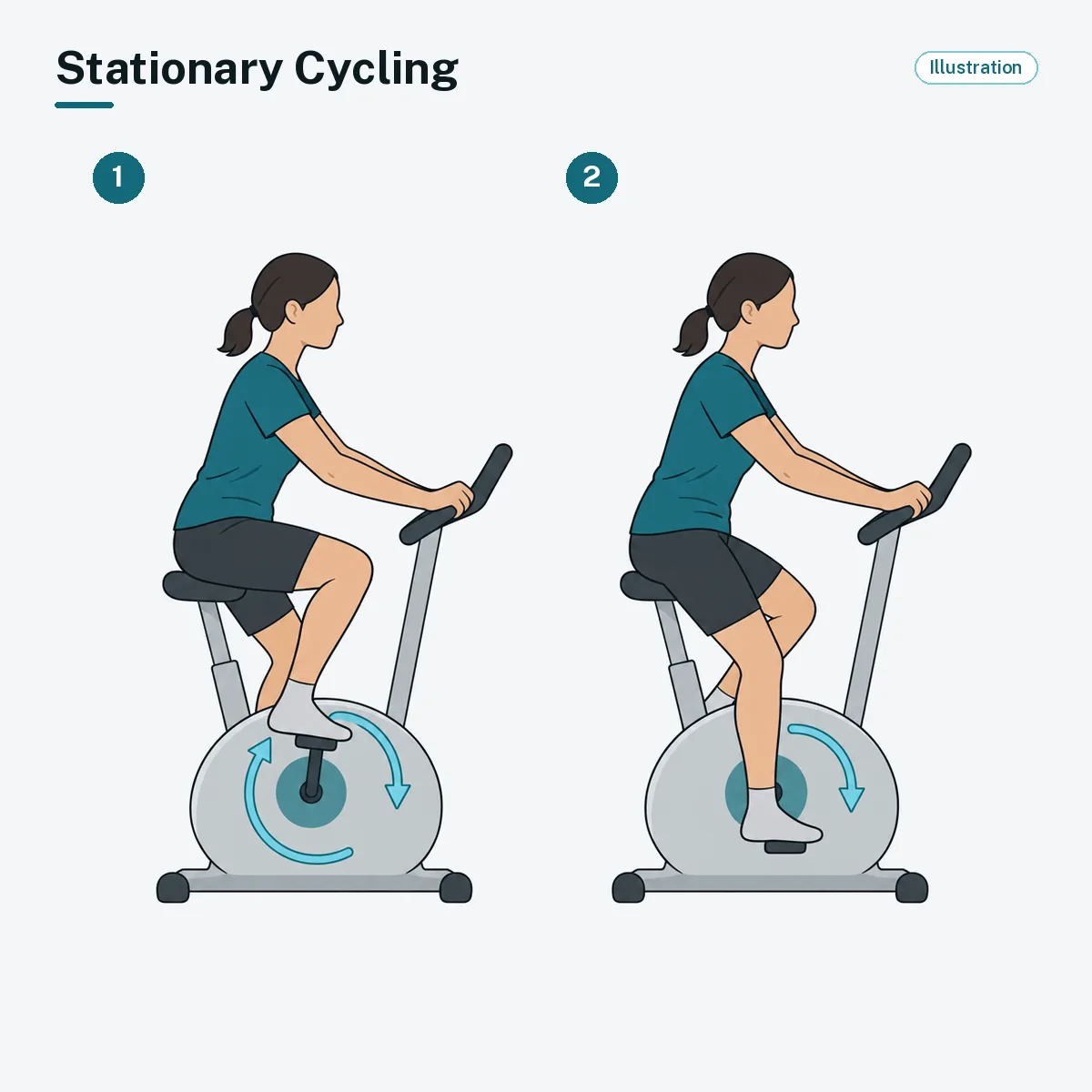 Stationary cycling or water exercise: 10–20 minutes of low-impact activity.
Frequently asked questions
When should I see a doctor for hip arthritis?
It may help to see a physician when hip pain in the groin, front of the thigh, or buttock, morning stiffness, limping, or a shorter walking distance affects your day. Trouble putting on shoes and socks, or loss of hip motion, are also common reasons people seek care. Your physician can ask about your pain, walking tolerance, and goals and help plan next steps.
Do I need an X-ray for hip arthritis?
Your physician may review or order X-rays as part of the evaluation. The exam often checks hip motion, strength, gait, and your low back, since the back can mimic hip pain. Ultrasound guidance allows precise hip injections in the office. Your physician can help decide which tests make sense for you.
Can hip arthritis be treated without surgery?
Many people with hip arthritis start with non-surgical care, which can help ease pain and keep you active. Options may include physical therapy, weight management and activity changes, medications, a cane in the opposite hand, and gentle low-impact exercise. Hip replacement is discussed when pain limits daily life despite other care. Your physician can help you weigh these options.
Can a hip injection help me do physical therapy?
When pain makes it hard to progress with physical therapy or home exercise, an image-guided injection may calm inflammation and reduce pain so you can take part more fully. Corticosteroid injections may provide relief and can help confirm the hip as the pain source. The goal is to support your exercise program, not replace it. Your physician can help decide whether an injection may be an option.
Sources
- Management of Osteoarthritis of the Hip: Evidence-Based Clinical Practice Guideline. American Academy of Orthopaedic Surgeons (AAOS), 2023.
Last updated: October 2026
