
Tailbone Pain (Coccydynia)
Tailbone pain, or coccydynia, is pain at the very bottom of the spine. It often makes sitting uncomfortable. Although it can be stubborn, non-surgical treatments are often helpful.
Reviewed by Samuel Rosenberg, DO, FAAPMR
- Tailbone pain, or coccydynia, is pain at the very bottom of the spine.
- Common symptoms: pain at the tailbone when sitting, especially leaning back; pain when moving from sitting to standing; tenderness when pressing on the tailbone; pain with bowel movements or intimacy.
- Treatment options: Cushions, posture changes, medications, pelvic floor physical therapy, image-guided injections, ganglion impar block, radiofrequency ablation.
- Although it can be stubborn, non-surgical treatments are often helpful.
Understanding tailbone pain
The coccyx is a small triangular bone at the base of the spine. It supports you when you sit and anchors several muscles and ligaments of the pelvic floor. Tailbone pain can follow a fall, childbirth, prolonged sitting on hard surfaces, or repetitive strain. Sometimes there is no clear cause. Tight pelvic floor muscles can add to the pain.
Common symptoms
- Pain at the tailbone when sitting, especially leaning back
- Pain when moving from sitting to standing
- Tenderness when pressing on the tailbone
- Pain with bowel movements or intimacy
- Aching in the low back or buttocks
Treatment options
- Cushions: A wedge or donut-shaped cushion can take pressure off the tailbone.
- Posture changes: Sitting upright or leaning slightly forward.
- Medications: Anti-inflammatories and topical treatments.
- Pelvic floor physical therapy: Aims to relax and retrain the muscles around the coccyx.
- Image-guided injections: Corticosteroid injections around the coccyx can calm inflammation.
- Ganglion impar block: A targeted nerve block that may help relieve persistent tailbone pain.
- Radiofrequency ablation: An option for long-lasting pain that responds to a nerve block.
Injections to support your therapy: When pain makes it hard to progress with physical therapy or home exercise, an image-guided injection may calm inflammation and reduce pain so you can participate more fully. The goal is to help your exercise program work better, not to replace it. Learn more about therapeutic injections.
What to expect at your visit
Your physician will ask how the pain began and which positions make it worse. The exam includes gentle pressure over the tailbone and evaluation of the low back, hips, and SI joints. We may order X-rays, including sitting and standing views, to look at how the coccyx moves. We then discuss treatment options that fit your needs.
Home exercises
These focus on relaxing the muscles around the tailbone. Stop if pain increases.
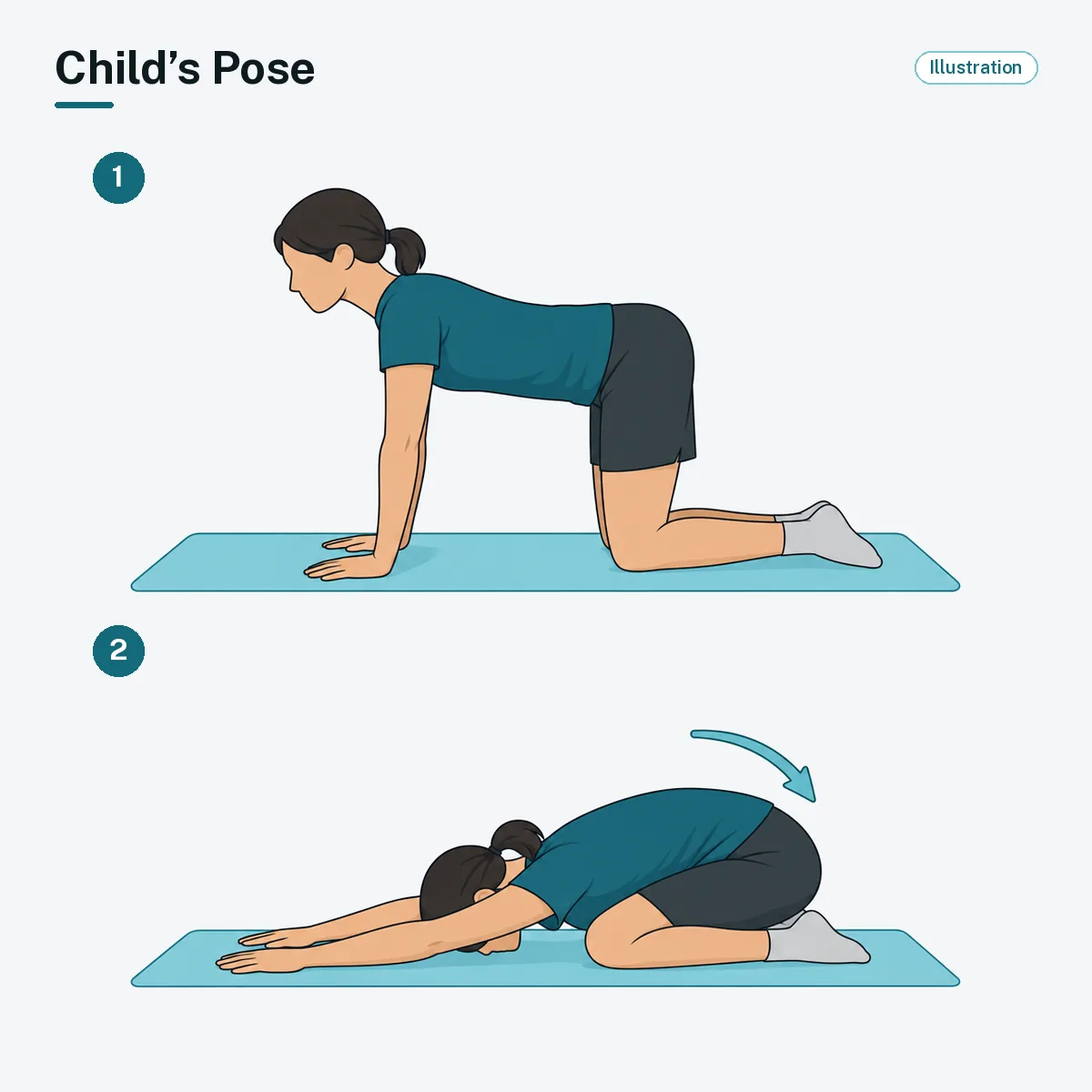 Child’s pose: Sit back toward your heels with arms reaching forward. Hold 30 seconds, breathing slowly. Repeat 3 times.
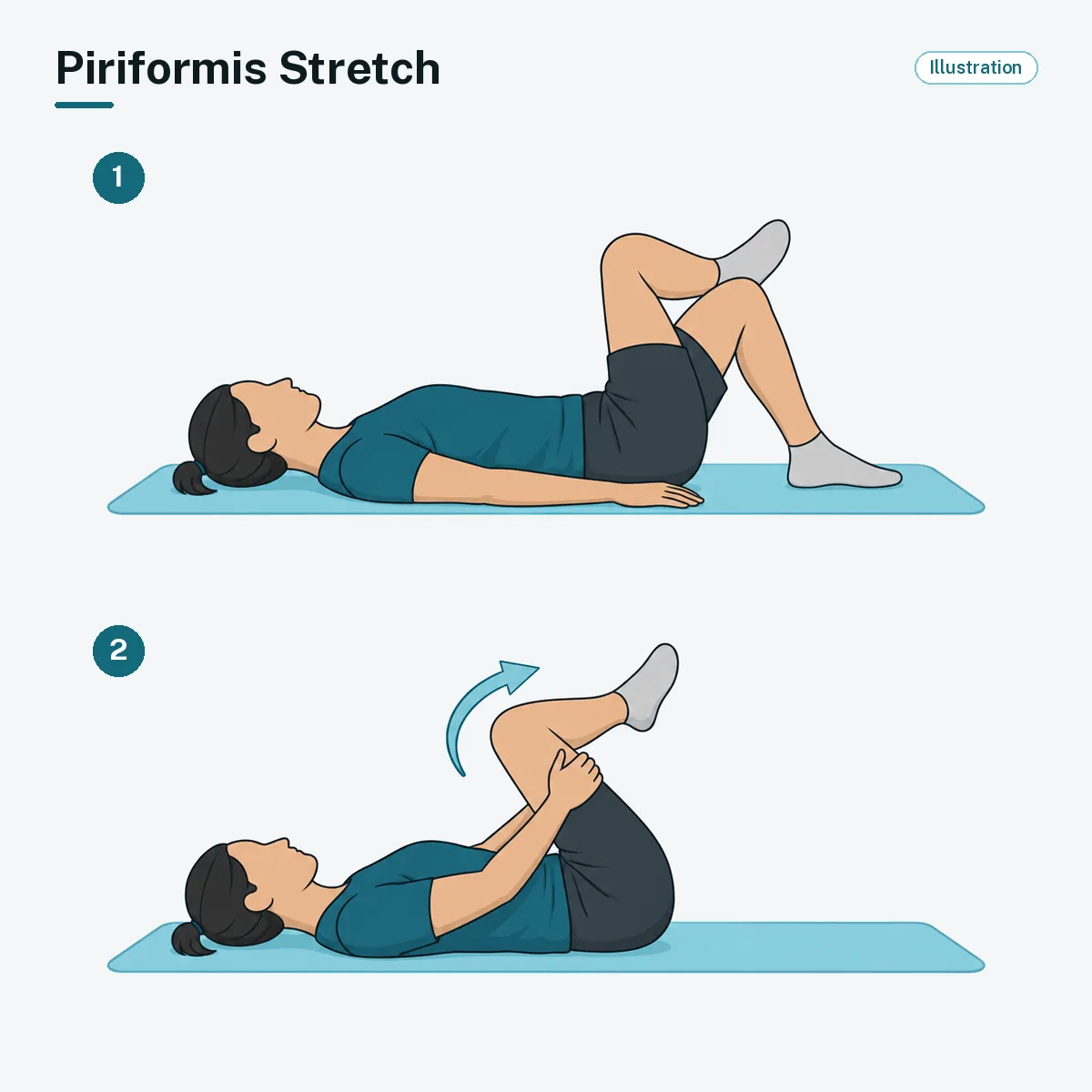 Piriformis stretch: Lie on your back, cross one ankle over the opposite knee, and pull the thigh toward you. Hold 30 seconds. Repeat 3 times per side.
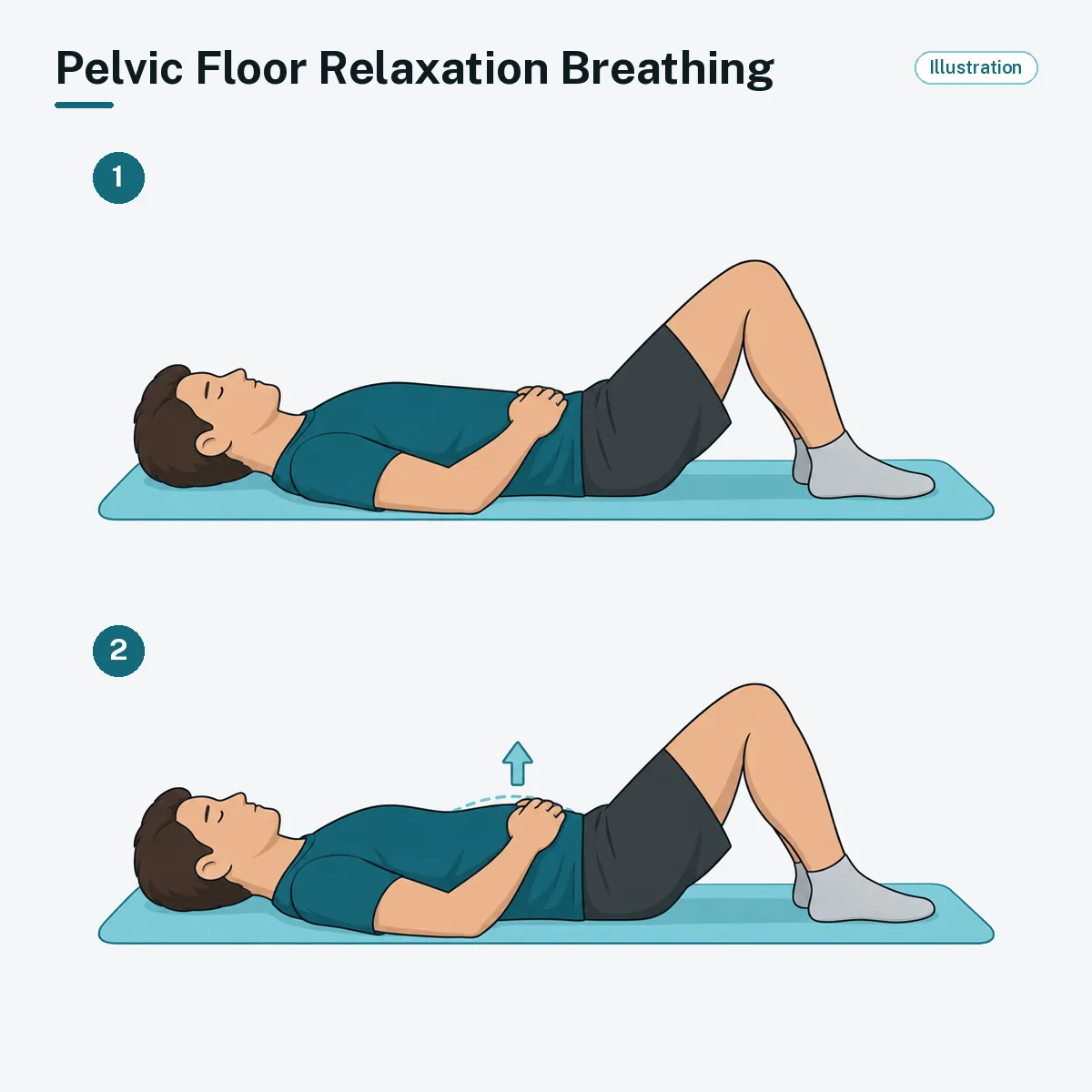 Pelvic floor relaxation breathing: Lie on your back with knees bent. Breathe into your belly and let your pelvic floor relax. 5 minutes.
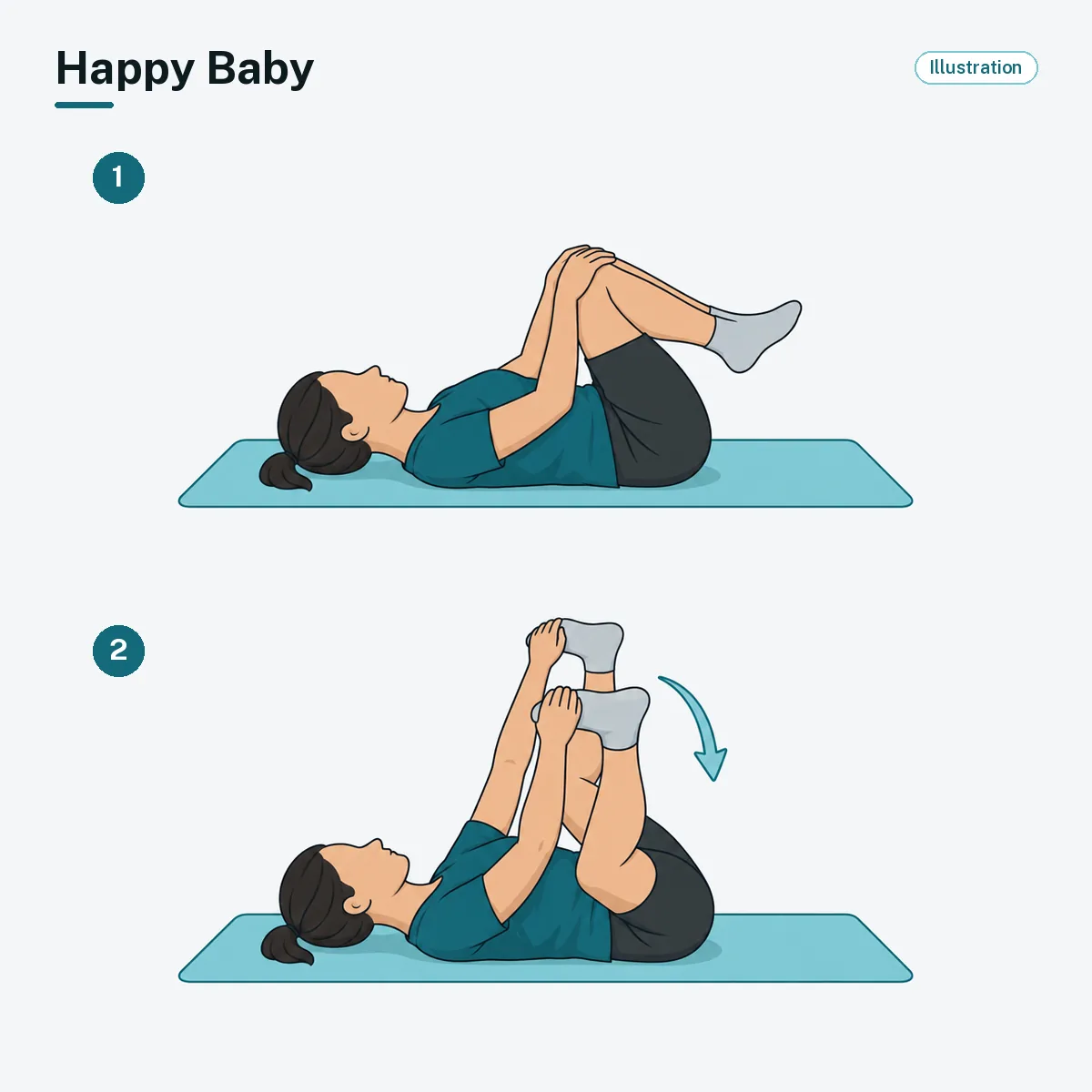 Happy baby: Lie on your back and hold your feet with knees bent toward your armpits. Hold 30 seconds.
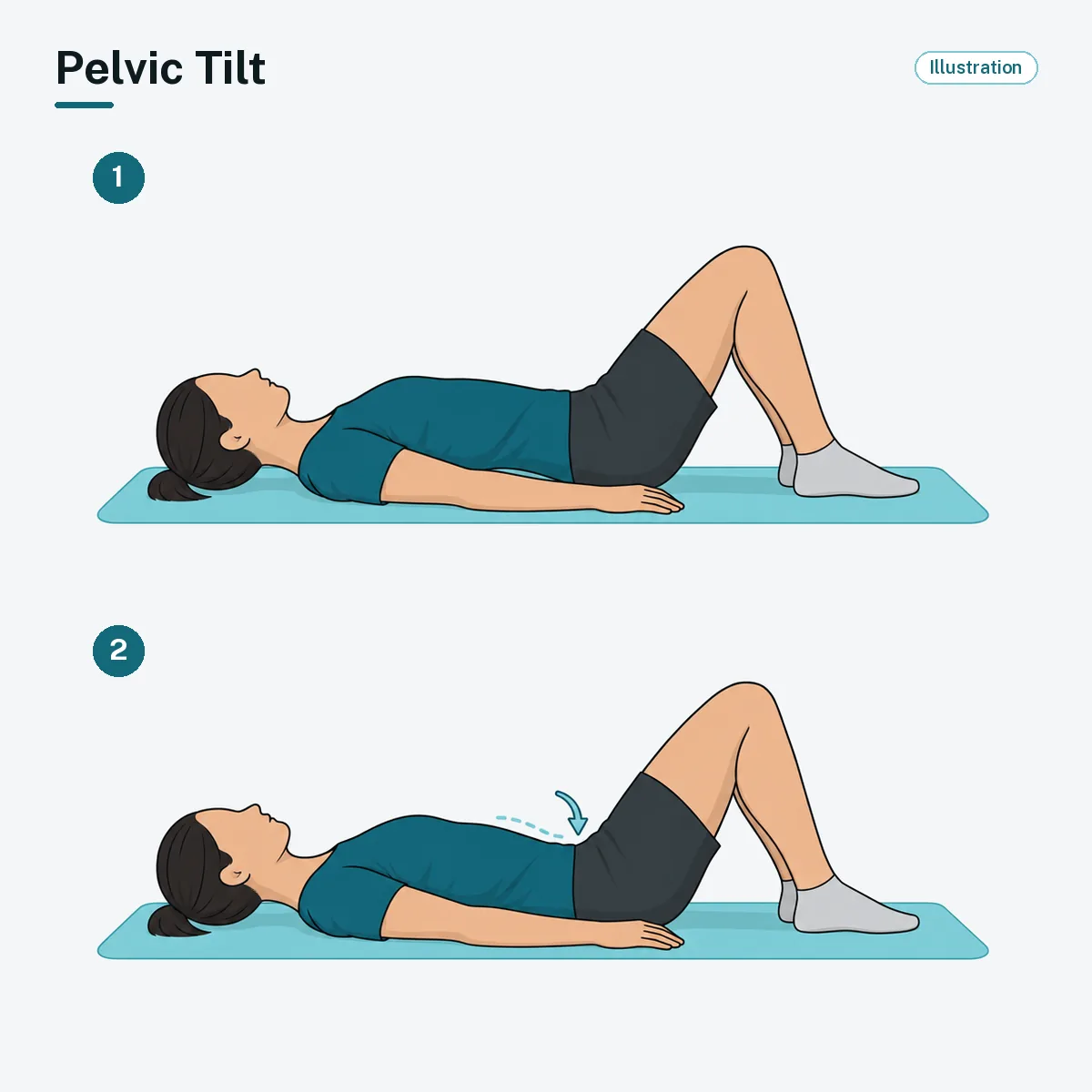 Pelvic tilt: Lie on your back and gently rock your pelvis. Repeat 10 times.
Frequently asked questions
Do I need an X-ray for tailbone pain?
Your physician may order X-rays, including sitting and standing views, to look at how the coccyx moves. The visit often includes questions about how the pain began and which positions make it worse, along with gentle pressure over the tailbone and evaluation of the low back, hips, and SI joints. Your physician can discuss whether imaging fits your situation.
What can I do for tailbone pain without surgery?
Although tailbone pain can be stubborn, non-surgical treatments are often helpful. Options can include a wedge or donut-shaped cushion, posture changes such as sitting upright or leaning slightly forward, anti-inflammatory and topical medications, and pelvic floor physical therapy. Image-guided injections, a ganglion impar block, and radiofrequency ablation may also be options to discuss with your physician.
Can injections help me do physical therapy for tailbone pain?
They may. When pain makes it hard to progress with physical therapy or home exercise, an image-guided injection may calm inflammation and reduce pain so you can take part more fully. Corticosteroid injections around the coccyx are one option, and the goal is to help your exercise program work better, not to replace it. Your physician can help decide what fits your needs.
What exercises help tailbone pain at home?
Home exercises for tailbone pain focus on relaxing the muscles around the tailbone. These can include child's pose, a piriformis stretch, pelvic floor relaxation breathing, happy baby, and gentle pelvic tilts. Stop if pain increases, and your physician can help you decide which activities fit your needs.
Sources
- Low back pain and sciatica in over 16s: assessment and management (NG59). National Institute for Health and Care Excellence (NICE), 2016, updated 2020.
- Diagnosis and treatment of low back pain: a joint clinical practice guideline from the American College of Physicians and the American Pain Society. Annals of Internal Medicine, 2007.
Last updated: October 2026
